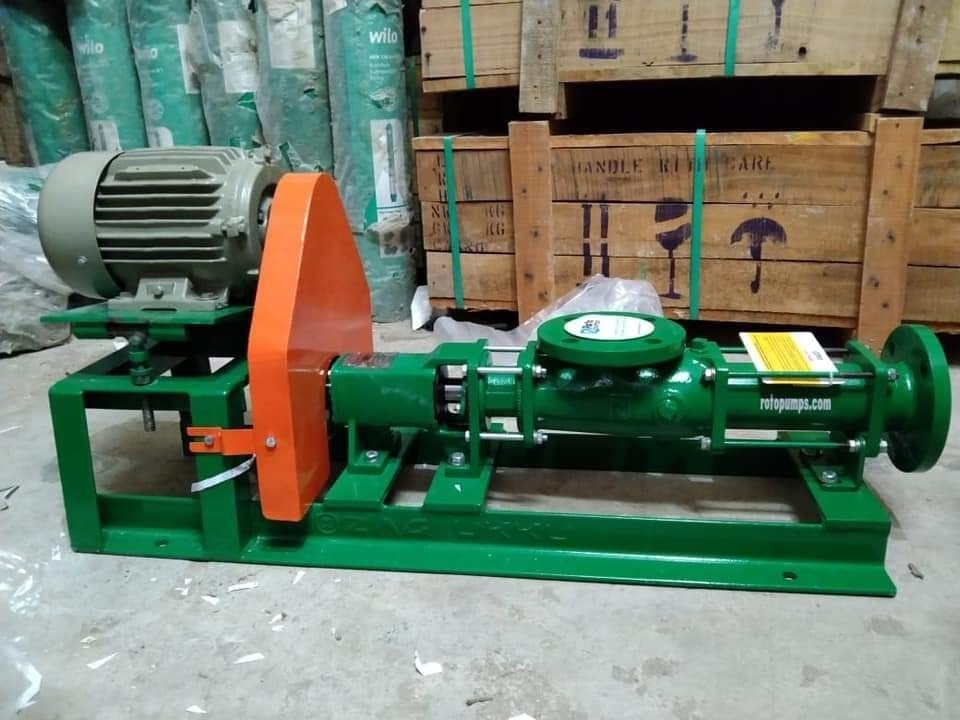
Roto Pumps FY26: The Margin Mystery in a Slowing Base
General information and entertainment, not investment advice. The author is not a SEBI-registered adviser or research analyst. No recommendation, no promised returns. Markets carry risk including loss of capital. Figures may not be current. Consult a registered adviser before acting.
1 — At a Glance
Revenue slipped 4.5% year-on-year to ₹285 crore, the first full-year decline in five years. Net profit fell 26% to ₹25 crore. The operating margin held its ground at 18%, a rare steady hand in a sinking ship. The multiple—47x earnings—sits well above the peer median of 41x, despite a profit that has halved since the peak.
Capex has spiked to ₹79 crore annualised, a jump from ₹60 crore in FY25, as management chases solar pumps and downhole equipment. The order book grew 350% year-on-year to ₹7.25 crore in September (one order) but remains a whisper in a ₹285 crore sales base. Inventory ballooned 27% to ₹71 crore.
How does a company raise capex while margins compress and sales stumble?
2 — Introduction
Roto Pumps has been the pioneer in progressive cavity pumps for India since 1968. The company exports to 55+ countries, ships niche equipment to wastewater, sugar, oil & gas, and marine verticals. In May 2024, it issued a 2:1 bonus and announced a ₹100 million revenue target by 2028—a claim that suggests a doubling of scale from here.
The last two years have been about expansion, not consolidation. Solar pumping systems, downhole pumps, and mud motors are under commercial production. Roto Energy Systems, a subsidiary launched in FY24, is the laboratory. Three plants in India, eight offices globally. Promoters own 67%, unchanged.
A ₹2.5 crore embezzlement at the South African subsidiary (May 2025) and ₹6 crore at the UK office (August 2025) surfaced—forensic probes underway, no material impact disclosed yet on consolidated results.
3 — Business Model: WTF Do They Even Do?
Progressive cavity pumps are to oil & gas and wastewater what an engineering niche tool is to a craftsman: specialized, hard to commoditize, high-touch. Roto makes these with twin-screw and single-screw variants, all custom-built. Fluid viscosity is the enemy; their pumps laugh at it. Margins have historically been fat because they are not a price-taker.
The export base (70% of consolidated revenue) is a blessing and a curse. Global order cycles are long; pricing mechanisms vary by region. The company supplies equipment that stays embedded in customer plants for years, yielding sticky repeat business and spares revenue.
The new business legs—solar pumps via Roto Energy Systems and downhole pumps—are tiny. Solar pump orders (400 units from Roto Rudra, announced Dec 2024) represent a first-mover play in renewable-powered agriculture, a sector that may boom or sputter depending on state subsidy whims. Downhole mud motor technology, launched June 2024, targets oilfield services—a sector that does not care about your margins if your delivery slips.
4 — Financials Overview
Figures are consolidated, in ₹ crore.
Metric
FY26
FY25
YoY Change
FY24
Revenue
285
298
-4.5%
276
EBITDA
52
64
-19%
66
Net Profit
25
34
-26%
39
EPS (₹)
1.31
1.77
-26%
2.08
Revenue fell to ₹285 crore from ₹298 crore, reversing five years of growth. Consolidated operating profit (EBITDA less interest, depreciation) dropped to ₹52 crore, a 19% plunge. Tax rate climbed to 33% from 24%, dragging net profit to ₹25 crore. The company annualised Q4 EPS at ₹1.31 (after a 2:1 bonus in July 2025).
Management blamed supply delays on new segments. Capex of ₹79 crore in FY26 (standalone basis) was pinned to manufacturing capacity for solar and downhole. The Q4 result was particularly weak—Q4 sales ₹81 crore with EPS of ₹0.30, a 55% quarterly profit decline YoY.
5 — Valuation Discussion: Fair Value Range (Educational Only)
What follows is a walkthrough of how three valuation methods work, using this company’s numbers as the example — not a target, not a forecast, not advice.
Method 2 (EV/EBITDA): EBITDA ₹52 crore, less net cash ₹0.5 crore = net debt ₹0.5 crore, yielding EV ₹1,182 crore. EV/EBITDA peer band 21x–30x outputs ₹1,092–1,560 crore enterprise value, or