Mishka Exim Ltd Q3 FY26: ₹7.93 Cr Quarterly Revenue, 6,200% Profit Jump & a P/E That Thinks It’s Titan
1. At a Glance – Blink and You’ll Miss the Plot
Mishka Exim Ltd is that small-cap stock which quietly sits in the corner of the jewellery party, suddenly clears its throat, and everyone turns around because the last quarter numbers scream “Who are you and where were you hiding?”. With a market capitalisation of about ₹60.8 crore and a current price hovering near ₹42, this company has just reported quarterly sales of ₹7.93 crore and a PAT of ₹0.63 crore for the December 2025 quarter. That translates into a profit growth number so absurd (6,200% YoY) that Excel itself probably asked for a break. Yet, despite the fireworks, returns over the past few years remain sleepy, ROE is barely above 1.8%, and the stock trades at a P/E of 42.6—luxury multiple, roadside dhaba fundamentals. Debt is almost non-existent, promoters hold nearly 59.2%, and the balance sheet looks clean enough to pass a surprise audit. The big question: is this a genuine turnaround story or just a one-quarter Bollywood cameo? Curious already? Good. You should be.
2. Introduction – From Obscurity to Sudden Spotlight
Mishka Exim Ltd was incorporated in 2014, and for most of its listed life, it behaved like that background character in a daily soap—present, but nobody noticed. The company operates in trading of jewellery, fabrics, and shares. Yes, all three. No, don’t ask why. Indian small-caps often believe diversification is a personality trait.
For years, revenues were inconsistent, margins were moody, and returns on equity barely registered on a calculator. Then came FY25 and suddenly TTM sales jumped to ₹20.32 crore with PAT of ₹1.43 crore. The December 2025 quarter alone contributed ₹7.93 crore in revenue and ₹0.63 crore in profit. That’s not incremental growth; that’s a growth montage with dramatic background music.
But before you start imagining Mishka Exim sitting next to Titan and Kalyan Jewellers at a family wedding, pause. This is still a micro-cap trader with wafer-thin historical profitability, volatile sales, and a business model that depends heavily on trading cycles. The recent spike has brought attention, speculation, and valuation stretch in equal measure.
So what exactly does Mishka do, and why should anyone care? Let’s open the ledger.
3. Business Model – WTF Do They Even Do?
Explaining Mishka Exim’s business is like explaining a Delhi wholesaler’s office: “Yahan thoda jewellery, thoda kapda, thoda market ka kaam.”
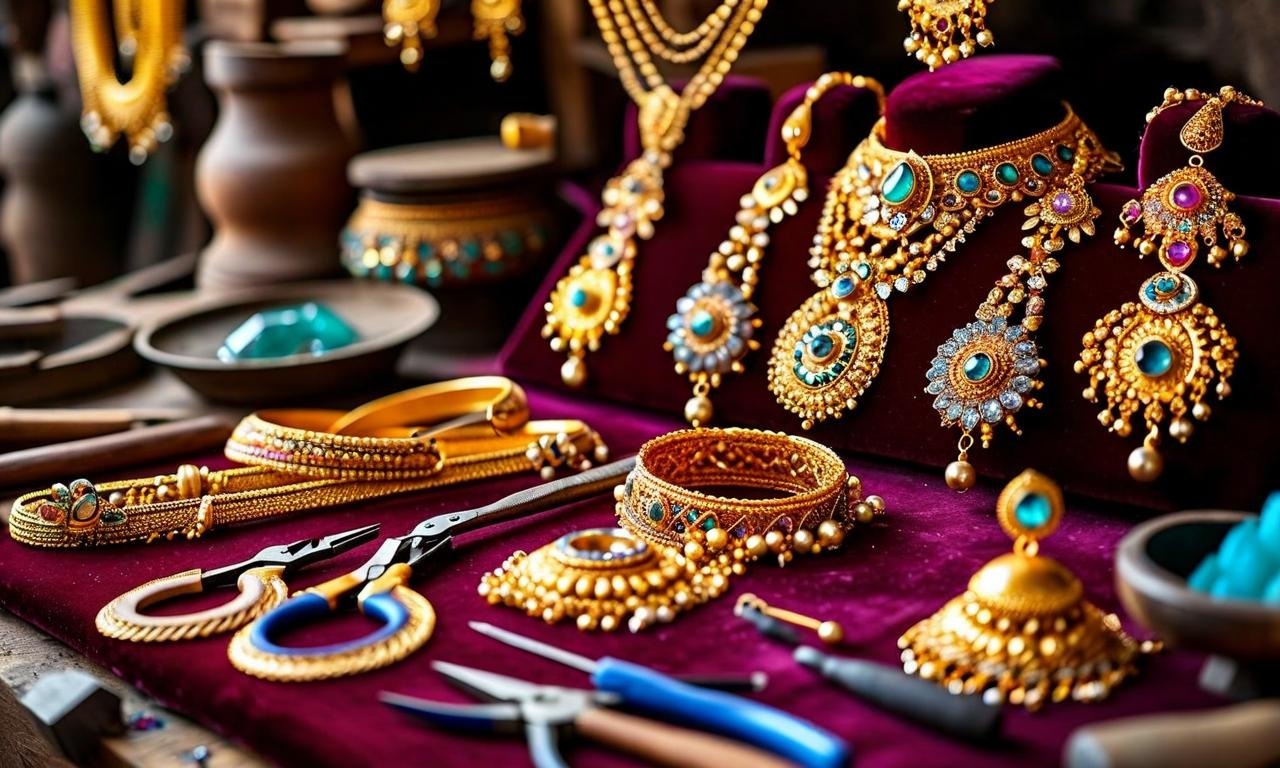
First, jewellery. The company trades gold and diamond jewellery on a wholesale basis, supplying to other jewellery retailers across India. Designs range from traditional to contemporary, but this is not a brand-led retail story. No fancy showrooms, no celebrity ambassadors—just bulk trading.
Second, fabrics. Mishka trades in silk, polyester, sarees, lace, netting, cotton, suiting, shirting, linen, jute, and more. It primarily caters to retailers in Delhi and NCR, focusing on mid-range unstitched fabrics. Think pragmatic commerce, not fashion weeks.
Third, shares. Through its subsidiary Mishka Capital Advisors Ltd and associate Cross River Securities Ltd, the company trades in the capital markets. Because obviously, when you sell jewellery and fabric, the natural extension is equity trading.
Revenue-wise, jewellery dominates. In FY22, about 97% of revenue came from sale of ornaments, with shares contributing the rest. Fabric trading exists but does not yet scream “growth engine.”
The future outlook mentions plans to establish showrooms and supply high-grade fabrics to HNIs. For now, this remains a plan, not a balance sheet reality. Question for you: how many small traders successfully jump from wholesale trading to branded retail without burning cash?
4. Financials Overview – The Quarter That Changed the Mood
Result Type Locked: Quarterly Results (Q3 FY26) EPS Annualisation Rule Applied: Annualised EPS = Latest Quarterly EPS × 4
Yes, the YoY numbers look ridiculous because the base was microscopic. But QoQ growth is also strong, and EBITDA margins have improved meaningfully. That’s the real signal.
Still, one swallow does not make a summer. Ask yourself: can this level of profitability sustain without constant inventory churn and working capital stress?
5. Valuation Discussion – Fair Value Range Only
Let’s talk valuation, slowly and without emotional background music.
P/E Method
Annualised EPS: ₹1.76 Industry P/E (median peers): ~24
Fair P/E range assumed: 18–25
Fair Value Range (P/E): ₹1.76 × 18 = ₹31.7 ₹1.76 × 25 = ₹44.0
EV/EBITDA Method
TTM EBITDA: ~₹1.68 crore EV: ~₹61.9 crore
Current EV/EBITDA: ~36x Reasonable range for such a business: 12x–18x
Implied EV range: ₹20–30 crore Which is below current valuation, indicating optimism already priced in.
DCF (Simplified)
Assuming:
Moderate growth
Low reinvestment
Trading-like margins
DCF does not justify current pricing unless growth sustains for multiple years.
Fair Value Range (Educational): ₹30–45
This fair value range is for educational purposes only and is