Tokyo Plast International Ltd Q3 FY26 – ₹17.14 Cr Revenue, Loss-Making Quarter, 93x P/E & Promoters Still Buying: Thermoware or Thermal Shock?
1. At a Glance – The Plastic Dabba With an Identity Crisis
Tokyo Plast International Ltd, currently hovering around a market cap of ₹99.8 crore with a stock price of ₹105, is that classic Indian smallcap which looks harmless like a lunchbox but hits you with a surprise when you open the lid. Over the last 3 months, the stock is down ~17%, over 6 months down ~18%, and over 1 year down ~10%, yet promoters have quietly increased their holding to 68.18%, up 1.2% QoQ. That’s either confidence… or stubbornness.
The company trades at a jaw-dropping P/E of ~93x, despite delivering a TTM PAT of just ₹1.07 crore on ₹73.6 crore of sales. The latest Q3 FY26 (Dec 2025) quarter delivered ₹17.14 crore revenue, down 10% YoY, and a net loss of ₹0.13 crore, making it a quarter where even the lunchbox came back empty. ROCE stands at a sleepy 4.53%, ROE at 2.12%, and debt at ₹36.56 crore is not exactly decorative plastic.
So yes, this is not a growth rocket. This is a thermoware company trying to keep profits warm in a very cold market. Curious yet? You should be.
2. Introduction – When Export Awards Meet Weak Returns
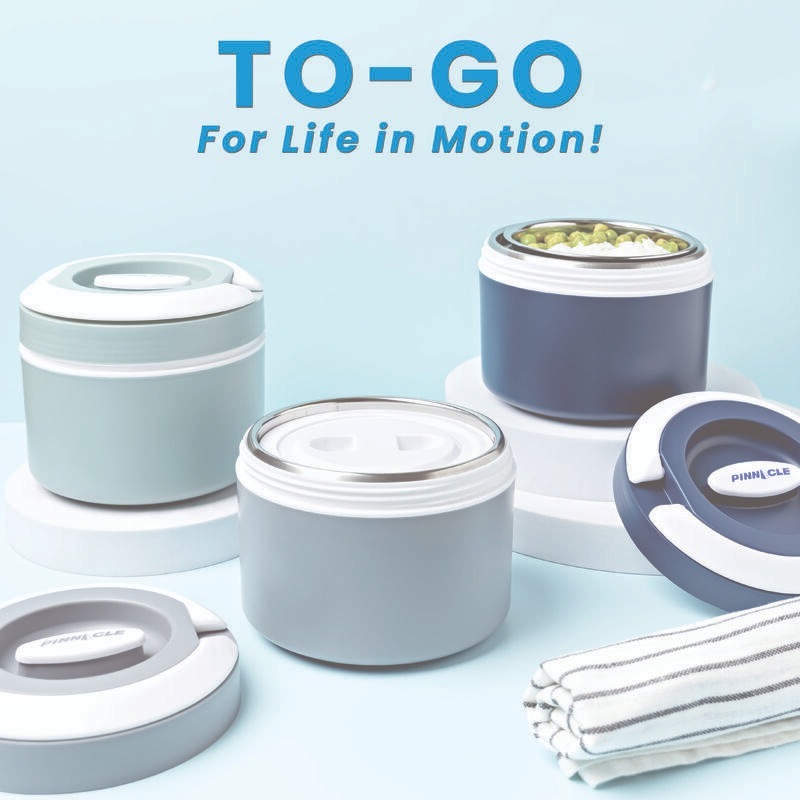
Tokyo Plast has been around since 1992, which means this company has survived liberalisation, globalisation, demonetisation, GST, COVID, and probably several internal family WhatsApp groups. It manufactures thermo food containers, casseroles, lunch kits, cooler boxes, and other items that live permanently in Indian kitchens but never in investor conversations.
On paper, it looks impressive. A Star Export House, exporting to 75+ countries, winner of the Top Exporters Award in Thermoware for 8 consecutive years, and a brand called “Pinnacle” registered and patented in 50+ countries, including the US. That’s not small talk. That’s passport-level credibility.
But then you look at the numbers and reality slaps harder than a steel tiffin falling from a train berth. Sales growth over 5 years is just ~3.6%, 3-year sales growth is negative, margins are thin, and profitability is inconsistent. The company oscillates between small profits and small losses like it’s unable to decide whether it wants to be a business or a hobby.
So the big question: is Tokyo Plast a boring but stable exporter unfairly ignored by markets, or a legacy thermoware company stuck in a low-margin plastic loop? Let’s open the lid properly.
3. Business Model – WTF Do They Even Do?
Tokyo Plast makes things that keep food hot or cold. That’s it. No AI. No SaaS. No blockchain-enabled lunchbox NFT. Just honest-to-God thermoware.
Their product portfolio is wide: insulated food containers, casseroles, lunch kits, microwave-safe sets, cooler boxes, water jugs, picnic containers, and stainless steel gift sets. Basically, if your mother packs food in it, Tokyo Plast probably makes something similar.
They operate two manufacturing plants:
Kandla (Gujarat) – focused on insulated water jugs, cooler boxes, ice chests
Daman – focused on insulated casseroles and food warmers
The company is heavily export-oriented, with ~70% revenue coming from outside India (FY22 geography: India ~30%, rest split across Benin, Australia, Europe, Americas, and “other countries”). This makes Tokyo Plast sensitive to freight costs, forex, global demand cycles, and plastic raw material prices.
Revenue-wise, ~95% comes from finished goods, with only ~5% traded goods. So this is a proper manufacturing business, not a trader in disguise.
The problem? Thermoware is a commodity-like business. There’s limited pricing power, heavy competition (both organised and unorganised), and customers don’t care about brand loyalty as much as investors wish they did. When inflation rises or demand slows, margins get crushed faster than a cheap plastic lid.
4. Financials Overview – The Quarter That Spoiled the Picnic
Result Type Locked: Quarterly Results (Q3 FY26) Annualised EPS = Latest EPS × 4
Quarterly Performance Table (₹ crore)
Metric
Latest Q3 FY26
Q3 FY25 (YoY)
Q2 FY26 (QoQ)
YoY %
QoQ %
Revenue
17.14
19.05
21.09
-10.0%
-18.7%
EBITDA
1.54
1.23
2.17
+25.2%
-29.0%
PAT
-0.13
0.08
0.64
-262%
-120%
EPS (₹)
-0.14
0.08
0.67
NA
NA
Annualised EPS (Quarterly): -0.14 × 4 = -0.56
Yes, negative annualised EPS. And yes, the stock still trades at ~93x trailing earnings because markets love nostalgia more than math sometimes.
Commentary time: Revenue dipped, margins didn’t collapse completely, but interest costs jumped and profitability vanished. One bad quarter doesn’t kill a company, but repeated volatility kills investor confidence. Would you trust a lunchbox that keeps food hot only on alternate days?