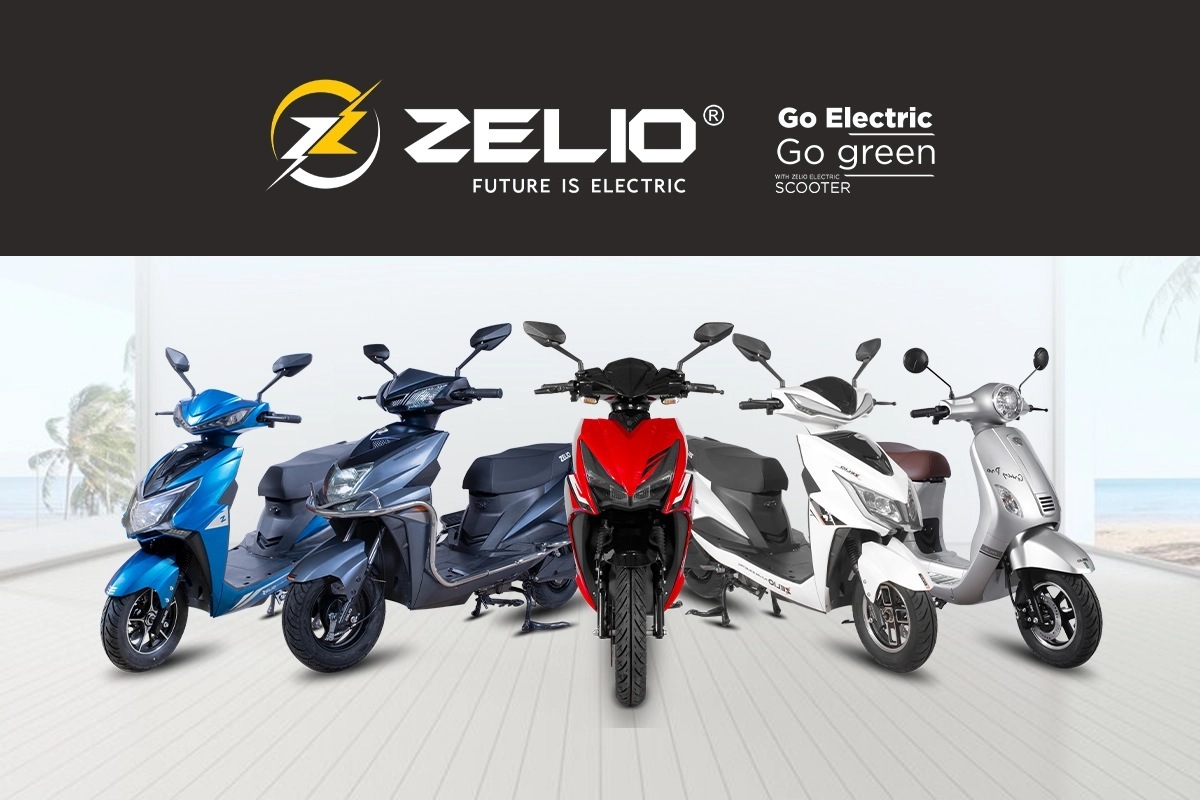
1. At a Glance
Zelio E-Mobility Ltd is rolling into the SME IPO pit stop with a ₹78.34 crore issue — part fresh issue, part promoter offloading (because why not cash out when the market is in EV frenzy?). At the upper price band of ₹136 per share, the company demands a market cap of ₹287.6 crore, which is more than the combined sales of 10 Hero Splendor showrooms in Hisar. Pre-issue, promoters hold 100%, post-issue it drops to 75.77%. Retail investors need to cough up a hefty ₹2.72 lakh minimum for a 2-lot entry ticket. The pitch? Electric scooters and e-rickshaws branded with names like XMen and Mystery. The reality? PAT margins at 6.7% and borrowings of ₹22 crore. Still, the company flaunts an ROE of 84% and RoNW of 59%, the kind of numbers that can make even Ola Electric’s bankers spit out their cappuccino.
2. Introduction
Electric Vehicles in India are the new software start-ups of the 2000s. Everyone wants a slice of the pie, from Ambanis to uncles in Hisar who’ve suddenly discovered lithium-ion. Enter Zelio E-Mobility, incorporated in 2021 — which in EV years is like saying “I just graduated kindergarten but want to compete in the Olympics.”
Their product portfolio sounds like a Marvel franchise (Legender, Mystery, XMen), but the financials look more like Gangs of Wasseypur — chaotic, debt-ridden, but still profitable somehow. Sales jumped from ₹13 crore in FY22 to ₹95 crore in FY24, before moderating to ₹76 crore in H1FY25. That’s impressive growth, but profitability margins are thinner than your local EV battery warranty card.
The issue is being sold on dreams of a new plant, debt repayment, and working capital. Translation: “Give us your money so we can build a bigger factory and hopefully not burn it all on inventory.”
Question to you: Would you rather back a flashy EV IPO or just buy shares of the battery supplier quietly minting cash behind the scenes?
3. Business Model – WTF Do They Even Do?
Zelio E-Mobility makes electric two-wheelers and three-wheelers, targeted at the middle India segment. Not the Tesla crowd, but the “daily 20 km office commute + family trip to sabzi mandi” crowd.
- Brands: “Zelio” for e-scooters and “Tanga” for e-rickshaws.
- Products: Models named EEVA, GRACY, Legender, Mystery, XMen. Not sure if customers buy them for specs or just to brag “main XMen chalata hoon.”
- Capacity: Haryana plant with 72,000 units per year capacity. For context, Ola Electric alone claims 1 million+ capacity. Zelio is