1. At a Glance – The Curious Case of a “Fast Growing, Slow Paying” Business
Ladies and gentlemen, welcome to one of those classic Indian smallcap stories where everything looks great… until you follow the cash.
Captain Polyplast is doing what every investor loves to see on paper —
Revenue up 40%, profit up 41%, solar business booming, government schemes flowing like free chai at a political rally.
But then…
Debtor days: 237.
Yes. Two hundred and thirty-seven days.
Meaning the company sells today… and gets paid sometime between your next IPL season and your cousin’s wedding.
Now add to that:
- Heavy dependency on government subsidy schemes
- Working capital stretched like Indian middle-class budgets in December
- Promoter pledge sitting quietly at ~14.5%
And suddenly, this “growth story” starts feeling like a Netflix thriller.
But wait — plot twist.
Management is aggressively pivoting to solar EPC, aiming for a 50:50 mix with irrigation in 3 years
So now the question is:
Is this a smart transition to a higher growth segment
or
just a new way to depend on government tenders?
Let’s investigate like a slightly suspicious auditor with trust issues.
2. Introduction – From Pipes to Power (Literally)
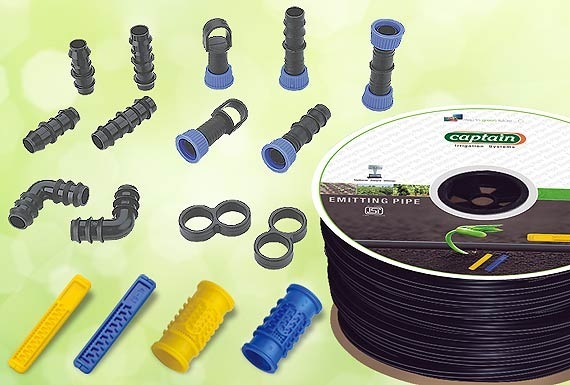
Captain Polyplast started as a humble irrigation company.
Basically:
- Farmers need water
- Company gives pipes
- Government gives subsidy
- Everyone smiles… except the balance sheet
Over time, the company realized something important:
“Why just supply pipes when we can also supply electricity to pump that water?”
Enter:
- Solar pumps
- EPC contracts
- Government tenders
- And a whole new level of complexity
Now the company is:
- A micro-irrigation player
- A solar EPC contractor
- A polymer reseller via IOCL partnership
Translation:
They are doing three businesses, all linked by one thing —
dependency on external