Womancart Ltd Q2 FY26: From Lipstick to Ledger Sheets — The Beauty Startup That’s Selling Everything Except Boredom
1. At a Glance
If Nykaa is the “beauty queen” of Indian e-commerce, Womancart Ltd is her equally ambitious younger cousin who sells makeup, jewellery, lingerie, crockery, and maybe your next confidence boost — all from one tab.
Listed on NSE-SME, this digital-first retailer now flaunts a ₹173 crore market cap, a P/E ratio of 19.2x, and an ROE of 17.3%. The latest Q2 FY26 results show revenue jumping a glamorous 127% YoY to ₹49.8 crore, while PAT sparkled 69% higher to ₹4.5 crore.
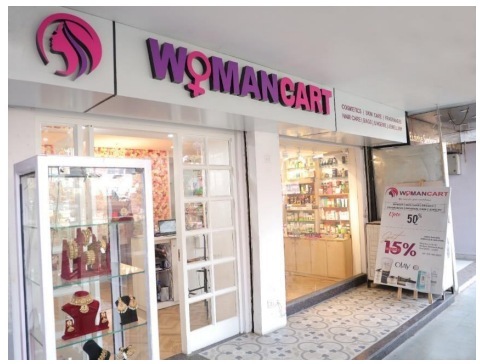
Womancart isn’t just another beauty startup — it’s a full-blown lifestyle bazaar running 9 stores, 12,000 SKUs, 7 in-house brands, and operations stretching all the way to Australia (yes, they now sell blush and bras Down Under).
At ₹274 a share, this stock is cheaper than your average Sephora cart — but is it a lasting brand or just a glammed-up reseller riding influencer hype? Let’s open the vanity box.
2. Introduction – Mirror, Mirror on the Screen
Founded in 2018, Womancart is the perfect product of the Instagram generation — built on dopamine, design, and delivery. It started with a mission to bring affordable luxury to women who love shopping for everything from lipsticks to lingerie — and ended up creating a mini Nykaa-meets-Ajio hybrid that even sells crockery (because who doesn’t want to match their dinner plates with their nail polish?).
From a ₹9 crore revenue in FY23 to ₹87 crore in FY25, the company’s growth curve looks like a contour line drawn by a makeup artist — sharp and rising. Unlike most SME e-commerce players that burn cash faster than a Diwali diya, Womancart is already profitable, with net margins above 12% and OPM touching 19%.
The company has also gone omnichannel — combining online sales through its platform (and marketplaces like Amazon, Flipkart, and Meesho) with physical stores branded as Womancart and Womancart LUXE. Think of it as your friendly neighbourhood Nykaa, but with more SKUs and fewer discounts.
So, what makes this newbie tick? A beauty buffet served with digital flair and desi practicality. But is that enough to sustain its glamour on Dalal Street?
3. Business Model – WTF Do They Even Do?
Womancart’s business model is simple yet packed with SKUs — it’s a one-stop destination for beauty, fashion, and lifestyle needs, powered by data, design, and dopamine hits.
The Four Pillars of Their Empire:
1. Product Categories:
Fragrance (27%) — The company’s highest-grossing segment, because smelling rich is cheaper than being rich.
Makeup (4%), Skin & Haircare (16%), Health & Wellness (14%) — The essentials of your Instagram-ready life.
Imitation Jewellery (12%), Lingerie & Accessories (3%), Clothing (13%), and Crockery (11%) — Yes, crockery. Because beauty isn’t just skin deep; it’s dinner deep.
2. Brand Portfolio: Seven in-house brands covering every aspect of lifestyle:
Sayda Jewels – affordable bling; Kundan to oxidized, everything that shines.
Faeezah – dresses and loungewear.
Feya – hair accessories and western wear.
Wondercurve – body-positive lingerie brand.
Blluex – kitchenware (for those who contour and cook).
Heeley – footwear for every occasion.
Kattly – satin and cotton sleepwear for your beauty sleep.
3. Distribution Model:
Online: womancart.in, plus Amazon, Flipkart, Meesho, Dhani.
Offline: 9 physical outlets (Delhi NCR-heavy), split between Womancart and Womancart LUXE.
LUXE Stores focus on premium brands (~250 sq. ft.).
Launched Womancart Pty Ltd in Australia, entering the global lifestyle retail market.
Operates an e-commerce platform for Aussie customers — an unusual feat for an Indian SME beauty brand.
In essence, Womancart sells you everything from lipstick to ladles, through a mix of e-commerce, private labels, and retail stores — while pretending it’s all about empowerment.
Question for readers: how many categories before a “niche brand” becomes a mini Big Bazaar?
4. Financials Overview
Metric (₹ Cr)
Latest Qtr (Sep’25)
YoY Qtr (Sep’24)
Prev Qtr (Mar’25)
YoY %
QoQ %
Revenue
49.8
21.9
37.2
127%
33.9%
EBITDA
11.1
4.7
5.2
136%
113%
PAT
4.5
2.7
4.5
69%
0%
EPS (₹)
7.1
5.4
7.5
31%
-5%
Commentary: This is what happens when an SME company actually executes. Revenue doubled, margins expanded, and profits held steady despite scaling. EBITDA margin at 22% shows operational control, while PAT margin at 9%+ is strong for a retail player juggling multiple SKUs.
5. Valuation Discussion – Fair Value Range Only
Let’s brush up the numbers.
1. P/E Method:
Annualised EPS = 14.6 × 1 = ₹14.6 Industry P/E (E-commerce peers) ≈ 39.7× Fair Value Range = 15×–25× EPS = ₹219 – ₹365
2. EV/EBITDA Method:
FY26E EBITDA = ₹22 crore (based on TTM run-rate) EV/EBITDA Peer Range = 10×–12× EV Range = ₹220