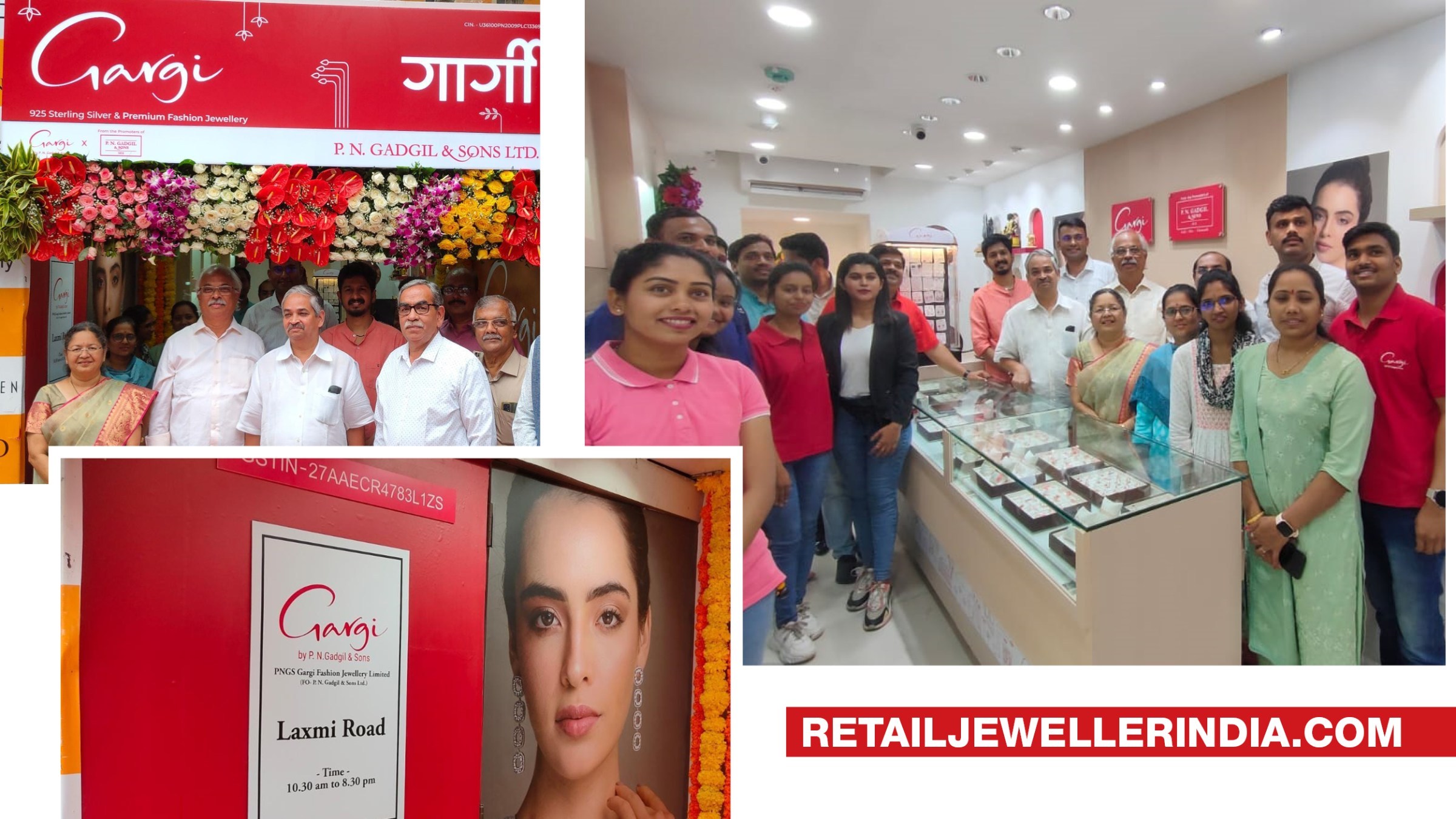
PNGS Gargi Fashion Jewellery Ltd Q2 FY26: From Costume Bling to Diamond Dhamaka — The Gargi Story Shines Harder Than Its Earrings
1. At a Glance
If Titan is the Louis Vuitton of Indian jewellery, PNGS Gargi Fashion Jewellery Ltd is that new-age influencer brand that entered the party wearing silver, started selling brass, and somehow made ₹1,132 crore market cap out of it. And yes — the stock just jumped 20% in a single day, proving that even costume jewellery can mint real money when wrapped in “Made in India” sparkle.
As of Q2 FY26, the company trades at ₹1,081, boasts a P/E of 39.2x, a ROE of 44.8%, and an eye-popping ROCE of 57.9%. In the last quarter, sales doubled 102% YoY to ₹46.4 crore, while PAT also doubled to ₹10.3 crore. Clearly, Gargi’s silver is glowing brighter than Titan’s gold-plated smiles.
From selling 92.5% certified sterling silver and brass jewellery, the company has now levelled up — launching 14K gold with natural diamonds in late 2023. It’s like watching a streetwear brand suddenly launch couture and actually pull it off.
So, what’s the real shine behind Gargi’s story — brand legacy, desi sentiment, or just influencer-fuelled FOMO? Let’s find out.
2. Introduction – Bling It On, Desi Style
In the crowded Indian jewellery bazaar where everyone wants to be Titan or Tanishq, PNGS Gargi is carving a new niche — fashionable, affordable, and fast-moving. Founded in 2009 but rebranded in FY21 under “Gargi by P. N. Gadgil & Sons”, the company leveraged the 190-year-old Gadgil family name to make silver and brass jewellery aspirational again.
In an era where millennials think gold is passé and Gen Z buys jewellery on Instagram, Gargi hit the sweet spot — lightweight silver, chic brass, and modern Indo-western designs that don’t require a locker key or bank loan.
And guess what? The strategy worked. Revenue jumped 177% in the last three years, profit surged 196%, and the company’s net margins hit 22.8% — numbers that would make even seasoned jewellers blush.
From just ₹6 crore revenue in FY22 to ₹133 crore TTM, Gargi has scaled faster than an influencer’s follower count after a viral reel. It’s smallcap glitter with serious growth swagger.
But here’s the catch — how sustainable is this bling rush? And can costume jewellery really deliver real investor returns?
3. Business Model – WTF Do They Even Do?
PNGS Gargi operates at the intersection of tradition and trend — a hybrid business that mixes legacy branding with millennial marketing. Think of it as India’s version of Claire’s, but with Marathi values and Bollywood weddings thrown in.
Here’s the breakdown of how this shiny empire works:
a) Product Portfolio:
Silver Jewellery (57%) – 92.5% sterling certified silver. Earrings, chains, nose pins, and anklets that look luxurious without burning your salary.
Non-Silver Jewellery (19%) – Brass and copper collections, costume ornaments, and Indo-western fusions that make “affordable luxury” sound legit.
Diamond Jewellery (24%) – The newest category, launched in October 2023, featuring 14K gold with natural diamonds. Basically, Gargi’s upgrade from Amazon to Tiffany (desi edition).
b) Distribution Model:
Shop-in-Shop (SIS): 30 POS counters at P.N. Gadgil & Sons and P.N. Gadgil Art & Culture Foundation outlets across Maharashtra, Gujarat, and Karnataka.
Franchise Stores: 30+ FOFO (Franchise Owned Franchise Operated) stores — a shift from consignment model to independent franchise ownership.
Exclusive Stores: 5 standalone Gargi outlets in cities like Pune, Hyderabad, and Chennai.
Online Presence: A growing D2C website (gargibypng.com) and social media storefronts.
c) Sourcing Model:
The company outsources finished jewellery from third-party vendors across India and also collaborates with local artisans for handmade silver and brass pieces.
This hybrid sourcing ensures scale without heavy CAPEX — a smart model in a cash-tight SME world.
Basically, Gargi sells what women (and increasingly, men) want — elegant, daily-wear jewellery that looks “Instagram-ready” but costs less than your EMI.
Question for the readers: how many earrings do you think it takes to build a ₹1,100 crore company?
4. Financials Overview
Metric (₹ Cr)
Latest Qtr (Sep’25)
YoY Qtr (Sep’24)
Prev Qtr (Jun’25)
YoY %
QoQ %
Revenue
46.4
23.0
27.0
102%
72%
EBITDA
13.0
7.0
6.0
85%
116%
PAT
10.3
5.1
5.0
102%
106%
EPS (₹)
9.8
4.9
5.1
100%
92%
Commentary: The kind of growth Titan wishes it had in one of its subsidiaries. Gargi’s revenues have literally doubled YoY, and margins are stable at 28%. PAT doubled, EPS doubled — everything doubled except the gold content in their ornaments.
Operating profit margins of 27–30% are rare for retail jewellers, proving that silver might be cheaper but far more profitable than gold.
5. Valuation Discussion – Fair Value Range Only
Let’s polish up the valuation rings:
1. P/E Method:
EPS (Annualised) = ₹9.8 × 4 = ₹39.2 Industry P/E = 31.5× Fair Value Range = 30×–40× EPS = ₹1,176 – ₹1,568
2. EV/EBITDA Method:
FY26E EBITDA = ₹52 crore (based on run-rate) EV/EBITDA peer range = 20×–25× EV range = ₹1,040–₹1,300 crore Less debt ₹8 crore, add negligible cash ₹19 crore