General information and education, not investment advice. The author is not a SEBI-registered adviser or research analyst. No recommendation, no promised returns. Markets carry risk including loss of capital. Figures may not be current. Always consult a SEBI-registered adviser.
1. At a Glance
Unifinz Capital India lends small sums to salaried borrowers through an app, under the Lendingplate brand. Revenue for the three months to June 2026 was ₹180.21 crore. The same three months a year earlier brought ₹82.99 crore, so the figure is 117% higher. In the whole of the year to March 2022, the company sold ₹2.24 crore.
Operating profit for the quarter was ₹47.05 crore, up from ₹26.03 crore a year earlier. Profit after tax was ₹17.35 crore, against ₹16.81 crore. The increase works out at 3.21%. Earnings per share, the profit attached to a single share, were ₹3.92 against ₹3.79.
The filed results show impairment of financial assets of ₹83.21 crore for the quarter. Impairment is money set aside against loans the lender no longer expects to collect in full. Finance costs, the interest the company itself pays, were ₹23.48 crore. Total expenses for the quarter came to ₹157.12 crore.
August 2026 was a crowded month. The company reported these results, and the Bengaluru Cyber Crime Police searched its corporate office. The board also allotted a further ₹50 crore of non-convertible debentures, carrying interest at 11.75%. Non-convertible debentures are borrowings from investors that never turn into shares.
The loan book stood at ₹416.88 crore at the end of March 2026, against ₹95.06 crore a year before. Write-offs of outstanding contractual amounts came to ₹132.5 crore in the year to March 2026. The comparable figure for the year before was ₹29.1 crore.
2. Introduction
Unifinz Capital India Limited was incorporated in 1982. For most of the four decades that followed, the accounts barely moved at all. Revenue was ₹0.18 crore in the year to March 2017. It reached ₹1.24 crore in the year to March 2019, then ₹1.18 crore two years after that. A company can sit on a BSE scrip code for forty years without anybody noticing, and this one did.
The change came in March 2022. Unifinz, a finance company registered with the Reserve Bank of India, began retail lending under the Lendingplate brand. A non-banking finance company lends money without holding a banking licence. Sales climbed in every year after that. They were ₹2.24 crore in the year to March 2022 and ₹9.15 crore the year after. The year to March 2024 brought ₹29.81 crore, and the year after it ₹122 crore. The year to March 2026 brought ₹511.73 crore. Staff numbers went from 50 to 517 across the same stretch. Compounded sales growth over the five years is 237%.
The capital structure was rearranged in the same period. Authorised capital, the ceiling on what a company may issue, rose in July 2025 from ₹25 crore to ₹90 crore. Paid-up capital reached ₹44.27 crore by March 2026, spread across 4.43 crore shares. That followed a bonus issue of 3.54 crore shares, four new shares for every one already held. Earnings per share for the years to March 2025 and March 2026 are restated on that basis. Older per-share figures were struck on a different share count.
The company raised ₹105 crore in the year to March 2026 through debentures placed privately with investors. Those were listed, rated and secured. The three months to June 2026 brought ₹157.90 crore more, across four tranches in April and May 2026. The coupon on those was 13%. In August 2026 the board revised the umbrella borrowing limit for such debentures to ₹1,000 crore. The filing itself states that “only umbrella resolution limit is revised, no fund-raising resolution is passed”.
The finance chair changed hands three times inside one financial year. Ritu Sharma resigned as chief financial officer in October 2025. Ritu Tomar served as interim chief financial officer from January 2026 to March 2026. Vijay Kumar Singh was appointed chief financial officer in March 2026.
US
Now live
US Stocks terminal is live
13,000+ US tickers · EDGAR fundamentals · screener and filings feed — the same terminal, for American markets.
Explore →
3. Business Model: WTF Do They Even Do?
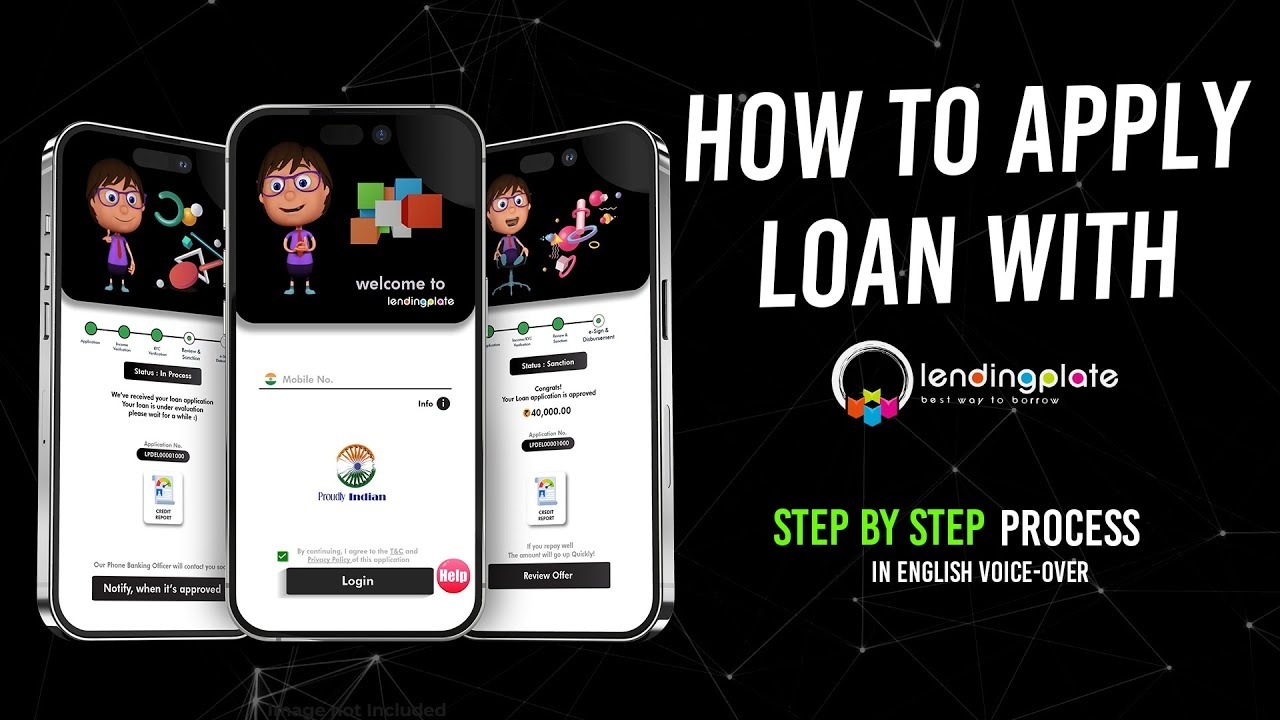
Unifinz is a non-banking finance company of the investment and credit type. It lends to salaried people digitally, in amounts starting at ₹5,000. There is no factory here, no inventory and no supply chain. The raw material is borrowed money, and the finished product is somebody else’s monthly instalment.
Loan sizes run from ₹5,000 to ₹2.5 lakh, and terms from 20 days to 12 months. A twenty-day loan is less a loan in the sentimental sense than a favour with interest attached. Sourcing, credit assessment and payout are handled online from end to end, across more than 450 cities and towns. The credit decision is made by software that has never met the borrower.
The product list covers personal, travel, wedding and education loans. It also covers home renovation, medical emergencies, debt consolidation and balance transfers. Short-term and long-term loans round it off. Separate offerings are segmented by borrower: salaried employees, self-employed individuals, doctors and chartered accountants. Government employees and women borrowers have products of their own. Somewhere a product manager has built a lending journey specifically for chartered accountants.
Disbursements were ₹2,071 crore in the year to March 2026, against ₹512.51 crore the year before. The company made 221,430 loans in that year, against 42,111 in the previous one. It reports 43,000 customers served. Repeat customers accounted for 80% of disbursements in the year to March 2026.