1. At a Glance
If chemistry had a sense of humour, it would be called TGV Sraac Ltd — an alphabet soup of caustic soda, potash, chloromethane, and castor derivatives, all bubbling under the same corporate beaker. Incorporated in 1981, this company has gone from making basic industrial chemicals to running its own solar and wind power farms like a climate-conscious Walter White.
As of 14 November 2025, the company trades at ₹111/share, has a market cap of ₹1,188 crore, and boasts a P/E of 9.78 — practically “value stock” territory in a market where AI startups are valued like divine miracles. Sales (TTM): ₹1,933 crore. PAT (TTM): ₹121 crore. ROCE: 10.4%. ROE: 8%.
In Q2FY26, it clocked ₹500 crore in sales and ₹37 crore PAT, growing 16.8% QoQ and 12.5% YoY. The book value is ₹117, meaning the stock trades below book (0.95x P/B). That’s rarer than a Bollywood movie without a remix.
As the Bible gently reminds us, “Let there be light.” TGV, it seems, took it literally — they’ve built solar plants, wind farms, and even decommissioned one for fun.
2. Introduction
Welcome to the world of TGV Sraac Ltd, formerly known as Sree Rayalaseema Alkalies and Allied Chemicals Ltd, where everything sounds complex but basically revolves around one thing — turning salt, oil, and gas into money.
Think of TGV as the “Swiggy” of industrial chemicals — they deliver caustic soda, methylene chloride, and glycerine to factories across India, just without the delivery tips. The company runs a Chlor-Alkali and Chloromethane empire and a smaller Oils & Fats division that’s been put on diet due to wafer-thin margins.
Despite being in an industry that usually smells like chemistry lab nightmares, TGV has managed to look like a serious operator — ISO 9001, ISO 14001, OHSAS 18001 certified, with a 22.75 MW solar plant and another 17.25 MW planned.
And just when you thought they’d stop at bleaching the world, they added renewable energy to their product mix. The firm’s expansion story reads like a recipe for resilience: increase capacity, generate power, cut imports, and keep the caustic soda flowing.
3. Business Model – WTF Do They Even Do?
If your head spins at “Chlor-Alkali”, here’s the short version: TGV makes the building blocks that everyone else uses to make everything else.
Their two main business segments:
1. Chemicals (~95% of revenue)
This is the bread, butter, and sodium hydroxide. It includes:
- Caustic Soda (58%) – Used in textiles, paper, soaps, detergents, and aluminium.
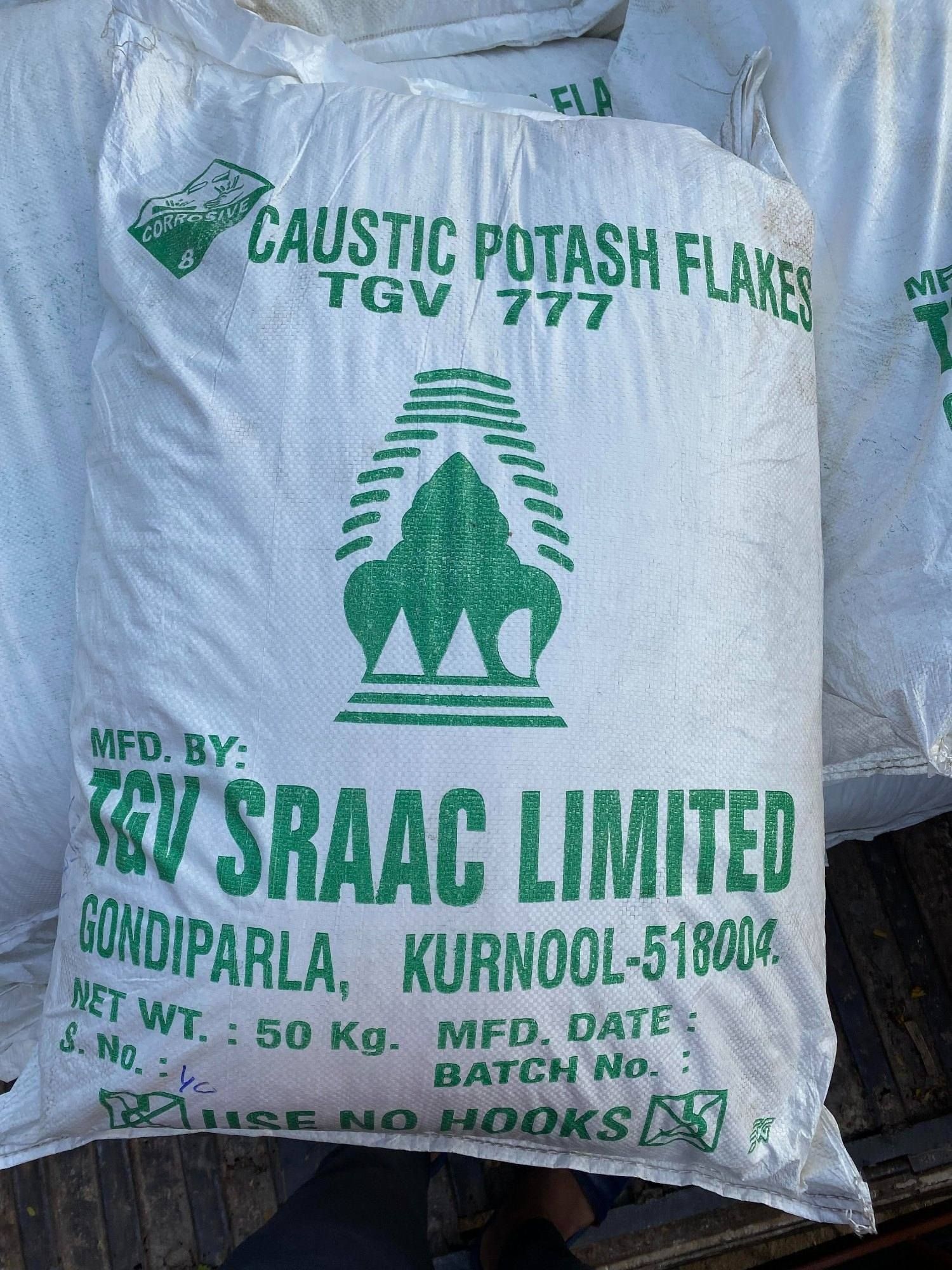
- Caustic Potash (16%) – Fancy cousin of caustic