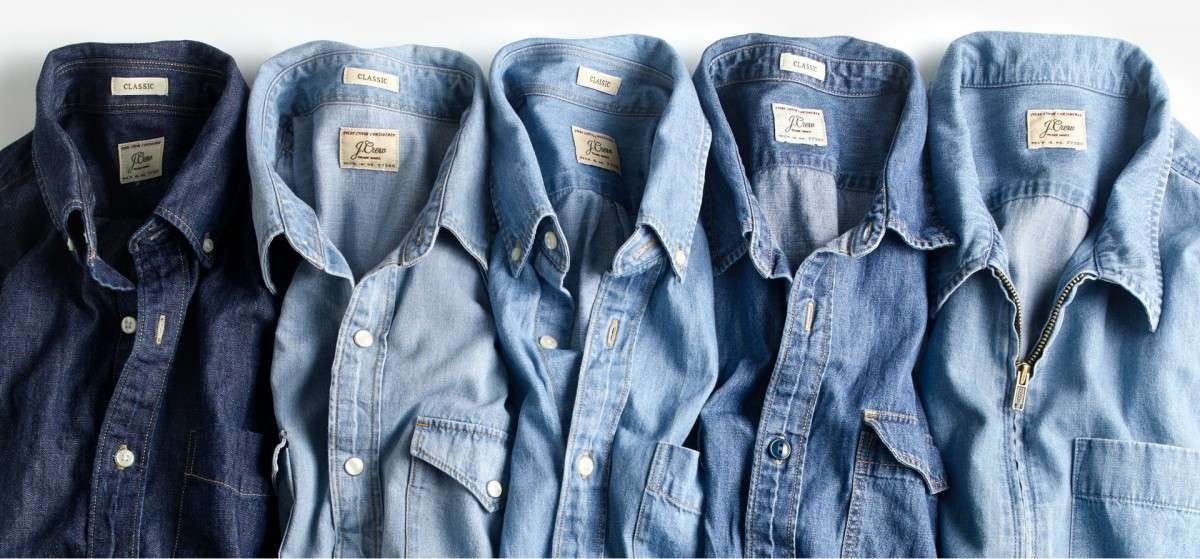
Swaraj Suiting (Mar ’26): A Textile Startup That Outgrew Textbook P/Es
Section 1 — At a Glance
Swaraj Suiting delivered a blisteringly executed FY26. Revenue flew 38.5% to ₹577 Cr. Net profit jumped 58% to ₹53.7 Cr. The loom—both mechanical and financial—is spinning without complaint.
But here’s the friction: a ₹241 stock price sitting on an 11.8x P/E, paired with a 21.7% ROE that flashes green on the dashboard. The company is aggressively capital-heavy. It’s pushing ₹420 Cr into a spinning and advanced materials expansion. The working capital days inflated from 40 to 83. And a promoter holding skid from 74.97% to just 64.95%—a 10-percentage-point haircut in one quarter alone.
Growth is real. Execution is tight. The question is whether the balance sheet can handle the ambition without breaking stride.
Section 2 — Introduction
Swaraj Suiting started in 2003 doing what textile traders do: buy fabric, sell fabric. In 2019, after spending years processing denim greige for others, the company acquired a small manufacturer and pivoted to owning the denim value chain. Then came the 2022 IPO on the SME board, two bonus issues, and a bet-the-farm expansion at Neemuch.
The company now spans spinning, weaving, dyeing, processing, and finishing. It calls itself “integrated.” The market is beginning to believe it.
Section 3 — Business Model: WTF Do They Even Do?
Swaraj makes denim and cotton finished fabrics. The bulk of production happens at two facilities—Bhilwara in Rajasthan (123 air-jet looms, capacity 18 Mn meters p.a.) and the newer Neemuch plant in Madhya Pradesh (72 looms + cotton spinning + denim processing, capacity 18 Mn meters finished fabric + 25 Mn denim processing + 7.3k tonnes spinning).
The company’s own denim brand, “Swaraj Denim,” has generated 2,500 samples to date and now handles the H&M, Zara, Reliance Trends account. Cotton yarn and greige fabric round out the offerings.
The subsidy kicker: Neemuch’s plant gets state incentives. The company’s cost structure is propped up by government money. That’s not a weakness—it’s a structural advantage that few North Indian textile competitors enjoy. The expansion announcement mentions ₹420 Cr investment for more spinning, weaving, and a “pilot” into advanced high-performance yarns (defense, infrastructure, oil & gas applications). Margin play disguised as capacity expansion.
Section 4 — Financials Overview
Figures are consolidated, in ₹ crore.
Metric
Q4 FY26
YoY
FY26
YoY
Revenue
207
+22.4%
577
+38.5%
EBITDA
34.5
+2.7%
111.5
+52.7%
PAT
24.7
+34.6%
53.7
+58.0%
EPS
9.38
—
20.4
+54.7%
The bulk of FY26’s profit arrived in Q4. Q1-Q3 combined delivered ₹28 Cr of the ₹53.7 Cr annual profit. Q4 alone: ₹24.7 Cr. Management clearly loaded the gun before announcing the expansion—a bit of financial judo.
EBITDA margin expanded 180 basis points YoY to 19.3%. Net margin vaulted 112 bps to 9.1%. The company did what mills do when capacity comes online: squeeze every bit of operational leverage out of the system. Better product mix (more value-added denim, less commodity PV fabric) + lower power costs (subsidy benefit) + export tailwinds (US/EU tariff relief on Indian textiles) = a margin story that actually holds water.
Section 5 — Valuation: Fair Value Range
Three methods:
P/E Method: Peer mills trade at 25-32x (K.P.R. Mill at 42.9x, but that’s an outlier). Swaraj’s consolidated P/E is 11.8x. Using a peer band of 18-22x (adjusting for Swaraj’s 21.7% ROE, which is stronger than the median 7.3%), fair value = 20.4 × 20 = ₹408.
EV/EBITDA Method: Enterprise Value = Market Cap (₹633 Cr) + Net Debt (₹316 Cr net borrowings). EV = ₹949 Cr. EV/EBITDA = 8.5x. Peer band for mills: 8-11x. Fair value EBITDA multiple = 10x. EBITDA FY26 annualised = ₹111.5 Cr. EV = ₹1,115 Cr. Subtracting net debt: Market Cap = ₹1,115 – ₹316 = ₹799 Cr. Per share: ₹799 / 2.63 Cr shares = ₹304.
DCF (Simplified): Assume 25% revenue CAGR over 5 years (slower than recent 38%), 18% EBITDA margin stabilization, 25% tax, 15% WACC. Terminal EV ~₹1,500 Cr. Fair value range: ₹320-₹380 per share.
Range: ₹300-₹410 per share
This fair value range is for educational purposes only and is not investment advice.
Section 6 — What’s Cooking: Expansion Drama & Macro Tailwinds
The ₹420 Cr spinning expansion is the headline. Neemuch gets three new spinning sections (ring, open-end rotor, and a advanced materials