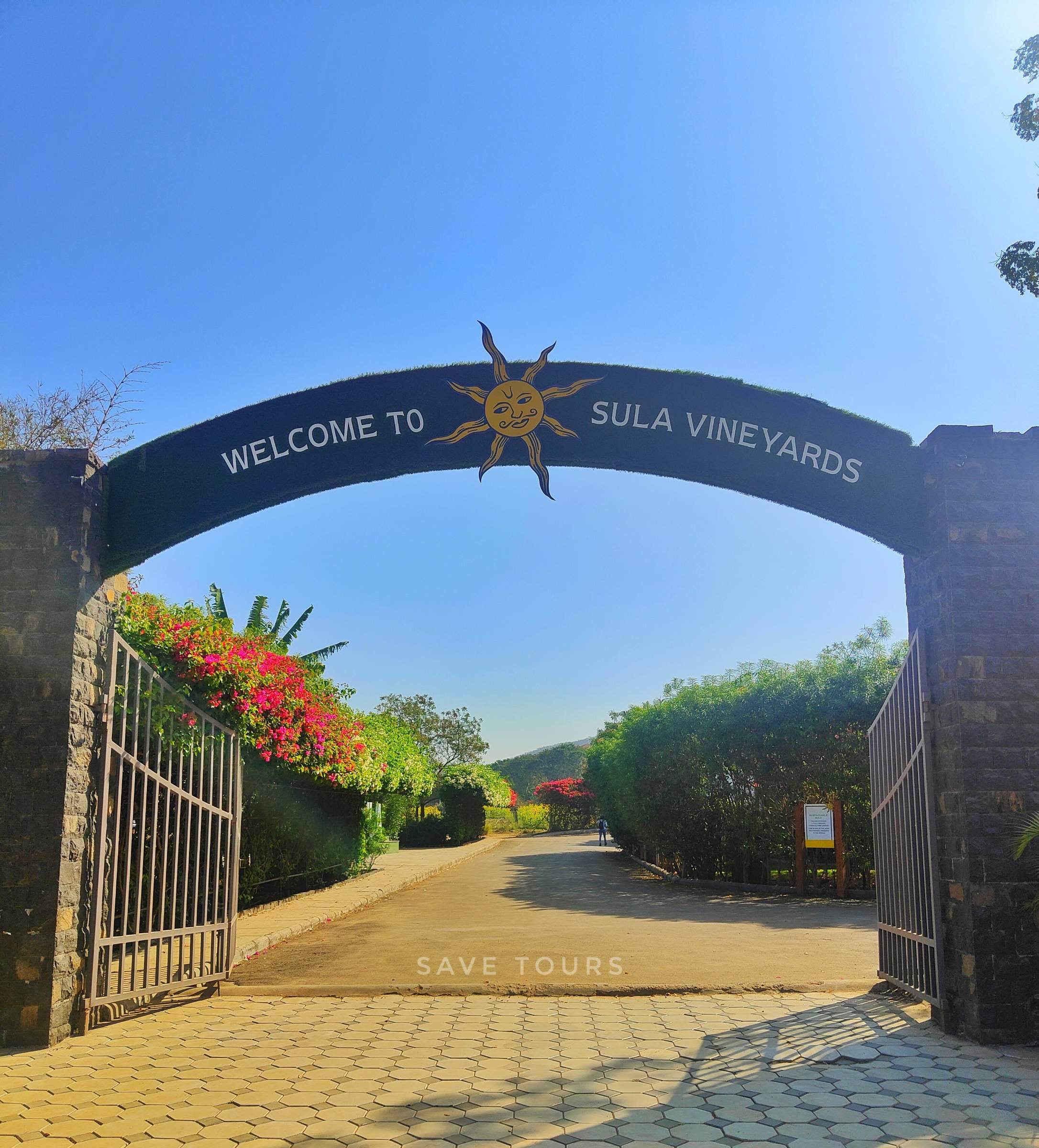
1. At a Glance – One Glass In, Head Spinning
Sula Vineyards is trading at ₹188, down ~45% YoY, with a market cap of ₹1,589 Cr. Stock P/E sits at a rich 51x, while ROCE is 13.2% and ROE 12.3%—not exactly Bordeaux-grade returns for a stock priced like a luxury champagne.
Latest Q3 FY26 (Dec’25) numbers show revenue of ₹180.4 Cr (-9.9% YoY) and PAT of ₹9.1 Cr (-63.8% YoY). Operating margins slipped to 17.7%, interest cost keeps creeping up, and debt stands tall at ₹400 Cr.
Yet, this is still India’s wine king, commanding 50%+ market share, dominating elite & premium wines, and running one of the country’s most successful wine tourism businesses with 330,000+ annual visitors.
So what’s happening? Is the hangover temporary—or is the party over? Let’s uncork the bottle 🍷.
2. Introduction – When the Category Creator Meets Reality
Sula Vineyards is not just a wine company; it is the wine category in India. Before Sula, wine was something you ordered at a five-star hotel to look sophisticated. After Sula, it became something you brought to house parties pretending you know tannins.
But markets don’t reward nostalgia. They reward numbers, cash flows, and capital efficiency.
Post-IPO (Dec 2022), Sula enjoyed a honeymoon phase. Then came reality:
- Slower volume growth
- Margin pressure
- Rising working capital
- High valuation expectations
Wine is aspirational, yes. But it is also highly regulated, seasonal, capital intensive, and inventory-heavy. And Sula is discovering that scaling a wine empire in India is not the same as selling FMCG biscuits.
Question for you: Is Sula a lifestyle brand… or a balance-sheet company pretending to be one?
3. Business Model – WTF Do They Even Do?
Sula operates two businesses:
A. Wine Business (≈90% revenue)
- Own brands (87.5% of H1FY26 revenue)
- Imports (2%)
They sell across:
- Elite & Premium wines (₹700–₹2,100): 76% of own-brand revenue
- Economy & Popular wines: 24%
Sula owns 69 labels, which sounds impressive until you realize SKU complexity also means:
- Higher inventory
- Slower cash cycles
- More distributor management drama
B. Wine Tourism (≈10.5%)
This is where Sula flexes.
- Vineyard resorts
- Tasting rooms
- Restaurants
- D2C wine sales
Occupancy 77%, ARR ₹9,788, footfall growing. This is Sula’s