1. At a Glance
The Indian building materials industry is presenting a stark, numbers-driven paradox that every retail investor needs to study carefully. On one hand, corporate profit updates look impressive, with expanding operational margins and clean balance sheet metrics gaining investors’ attention. On the other hand, the ground reality features acute structural constraints, heavy supply chain fragmentation, and sudden geopolitical vulnerabilities. Somany Ceramics Limited stands directly at the intersection of this financial divergence.
In its latest audited financial performance update for the final quarter ended March 31, 2026, the company recorded consolidated revenue of ₹812 crore, translating to a modest 6.0% year-on-year growth compared to the ₹766 crore posted in the same period last year. However, look further down the profit statement and the real intrigue begins: consolidated EBITDA jumped 47.8% to ₹92 crore, driving the operating profit margin up by 320 basis points to an impressive 11.4%.
Before celebrating this margin expansion, we must analyze the structural red flags currently threatening the sector. In early March 2026, the escalation of the US-Iran conflict caused immediate disruptions in global energy shipments, directly impacting liquefied natural gas (LNG) and propane imports. Because the domestic ceramic tile industry relies on the Middle East for 60% to 65% of its fuel supplies, the Government of India issued the Natural Gas (Supply Regulation) Order on March 9, 2026. This administrative directive restricted natural gas allocations to 80% of each manufacturer’s average consumption over the preceding six months.
With multiple smaller production units in western hubs forced to halt operations entirely, industry capacity utilization has dropped significantly. Somany’s heavy reliance on a network of joint ventures and outsourced partners—which make up a massive 74% of its total sales mix—leaves its supply chain exposed to external operational shocks. While the company recorded a consolidated net profit of ₹74 crore for the full fiscal year 2026, long-term efficiency indicators raise clear warning flags: the company’s three-year average return on equity sits at a low 10.5%, and five-year compounded sales growth is a sluggish 11.1%.
The critical question is clear: can these improved operating margins survive an extended period of domestic fuel rationing and rising input costs, or are investors looking at a temporary earnings peak?
2. Introduction
Navigating the building materials market requires looking past glossy product catalogs and diving straight into the volatile economics of industrial energy. Somany Ceramics operates as the second-largest manufacturer in the domestic tile sector, distributing product lines across ceramic floor and wall tiles, polished vitrified tiles, sanitaryware, and bath fittings.
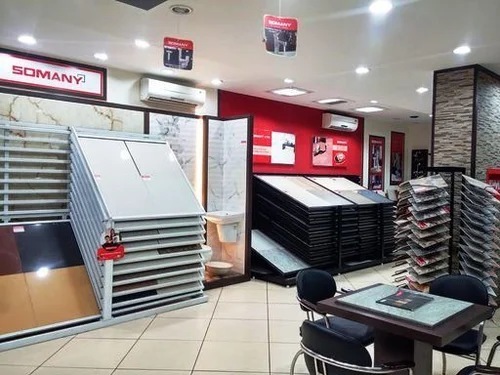
With a distribution footprint spanning over 3,000 dealers and 520 corporate showrooms, the group’s financial health is closely tied to domestic real estate completion cycles and infrastructure demand. For the full financial year ended March 31, 2026, consolidated sales reached ₹2,771 crore, representing a 4.8% growth over the ₹2,643 crore recorded in the previous fiscal year.
However, evaluating this business requires keeping a strict boundary between standalone operations and consolidated entities. Somany operates through a complex web of subsidiary investments and joint ventures, including Somany Max Private Limited, Sudha Somany Ceramics, and Somany Bathware. These entities frequently absorb heavy plant stabilization costs and operating losses that can distort the company’s true financial position if not thoroughly examined.
The fourth quarter of fiscal year 2026 brought a significant shift in sector dynamics. While steady retail demand from Tier-2 and Tier-3 urban expansions supported volume offtake, manufacturing clusters faced sudden regulatory changes and fuel supply limitations. For an organization trying to maintain pricing power across a large dealer network, turning production output into stable cash flow requires constant vigilance over regional energy contracts.
3. Business Model – WTF Do They Even Do?
To understand how Somany functions, think of it as a massive branding and distribution machine that also happens to run a few factories. The company does not manufacture everything it puts its logo on. Instead, its total sales mix is split across three separate sourcing channels: own manufacturing accounts for 26%, dedicated joint ventures contribute 34%, and outsourced third-party manufacturers supply the remaining 40%.
This asset-light model allows the group to expand its retail reach without deploying massive capital for high-risk factory expansions. However, it also means the company is structurally dependent on independent operators. When a global energy crisis hits small-scale tile manufacturers in Morbi, Gujarat—the capital of Indian tile manufacturing—Somany must rapidly re-route its supply requirements to its own primary facilities in Bahadurgarh, Haryana, and Ahmedabad, Gujarat.
The product mix has been systematically nudged toward higher-value products, with Glazed Vitrified Tiles (GVT) growing to represent 42% of total tile sales, up from 38% last year. Geographically, the company remains heavily anchored in North India, which generates 45% of its total revenue, followed by the South at