1. At a Glance
Rulka Electricals is currently navigating a high-stakes transition from a Mumbai-centric contractor to a pan-India MEP powerhouse, and the numbers are beginning to reflect a massive shift in scale. The company closed FY26 with a Revenue of ₹110.20 crore, marking a significant jump from the previous year. However, the real story lies in the shadows of its order book and the sudden, aggressive move to raise capital.
Investors’ attention is being held captive by an unexecuted order book of ₹144 crore as of the December concall, which management claims grew to a staggering ₹163.28 crore by the end of FY26. With execution timelines for most projects compressed into a 3 to 8-month window, the market is pricing in a rapid revenue conversion. Yet, beneath the growth narrative, red flags are waving. The company’s Operating Profit Margin (OPM) has stagnated at 5%, a sharp decline from the 13% levels seen in Mar 2024. This margin contraction is the primary ghost haunting the balance sheet, attributed to a “legacy” civil project in North India that drained profitability.
Furthermore, the board has just approved a massive capital infusion through the issuance of 77.40 lakh convertible warrants and 6.50 lakh equity shares at ₹109.50. This is a clear signal that the current cash flows are insufficient to fuel the working capital required for the ₹163 crore pipeline. The debt has also crept up, and while the company is profitable, the Dividend Payout remains at 0%, with every penny being reinvested to keep the execution engine from stalling. Is this a disciplined scale-up or a desperate race to stay ahead of working capital cycles?
2. Introduction
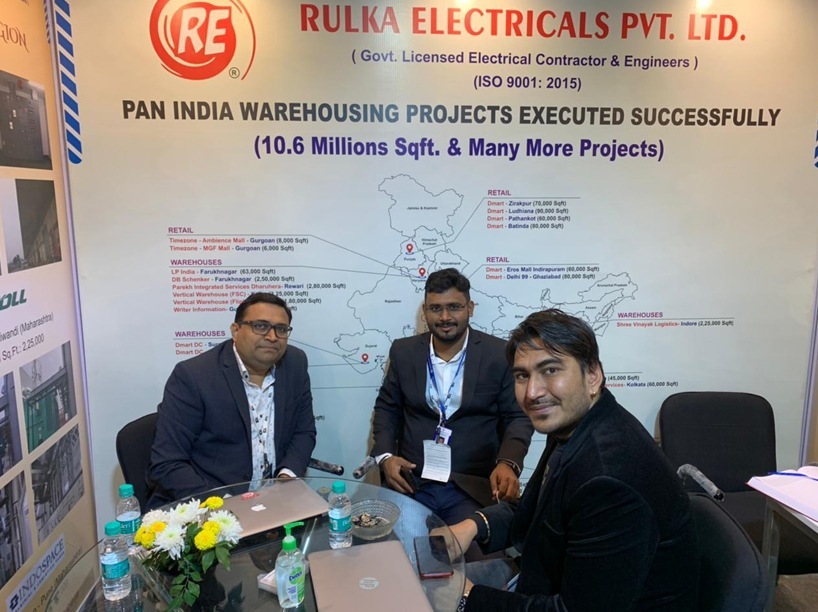
Rulka Electricals Limited, an integrated MEP (Mechanical, Electrical, and Plumbing) and infrastructure contractor, has moved far beyond its 2013 roots. Today, it positions itself as a one-stop-shop for design, engineering, installation, and commissioning. The company operates across a diverse spectrum, including electrical contracting, firefighting systems, and solar EPC.
The business is currently riding the wave of India’s warehousing and retail boom. High-profile clients like IndoSpace, Welspun One, Delhivery, and DMart anchor its revenue stream. Management emphasizes that approximately 65% of their business is repeat, suggesting a level of client stickiness that is rare in the cut-throat contracting industry.
However, the transition from SME scale to a larger corporate entity is proving expensive. The company has expanded its workforce by 40% and opened new offices in Mumbai to support its pan-India ambitions. While the revenue is growing at a 5-year CAGR of 41%, the bottom line has struggled to keep pace due to operational overheads and a pivot toward more complex, albeit technically demanding, sectors like Extra High Voltage (EHV) power transmission.
The latest financial results for the year ended March 31, 2026, show a company that is successfully hunting for larger orders but struggling to squeeze significant profits out of them. With the recent board approval for a preferential issue, Rulka is doubling down on its growth bet, aiming to migrate to the main board while tackling the complexities of government contracts and infrastructure projects.
3. Business Model – WTF Do They Even Do?
Think of Rulka as the “nervous system” and “immune system” for giant warehouses and industrial plants. When a massive logistics park or a high-end retail mall is built, Rulka is the team that ensures the lights stay on, the data flows through the cables, and the building doesn’t burn down.
Core Segments:
- Electrical Contracting (60% of Revenue): This is their bread and butter. They handle everything from installing massive 220kV transformers to the tiny data points in a retail store.
- Firefighting Solutions (30% of Revenue): They design and install sprinklers, hydrants, and suppression systems. This is a high-compliance, high-stakes segment where failure isn’t an option.
- Solar & EHV (10% of Revenue): This is the “new kid on the block.” They are aggressively bidding for Extra High Voltage (EHV) projects from government bodies like Mahatransco, believing these will eventually offer better margins.
The business model relies on Turnkey Project Execution. They don’t just supply equipment; they manage the entire lifecycle from design to maintenance (AMC). While this creates “stickiness,” it also makes them a slave to project timelines and raw material costs. If a project