Raymond Lifestyle Ltd Q4 FY26: Revenue Crosses ₹ 7,000 Crore Mark; Net Profit Surges 132% YoY
1. At a Glance
The transition from a heritage textile giant to a modern lifestyle powerhouse is rarely a smooth ride, but Raymond Lifestyle Ltd (RLL) is attempting to defy the gravity of a sluggish global export market. In a year marked by extreme volatility—ranging from punitive US tariffs to a disruptive ransomware attack—the company has managed to cross a historic milestone, clocking in a total income of over ₹ 7,034 crore for FY26.
Investors are watching closely as the “Complete Man” tries to swap his traditional woollen suit for a tech-driven, casual wardrobe. The numbers are undeniably gaining attention: a 132% surge in Net Profit for the latest quarter compared to the same period last year. However, beneath the headline growth lies a complex web of challenges. The company’s Garmenting division has been bleeding efficiency, with margins shrinking to a razor-thin 1.5% to 3% as it battles a geopolitical tug-of-war.
The strategy is bold—aggressively spending on advertising (A&P) to capture the Indian wedding market while simultaneously pruning the retail network by shutting down 124 low-performing stores. Management calls this a “Year of Recovery,” but the high pledged promoter holding of 20.8% and a low Interest Coverage Ratio serve as stark reminders that the recovery is still a work in progress.
With a Net Cash surplus of ₹ 179 crore, RLL is technically debt-free on a net basis, yet it remains tethered to the whims of the Income Tax Department, which recently concluded a survey at its premises. The market is now at a crossroads: is this a rejuvenated consumer play or a legacy business struggling to outrun its operational shadows?
2. Introduction
Raymond Lifestyle Ltd was carved out of the parent Raymond Ltd in June 2024 to create a pure-play fashion and textile entity. This wasn’t just a paper exercise; it was a surgical move to separate the high-growth lifestyle business from the capital-intensive real estate and engineering arms.
Today, RLL stands as India’s largest manufacturer of worsted suiting fabrics, commanding a dominant 50-55% market share. But being a king in a maturing category like “Suiting” isn’t enough in 2026. The company is now aggressively pushing into Branded Apparels (Park Avenue, ColorPlus, Parx) and Ethnix, aiming to capture the massive ₹ 1 Lakh Crore plus Indian wedding industry.
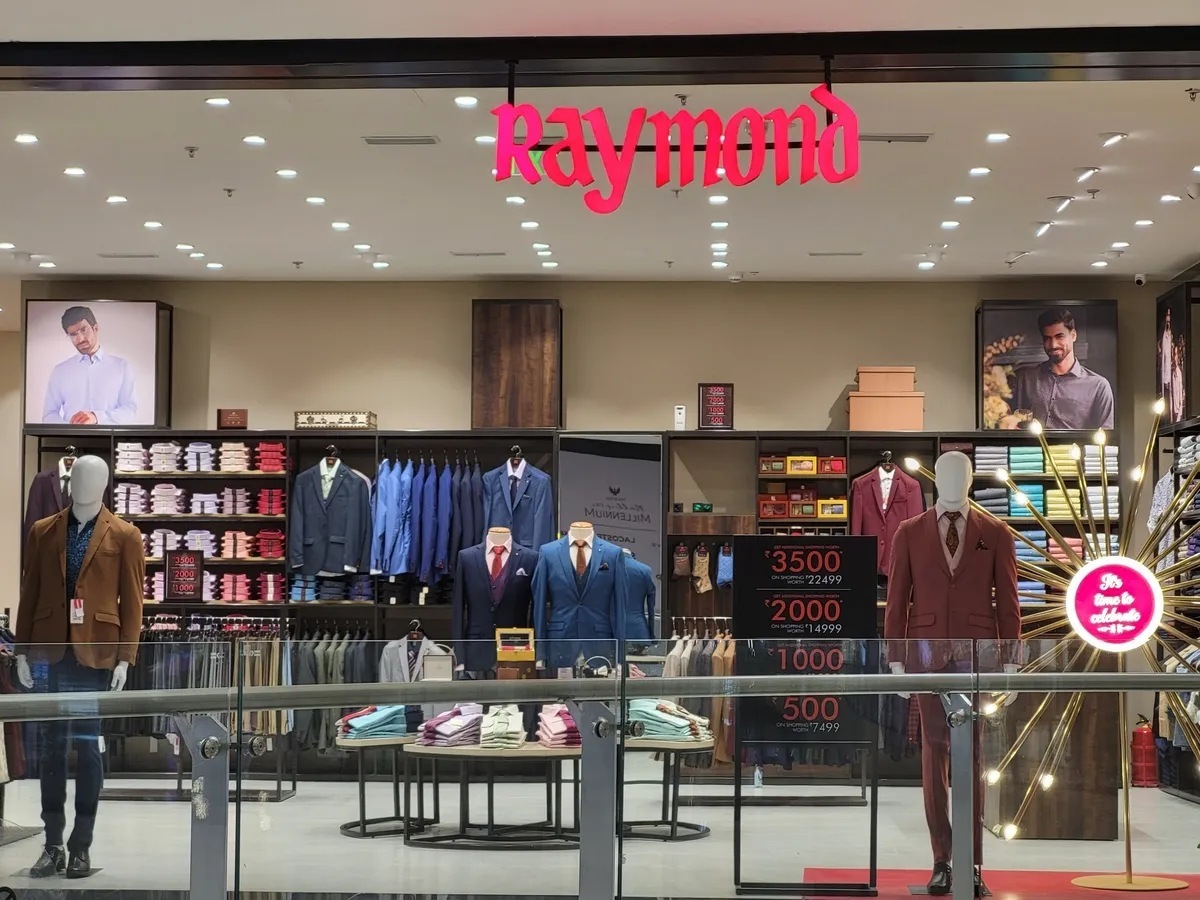
The company operates through a massive network of 1,653 stores, with its “The Raymond Shop” (TRS) format acting as the backbone. Despite the scale, the financial journey has been uneven. The FY25 performance was “muted,” plagued by a ransomware incident that paralyzed operations for nearly a month. FY26, however, has seen a spirited comeback, driven by domestic demand and a strategic shift toward premiumization.
The management team has seen a complete overhaul recently. With Satyaki Ghosh taking the helm as CEO in January 2026, the company is signaling a transition from “manufacturing-first” to “consumer-first.” As they enter the “Year of Consolidation,” the focus is moving toward sustainable profitability and de-risking the export book.
3. Business Model – WTF Do They Even Do?
If you think Raymond only makes the fabric your grandfather used for his safari suit, you’re living in the past. RLL is a vertically integrated fashion beast that controls everything from the sheep to the shelf.
The Cash Cow: Branded Textiles (50% Revenue)
They take wool (mostly from Australia) and turn it into high-end suiting and shirting. They are the 800-pound gorilla here, holding over half the market share in worsted fabrics. If someone is getting married in India, there’s a high probability they are wearing Raymond fabric.
The Growth Engine: Branded Apparel (26% Revenue)
This is where they sell ready-made clothes. They own iconic brands like Park Avenue (office wear), ColorPlus (premium casuals), and Ethnix (wedding wear). They are desperately trying to “casualize” their portfolio because, let’s face it, fewer people wear three-piece suits to work anymore.
The Export Arm: Garmenting (14% Revenue)
Think of this as a “white-label” service. They manufacture suits and jackets for top global brands. It’s a high-volume business that has been kicked in the teeth recently by US trade policies and global logistics drama.
The B2B Play: High-Value Cotton Shirting (12% Revenue)
They supply fine cotton and linen fabrics to other garment makers. It’s a B2B business that thrives on the “premiumization” trend—selling luxury blends that feel like silk but last like cotton.
4. Financials Overview
The latest results show a company that is finally finding its footing after the restructuring. The Q4 FY26 performance was particularly strong in terms of top-line growth, though margins remain a battleground.