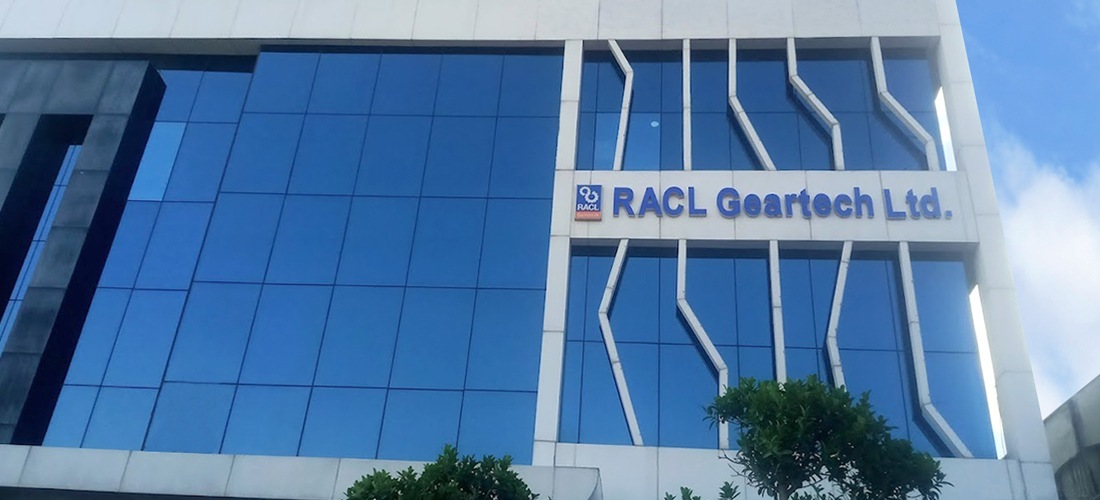
1. At a Glance – The Gear That Thinks It’s a Ferrari Engine
You know those companies that quietly manufacture boring parts… and suddenly start talking like they’re building rockets for Elon Musk? Welcome to RACL Geartech — a company that makes gears (yes, literal gears) but now casually drops names like BMW, ZF, electric vehicles, and North American truck supply chains like it’s attending Davos.
Q3 FY26 numbers? Solid. Revenue jumped ~22%, EBITDA margin touched ~25%, and PAT growth is flexing like a gym influencer in January.
But here’s the twist — behind this shiny quarter is a company juggling working capital nightmares, capex addiction, dependence on global OEM moods, and a business where one Austrian motorcycle company sneezes… and revenue catches cold.
Also, this isn’t your regular auto ancillary. This is premium auto ancillary — the kind that wants to be seen as “engineering excellence” rather than “nuts and bolts factory.”
So the real question is:
👉 Is this a long-term compounding machine quietly building a moat?
👉 Or is it just a gearbox spinning faster because the market is excited about EV buzzwords?
Let’s open the hood.
2. Introduction – From BIFR Survivor to BMW Supplier (Filmy Comeback Story)
RACL’s origin story is straight out of a Bollywood redemption arc.
Once referred to BIFR (basically financial ICU), the company somehow crawled back, rebuilt itself, and now supplies to premium global OEMs.
Today, it’s:
- Export-heavy (~70% revenue)
- Serving global brands
- Operating in high-precision segments
- Trying hard to move up the value chain
And now comes the new identity:
“Not just a gear manufacturer… but a precision engineering partner for EV platforms.”
Sounds fancy, right?
But let’s decode reality:
- It still depends heavily on customer nominations
- It still waits 1–2 years before revenue starts from new projects
- It still needs constant capex just to stay relevant
In short, it’s like:
👉 A student who has to keep topping exams just to stay in the same class.
Now ask yourself:
👉 Do you like businesses where growth depends on external approvals?
3. Business Model – WTF Do They