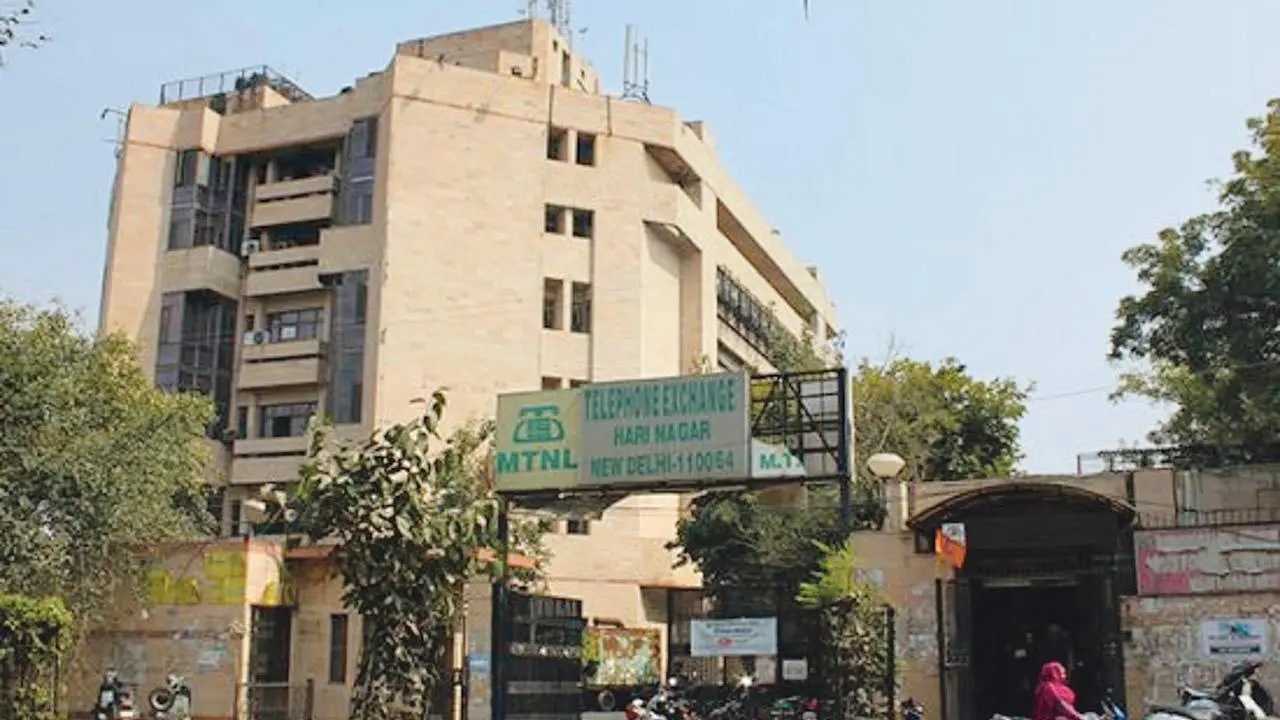
1. At a Glance – The Telecom Dinosaur That Refuses to Fossilize
MTNL is that one government relative who still uses a landline, refuses to upgrade to a smartphone, but somehow keeps getting financial support from the family. Except here, the “family” is the Government of India, and the “support” is thousands of crores of guarantees keeping the company breathing.
Let’s get this straight — a company with ₹198 crore quarterly revenue and ₹898 crore quarterly loss is not running a business… it’s running a financial bonfire.
Negative net worth of ₹29,723 crore, debt north of ₹36,000 crore, bond defaults, penalties, falling subscribers — this isn’t just a bad quarter, it’s a decade-long saga of slow-motion collapse.
And yet, the stock still exists. Still trades. Still has investors.
Question for you:
Are you investing… or just emotionally attached to a relic?
2. Introduction – The Telecom Story That Went Backwards
Once upon a time, MTNL was India’s telecom pride. 1986 launch. Delhi and Mumbai monopoly. Navratna status. Government backing. The whole VIP treatment.
Then came competition.
And MTNL responded like someone trying to fight 5G with a pager.
Over time:
- Private players expanded nationwide
- MTNL stayed limited to Delhi & Mumbai
- Technology evolved
- MTNL’s network… didn’t
Subscriber base dropped, revenue shrank, and the company entered what can only be described as a financial coma.
Even today, telecom operations in its own circles are being run by BSNL under a service agreement from January 2025.
So the obvious question:
Is MTNL even a telecom company anymore… or just a debt container with cables attached?
3. Business Model – WTF Do They Even Do?
Let’s simplify this.
Originally:
Now:
- BSNL runs operations
- MTNL collects limited revenue
- Government pays the bills (indirectly)
It’s like owning a restaurant where:
- Someone else cooks
- Someone else serves
- You just sit and count losses
They still technically provide:
- Fixed-line services
- Mobile services
- Broadband
But the reality?
Subscribers are declining, revenue is shrinking, and operational control is shifting.
So what’s the real business model?
👉 Survive long