01 — At a Glance
The Digital Payments Conglomerate That Finally Turned Profitable
- 52-Week High / Low₹1,382 / ₹652
- Q3 FY26 Sales₹2,194 Cr
- Q3 FY26 PAT₹225 Cr
- Q3 FY26 EPS₹3.52
- Annualised EPS (Q3×4)₹14.08
- Book Value₹240
- Price to Book4.33x
- Debt / Equity0.01x
- OPM %7.1%
- Operating Profit₹155 Cr
Backstage Auditor’s Note: Paytm just reported ₹225 crore PAT for Q3 FY26 — the third consecutive profitable quarter after years of losses. Revenues at ₹2,194 crore (up 20% YoY), operating profit at ₹155 crore (7.1% OPM), and payment processing margins finally holding above 4 bps. The stock is up 51.6% over the past year, trading at 123x P/E. But here’s the spoiler: a ₹80 crore PIDF subsidy is vanishing in Q4, management expects to absorb 30-40% of the impact through subscriptions, and investors are pricing in a smooth transition that might actually be messy. The market is cheering execution while overlooking the structural cliff.
02 — Introduction
From Zombie Unicorn to Profitable Mess
Paytm is the Indian fintech story that everyone has strong opinions about — and no one agrees. Six years ago, it was a unicorn on life support. Three years ago, it was a “too big to fail” narrative waiting for profitability. Two years ago, the RBI dropped a bomb on Paytm Payments Bank and everyone wondered if the company would survive. Today, it’s posting quarterly profits and the stock is up 51% in a year.
The transformation is real, but not the kind that fits cleanly into spreadsheets. Paytm has pivoted from trying to be everything — wallets, travel, lending, insurance, ticketing — to focusing on what actually makes money: merchant payments, merchant lending, and financial services distribution. It shut down its movie ticketing business, spun out its payments bank into a quasi-separate entity, and is now laser-focused on the cash-cow ecosystem it should have built six years ago.
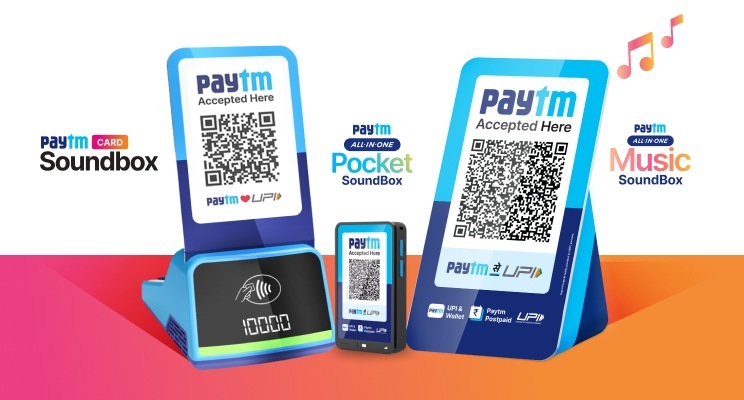
Q3 FY26 results deliver exactly what the market wanted: three consecutive profitable quarters, revenue growth at 20% YoY, and operating margins finally inflecting upward. But the February 2026 concall revealed something management strategically downplayed — the Payment Infrastructure Development Fund (PIDF) subsidy that helped subsidize merchant device rollout is ending. It was worth roughly ₹80 crore a quarter. And while management claims they can offset it, the math is messy and the margin compression is coming.
So here’s the question: Is Paytm finally a real company, or just a subsidized one that learned to say the right words to investors?
Concall Takeaway (Feb 2026): “We are not sitting here to take grants as our profit and revenue,” said management. Translation: We took grants, they made profit look bigger than it was, and now we have to actually earn money the hard way. Welcome to earnings maturity.
03 — Business Model: The Fintech Hydra
Too Many Tentacles, But Only Three Make Real Money
EduInvesting runs entirely on reader support — ₹360 a year keeps the lights on.