Patel Retail Ltd Q1 FY26 – Freshly Listed Kirana Kingpin with 22% ROE, 31x P/E, and More Private Labels than Reliance Fresh
1. At a Glance
Patel Retail just debuted on the bourses in August 2025 and already wants to look like the small-town cousin of Avenue Supermarts. With 43 stores across Thane–Raigad suburbs, ₹821 Cr sales in FY25, and a healthy 22% ROE, it’s punching above its retail weight. But before you assume this is the next D-Mart, note the sales CAGR of just 5% in five years. Essentially, profits are running marathons while sales are still waiting for the starter pistol.
2. Introduction
India loves its kirana stores. From the corner shop that gives you loose Parle-Gs to D-Mart aisles where middle-class families fight over buy-one-get-one Maggi, the retail game is both brutal and rewarding.
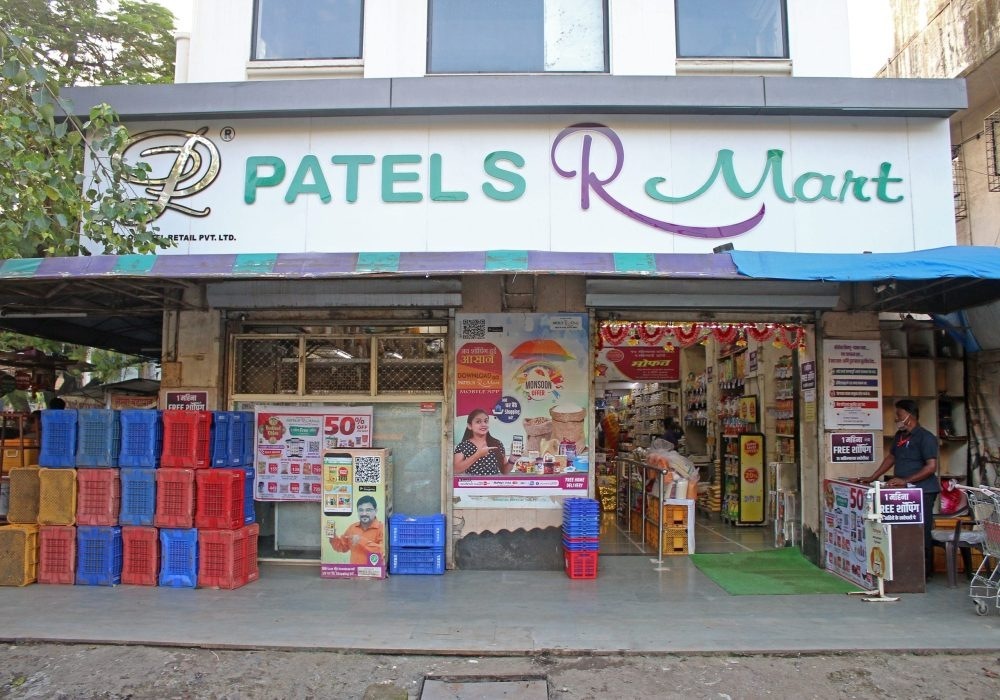
Patel Retail chose the “tier-III city + suburban cluster” model. Translation: no South Mumbai malls, only Ambernath-type streets where convenience is king. From its first Patel’s R Mart in 2008, the company has expanded to 43 stores and diversified into agro-processing, private labels, and even exports.
The IPO raised ₹230+ Cr in August 2025, with money earmarked for debt repayment (₹59 Cr) and working capital (₹115 Cr). Investors cheered, promoters kept 70% stake, and Patel’s R Mart became a listed supermarket chain.
The real story? Patel Retail is a hybrid beast—half retail chain, half agro-processor, half exporter. Yes, that’s three halves, but welcome to Indian SMEs.
3. Business Model – WTF Do They Even Do?
Patel Retail is not just about FMCG aisles and grocery bills. It runs on three cylinders:
Retail Business (45% of revenue): Patel’s R Mart stores, R Choice apparel shops, plus side-hustles like renting stalls to sandwichwalas and chaat counters. Basically, they earn when you shop, and when others sell snacks in their aisles.
Non-Retail Business (55%): Agro-processing of pulses, spices, peanuts, fruit pulps, plus cold storage. They also export products to 35+ countries. So, if you spot “Indian Chaska” masala in a London shop, don’t be surprised.
Private Labels: Patel Fresh (pulses, ready-to-cook), Indian Chaska (spices, ghee, papad), Blue Nation (menswear), Patel Essentials (home products). Private labels = higher margins, but execution risk if customers don’t trust the brand.
Cluster-based expansion + online delivery app = They want to be the “D-Mart of small towns” but with a desi twist: chaats inside, exports outside.