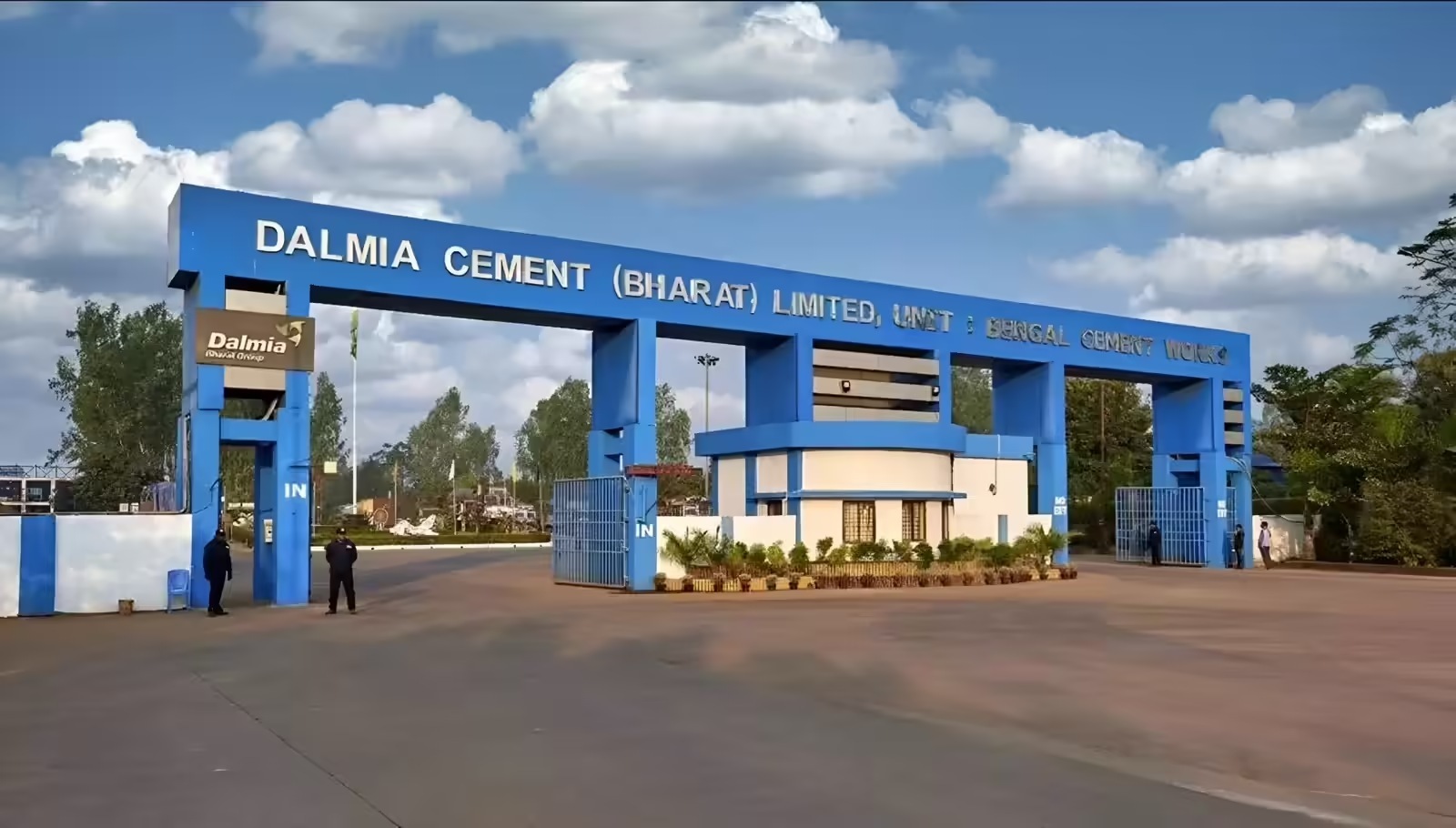
Dalmia Bharat Ltd Q1 FY26 – Cementing a Future with 70% Profit Jump, 24% OPM, and ₹6,800 Cr Capex Binge
1. At a Glance
Dalmia Bharat just reported Q1 FY26 with the kind of numbers that make Ambuja and ACC sweat in their kilns—PAT up 70% YoY, operating margin at 24% (cement companies usually live between 15–20%), and EBITDA of ₹883 Cr. But before you clap too hard, remember this is cement: margins crumble faster than a Parle-G dipped in hot chai. Add ED orders, West Bengal incentive revocations, and a ₹6,800 Cr capex shopping spree—this isn’t just a cement company, it’s a daily soap.
2. Introduction
Started in 1939, Dalmia Bharat is the 4th largest cement maker in India, holding a market cap of ₹45,000 Cr. With brands like Dalmia DSP, Konark, and Supreme, they’ve made sure your local thekedar says “Sir, only Dalmia, sabse mazboot.”
Yet, behind the glossy branding lies a company juggling multiple dramas: capacity expansions across states, disputes with West Bengal over ₹236 Cr incentives, and the Enforcement Directorate sniffing around with a ₹793 Cr provisional attachment order.
Cement is a boring commodity on the surface, but in India, it’s the backbone of everything from Ambani’s Antilia basements to rural PMAY housing. Dalmia knows this and is aggressively chasing capacity—aiming for 110–130 MnT by FY31 from 49.5 MnT today. Translation: “We want to become UltraTech when we grow up.”
The catch? Realisation per ton has fallen from ₹5,140 (FY23) to ₹4,610 (FY25), EBITDA/Ton is shrinking, and capacity utilisation has dropped to 63%. They’re growing size, but profits are sweating in the summer sun.
3. Business Model – WTF Do They Even Do?
No mystery here—cement. The most unglamorous yet indispensable commodity. But Dalmia plays it smart by splitting into multiple flavors:
OPC (15%): Your basic cement—like plain dosa.
PPC (42%): Blended with fly ash—cheap and eco-friendly, India’s favorite.
PCC (31%): Composite mix, a rising star.
PSC (12%): Slag-heavy cement, where Dalmia is a top producer.
Retail brands (DSP, Supreme, Konark) target masons and contractors, while institutional brands (InfraPro, InstaPro) supply highways, metros, and fancy projects.
Their differentiation trick? 84% blending ratio (highest in India). Basically, more blending = less clinker = cheaper costs = better margins. Cement is cement, but Dalmia figured out how to sell it as “premium.”
But here’s the catch—cement demand depends on infra spending and monsoon moods. When the government delays projects, cement companies look like students waiting for exam results—nervous and broke.