1. At a Glance
₹304 crore market cap. A stock that once flirted with ₹19 and then face-planted to ₹6, now sitting at ₹8.39 and pretending nothing happened. Over the last three months, the share price is up ~21%, while the one-year return is a brutal -53%. This is what emotional whiplash looks like in equity form.
Latest quarter numbers are where the drama begins. Q3 FY26 revenue came in at ₹51.8 crore, up nearly 58% YoY. Quarterly PAT is ₹1.62 crore, a clean 108% YoY jump. Suddenly, a company that spent years perfecting the art of small losses is back in profit, at least for now. Operating margins this quarter are lower at ~9.1%, but the topline growth is loud enough to distract investors who don’t zoom out.
Debt sits at ₹126 crore, promoter holding at ~47.5%, and yes, almost half the promoter stake is pledged. ROCE is a sleepy 4.68%, ROE is still negative, and interest coverage barely clears 1.2x. This is not a balance sheet that flexes at weddings.
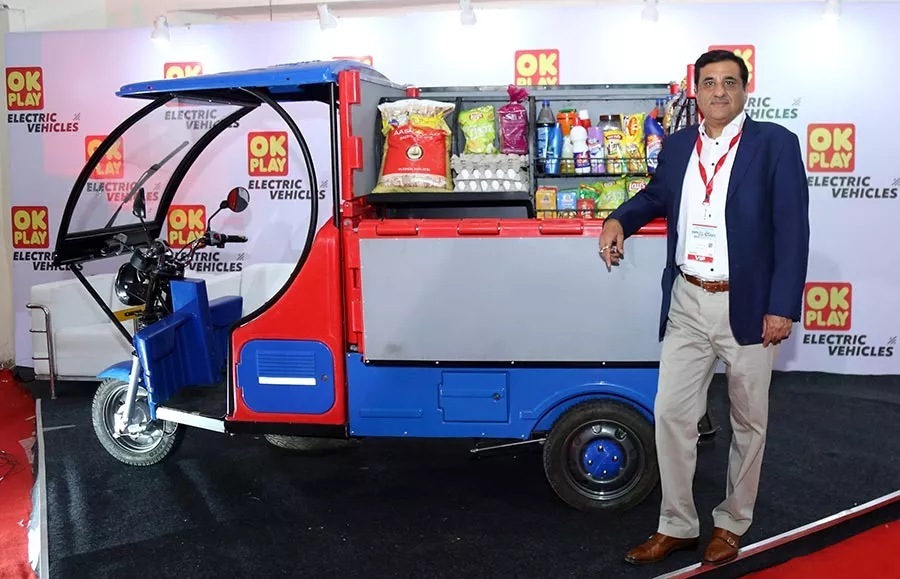
But here’s the hook: toys + auto fuel tanks + EV-adjacent logistics + a ₹100 crore toy capex plan + HPCL-linked LPG delivery ambitions. It’s chaotic, diversified, and oddly interesting. The question is simple: is this a messy turnaround story or just another quarter of good behaviour before old habits return?
2. Introduction
OK Play India is one of those companies that looks innocent on the surface—bright toys, playground slides, school furniture—until you open the financials and realise it’s been financially playing snakes and ladders for over a decade. Founded in 1988, the company has survived liberalisation, Chinese toy dumping, multiple auto cycles, and its own balance sheet decisions. Survival itself deserves a slow clap.
For years, OK Play lived in a strange zone. Too manufacturing-heavy to be a clean consumer brand. Too toy-focused to be taken seriously as an auto component pure-play. And too diversified to ever give analysts a clean narrative. Toys, fuel tanks, school desks, playground castles, portable toilets, EV three-wheelers—this company runs a portfolio that feels curated by a bored MBA student during a group project.
Financially, history hasn’t been kind. Losses pop up frequently, margins fluctuate wildly, and return ratios have mostly remained allergic to double digits. Yet the company refuses to die. Every few years, a policy tailwind, a capex announcement, or a new partnership revives interest.
Q3 FY26 is one such moment. Revenue growth is strong, profits are back, and management is talking about quadrupling toy capacity. The stock, beaten down and emotionally scarred, is listening carefully. The real question is whether this quarter marks a structural shift—or just another temporary glow-up before gravity returns.
3. Business Model – WTF Do They Even Do?
Explaining OK Play’s business model is like explaining a North Indian wedding menu. Everything exists, whether you asked for it or not.
At the heart of the company are plastic moulded products. That’s the common thread. From toys toddlers throw across rooms to fuel tanks that trucks trust with diesel, everything comes out of moulds.
Toys Division:
This is the soul of the brand. OK Play offers 75+ SKUs across preschool toys, ride-ons, indoor and outdoor playground equipment, school furniture, and themed collections like dinosaurs, robots, and castles. It sells to retail customers via dealers and institutions like schools, while also working with well-known names such as Hamleys and Amazon. The brand was originally acquired from OK Play UK, London, which still gives it a slightly global-sounding name despite being very desi in execution.
Automotive Division:
Here’s where seriousness enters the room. OK Play manufactures plastic fuel tanks, urea tanks, water tanks, bus seats, fenders, and cabin parts for commercial vehicles, tractors, and construction equipment. Clients include Ashok Leyland, JCB, Mahindra, Tata Hitachi, and others who don’t tolerate nonsense from suppliers. The company claims ~85% share in plastic fuel tanks, which—if sustained—is its strongest competitive moat.
The company has also partnered with Floteks (Turkey) for advanced COMPTANK fuel tanks and with Kohler (USA) for