At a Glance
The FMCG landscape is usually a slow-moving beast where a 2% to 3% volume shift is celebrated with vintage champagne. Not here. We are looking at a behemoth that has just shattered a 14-year record, posting a massive 26% revenue growth for the full year. This isn’t just a recovery; it is a structural breakout that should make every “legacy” competitor nervous.
The numbers are startling. In a sector where rural distress and “premiumization” are often used as excuses for stagnant growth, this company delivered a 7-year high in domestic volume growth at 8%. Even more aggressive is the international segment, which clocked a 14-year high constant currency growth of 20%. These aren’t just incremental gains; they are the result of a deliberate, almost surgical, diversification away from a single-commodity dependence.
But before you start hearing the harps of a financial heaven, look closer at the red flags. The EBITDA margins took a brutal hit, sliding down 265 basis points for the full year. Why? Because the raw material basket decided to go on a rollercoaster ride. Copra and vegetable oils—the lifeblood of their core products—saw steep hikes that tested the limits of their pricing power.
While the “Digital-First” brands are scaling like a tech startup on steroids, some are still in the “EBITDA bleed” stage. The management is playing a high-stakes game of “Digital Chess,” acquiring brands like Cosmix and 4700BC to fill white spaces. They are essentially betting that the profits from your grandma’s coconut oil will fund the high-growth, high-margin future of plant-based protein and gourmet popcorn.
Investors are flocking because of the 43% ROE and a massive 15,000 Cr revenue target for next year. However, the reliance on international markets like Bangladesh—now at 45% of their global mix—brings in geopolitical risks that no spreadsheet can fully quantify. They are gaining market share in 95% of their portfolio, but the cost of that dominance is a heavy spend on Advertising & Promotion, which grew 15% this year. The question remains: can they maintain this breakneck speed without blowing out their engine?
Introduction
Marico Limited isn’t just the “Parachute company” anymore. It has evolved into a global beauty and wellness powerhouse with a footprint in over 25 countries. From the bustling markets of Bangladesh to the high-tech retail landscape of Vietnam, Marico is proving that an Indian legacy brand can successfully export its playbook to emerging markets.
In the domestic market, they are the undisputed kings of the scalp and the kitchen. They hold a dominant 62% market share in Coconut Oils and a 41% share in Saffola Oats. But the real story is in the “New Age” Marico. They are aggressively moving into male grooming with Beardo, digital-first wellness with Plix, and healthy snacking with True Elements.
The core philosophy is simple: use the cash-cow legacy brands to fuel the growth of high-margin, digital-native brands. It’s a “two-engine” strategy. Engine 1 provides the stability and the reach (5.6 million outlets), while Engine 2 provides the growth and the premiumization.
Business Model – WTF Do They Even Do?
Marico sells you things you didn’t know you needed, wrapped in trust you’ve had since childhood. Their business model is a masterclass in Category Dominance.
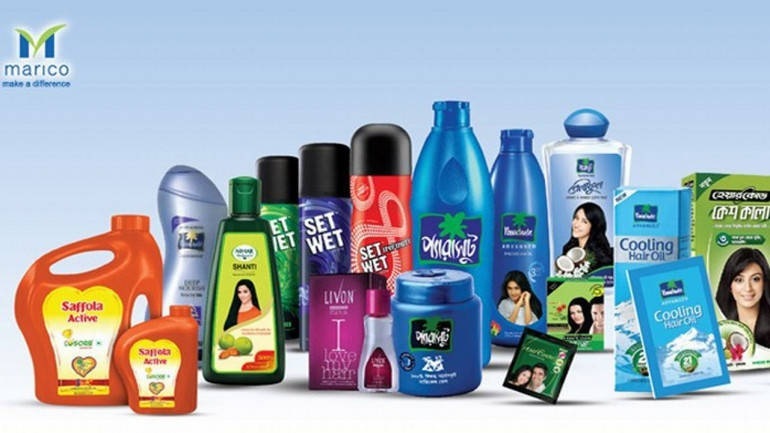
- The Cash Cows: Parachute and Saffola. These brands are essentially ATMs. People will buy Parachute regardless of whether the stock market is crashing or a meteor is approaching. It has a pricing inelasticity that is the envy of the sector.
- The Growth Engines (Foods): They took the Saffola name and moved from the frying pan to the breakfast bowl. Oats, honey, and now gourmet popcorn via 4700BC. They want to own your entire “healthy morning.”
- The Digital Darlings: This is the “Engine 2.” They buy or build brands that live on Instagram and Amazon first. Beardo for the guys who want to look like Vikings, and Cosmix for