Indian Bank Q4 FY26: The ₹11,707 Cr Profit and the Disappearing NPA Magic Trick
Date of Publishing -
Spotted a factual error — a wrong number, date, or fact? Tell us and we will check the source.
1 — At a Glance
Indian Bank wrapped up FY26 with a Net Profit of ₹11,707 Cr — a 39% jump over the previous year, driven by steady loan growth and a massive cleanup of the balance sheet. The gross non-performing assets (GNPA) fell from 3.09% to a highly respectable 1.98%, while Net NPAs are practically invisible at 0.15%. This is a bank operating with a 98.28% Provision Coverage Ratio (PCR). When a bank has provisioned for nearly every bad loan on its books, earnings quality takes a front seat. In banking, the cleanest balance sheets are built when nobody is looking.
However, beneath the headline victory lies a subtle margin squeeze. Net Interest Margins (NIM) moderated to 3.24% for the year, and management has explicitly guided for lower margins ahead due to elevated deposit costs. The bank sits on a comfortable Liquidity Coverage Ratio (LCR) of 127%, meaning it has the cash to navigate the deposit war, but the cost of that cash is rising. The tension here is classic: asset quality is pristine, but the cost of funds is slowly eating into operating leverage. We are looking at a fundamentally transformed balance sheet that is about to test its pricing power in a ruthless deposit market.
2 — Introduction
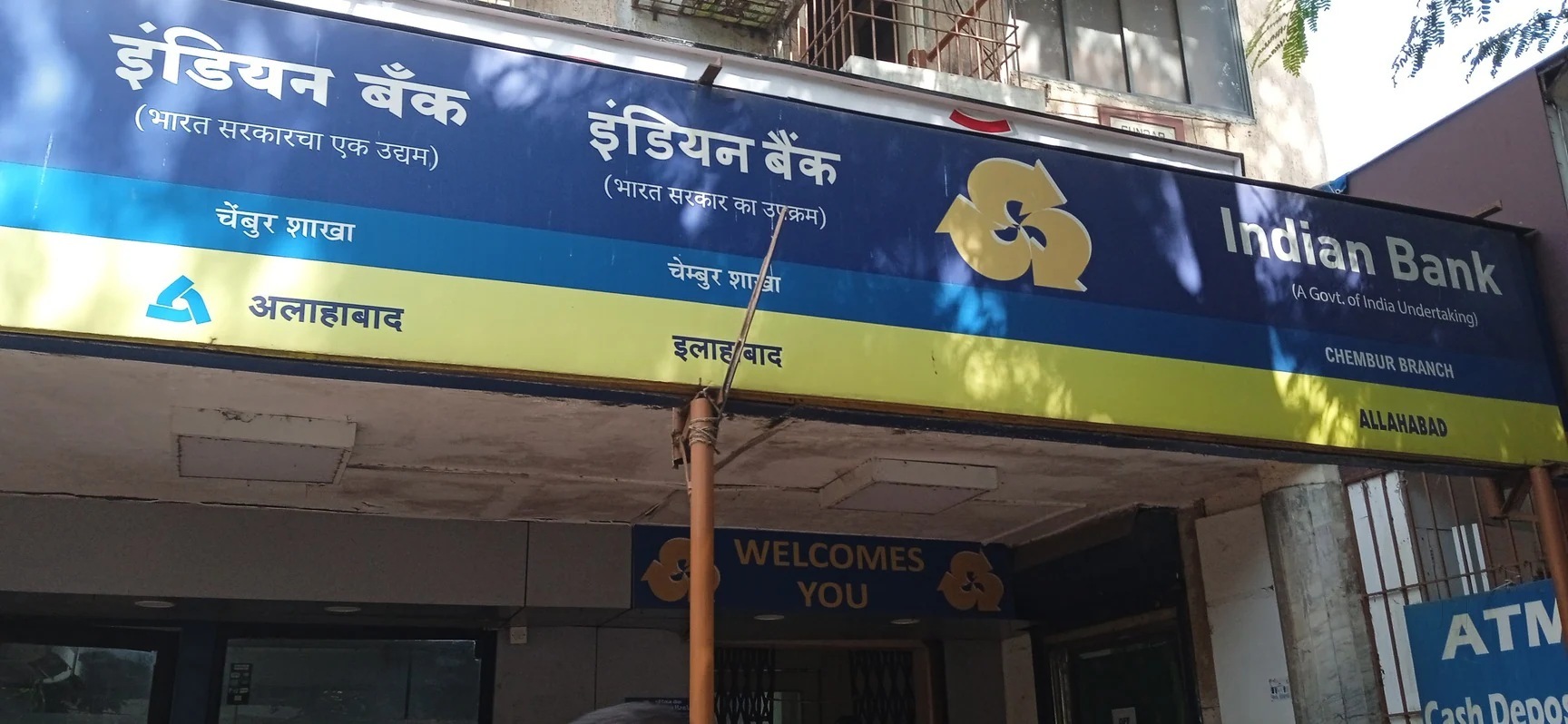
Indian Bank is the seventh-largest public sector bank in the country, boasting an asset base pushing ₹9.91 lakh crore. Born in 1907, it absorbed Allahabad Bank a few years ago in one of those government-mandated marriages that the market assumed would end in tears. Instead, it became an amalgamation success story that actually succeeded.
Today, it operates over 5,900 domestic branches and holds a solid 39.67% CASA ratio. The government owns nearly 74% of it, which provides the ultimate sovereign comfort blanket. It is a traditional lender attempting to play a modern digital game, balancing massive rural agricultural portfolios with aggressive corporate underwriting.
3 — Business Model: WTF Do They Even Do?
They take money at 4.97% and lend it out at 8.33%. It sounds simple until you look at the loan book. Indian Bank’s domestic advances are split across Retail (23%), Agriculture (25%), MSME (18%), and Corporate (34%).
But the real showstopper in the portfolio is the non-priority Jewel Loan segment, which surged an aggressive 90.88% YoY to ₹18,527 Cr. When your fastest-growing retail segment involves holding physical gold in exchange for cash, you are effectively running a highly sophisticated, multi-billion-dollar pawn shop. The management clearly identified where the easy yield was and hit the accelerator. Agriculture crop loans quietly grew 12.6% to ₹1,18,763 Cr, proving that while corporate loans make the headlines, farming credit pays the bills.
4 — Financials Overview
Figures are consolidated, in ₹ crore.
Metric
Q4 FY26
YoY
QoQ
Revenue
17,488
10.3%
2.2%
Operating Profit
6,255
15.9%
1.8%
PAT
3,174
6.4%
0.8%
EPS (₹)
23.56
–
–
Note: Operating profit here refers to the Financing Profit for the quarter.
The numbers reflect a steady cruise altitude, but the QoQ stagnation in profit is the subtle sound of deposit costs catching up. A 10.3% YoY revenue jump is excellent, but when the bottom line only moves 6.4%, the margin friction is visible. An expanding loan book is only as good as the spread it generates.
What is Management Promising in the Coming Quarters?
Management noted that “very few levers are left” for margin expansion, given that 50% of their loans are externally benchmark-linked. They are openly guiding for a sub-1% slippage ratio and a credit cost below 1%, projecting confidence in