Havells India Limited Mar 2026: The ₹283 Crore Solar Lifeline Shielding a Delayed Summer Slump
Section 1 — At a Glance
Havells India Limited closed the fiscal year ending March 31, 2026, with annual revenue touching ₹22,527.77 crore, up 3.44% from ₹21,778.06 crore in the previous fiscal year. Net profit for FY26 climbed 14.83% to reach ₹1,690.56 crore. However, beneath the smooth surface of these full-year headline printouts lies an extraordinarily uneven final quarter. Q4 FY26 revenue registered a modest growth of 2.47% YoY at ₹6,705.20 crore, while quarterly profit after tax surged a spectacular 39.63% YoY to ₹723.06 crore.
Investors tracking the FMEG giant’s core performance are currently witnessing a push-and-pull narrative. On one hand, institutional interest is drawn to a robust ₹283 crore unrealized fair value gain from a strategic renewable energy investment in Goldi Solar. This windfall single-handedly masked operational vulnerabilities in the consumer divisions. On the other hand, severe macroeconomic and climate roadblocks have triggered alarm bells. Unseasonal showers and a delayed onset of summer severely impacted channel inventory stocking for high-margin cooling segments like Lloyd air conditioners and consumer fans. Concurrently, severe input cost inflation arising from global disruptions in West Asia has forced aggressive price hikes. This has tested the limits of channel pricing pass-through and consumer demand elasticity.
In corporate earnings, paper gains from financial asset revaluations can temporarily beautify a profit and loss statement, but long-term market dominance requires consistent, raw product offtake at the dealer counter.
The unfolding market dynamics leave analysts probing whether Havells’ premium brand equity can absorb steep product cost escalations without relinquishing hard-won market share to aggressive lower-cost organized entrants.
Section 2 — Introduction
Havells India Limited stands as an established titan in India’s Fast-Moving Electrical Goods (FMEG) ecosystem. It commands robust manufacturing and distribution footprints spanning industrial circuit protection, consumer durables, domestic cabling, and domestic appliances. The publication of the latest financial results for the period ending March 31, 2026, marks a critical crossroads for the company. Over the past two fiscal years, the business has aggressively deployed heavy capital expenditure—including over ₹700 crore dedicated solely to expanding its power cable capacities across its Alwar and Tumakuru production hubs.
This article unpacks the underlying quality of Havells’ latest earnings report. It highlights why a headline spike in quarterly net profit is being treated with analytical caution by seasoned market watchers. Near-term corporate maneuvers underscore structural adjustments across management. These include the appointment of Manjit Singh Sethi as President of Cables and Reshu Madan as SBU Head. These changes coincide with a milestone trademark settlement asset payoff of ₹129.60 crore to HPL. The core focus now shifts to whether these intensive operational expansions can efficiently scale asset turnover, or if the business is setting up for a prolonged period of suppressed return ratios under a heavy under-utilized asset base.
Section 3 — Business Model: WTF Do They Even Do?
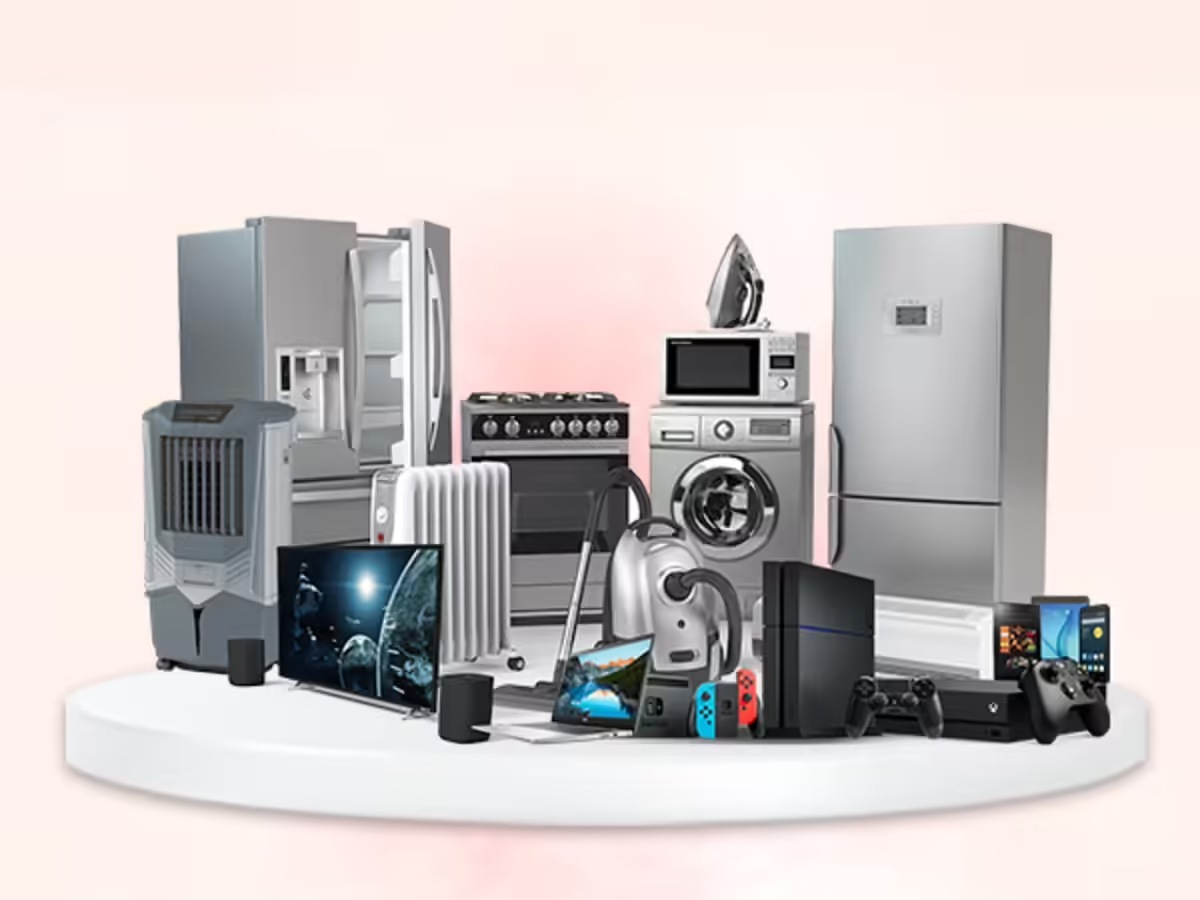
To the smart but leisurely investor, Havells is essentially a giant multi-headed electrical utility plug. It sells virtually anything that safely channels, controls, or consumes an electron inside Indian households and factories. The business operates across 24 distinct product verticals, organized under five primary business segments. Cables and wires form the structural backbone of the top-line, accounting for approximately 39% of total revenues in FY26. This is followed closely by the Lloyd Consumer white goods vertical at 18%, Electrical Consumer Durables (fans and water heaters) at 17%, high-margin Switchgears at 12%, and Industrial Lighting at 7%.
The company drives structural competitive advantages by controlling its supply chain. It manufactures roughly 90% of its massive product portfolio completely in-house across 17 specialized domestic manufacturing centers. To offload this relentless production output, Havells manages a sprawling physical distribution pipeline. It directly services 18,000 dealers and maintains a commercial retail reach across 2.47 lakh local outlets. It has also opened 600 exclusive “Havells Utsav” stores targeting rural sub-10,000 population towns. While it successfully operates premium brands like Crabtree and Standard, it continues to burn cash on client acquisition. It spent an intense ₹602 crore on advertisement and sales promotion exercises in FY26 alone to keep its brand visibility high.
Section 4 — Financials Overview
Figures are consolidated, in ₹ crore.
Comparison Table
Metric
Latest Quarter (Mar 2026)
YoY (%)
QoQ (%)
Revenue
6,705.20
2.47%
19.99%
EBITDA / Operating Profit
729.44
14.94%
41.33%
PAT
723.06
61.87%
140.40%
EPS
₹11.53
61.71%
140.21%
Note: The quarterly financial metrics above trace exactly to the historical quarters table. The quarterly PAT surge includes the impact of non-operating investment gains.
The sequential acceleration from December 2025 looks spectacular on paper, but the year-on-year revenue stagnation reveals a deeply compromised consumer retail environment. While industrial-linked cabling demand remained structurally resilient, the higher-margin domestic consumption verticals underperformed due to delayed weather tailwinds.