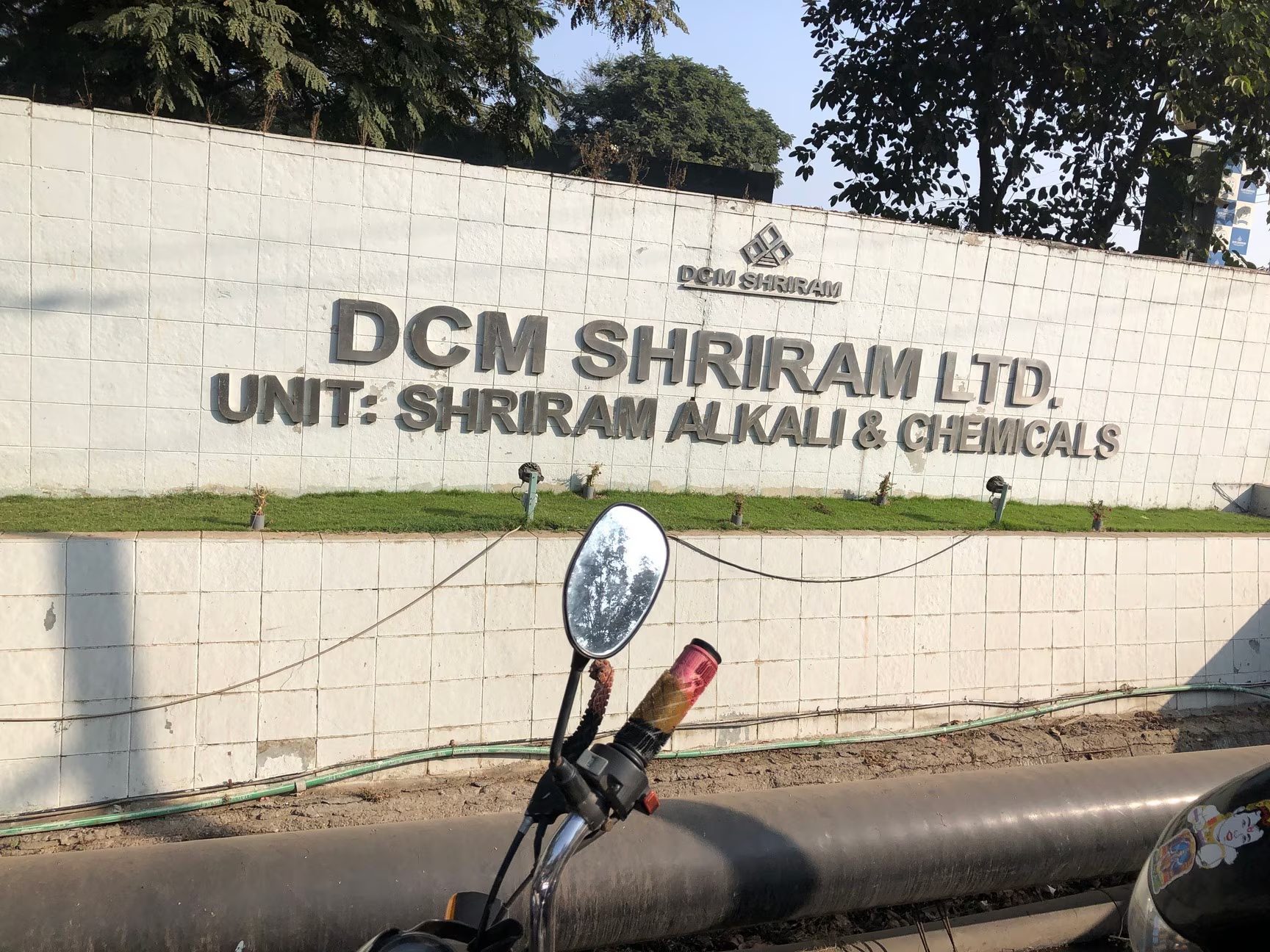
DCM Shriram Fine Chemicals FY26: A Bitter Aftertaste in the Fine Chemicals Kitchen
Section 1 — At a Glance
The fine chemicals business has a reputation for high barriers to entry, but it also carries a sharp reminder that operational leverage cuts both ways. For the fiscal year ended March 31, 2026, standalone revenues fell by 10.20% to ₹385.55 crore, down from ₹429.37 crore in the previous fiscal year. This top-line contraction translated into severe margin compression. Standalone operating profit plummeted from ₹33.37 crore to ₹3.40 crore, while the bottom line swung heavily into the red with a net loss of ₹3.52 crore against a net profit of ₹19.18 crore in FY25.
Investor attention is heavily divided. On the positive side, the balance sheet remains virtually free of long-term term debt, backed by an adequate cash and bank buffer of ₹36.68 crore and liquid mutual fund investments of ₹33.34 crore. However, severe margin deterioration driven by falling product realisations and elevated input costs in key raw materials—namely methanol and toluene—remains a core worry. A business can easily survive a temporary drop in volumes, but when pricing power erodes while input costs remain volatile, structural return ratios take a direct hit. The recent listing following the corporate demerger offers an independent corporate vehicle, but it arrives exactly when the global specialty chemicals cycle is testing the resilience of even the most established players.
Section 2 — Introduction
DCM Shriram Fine Chemicals Limited recently emerged as a standalone entity on the public bourses following a comprehensive corporate restructuring. Under the National Company Law Tribunal approved composite scheme of arrangement, the chemicals undertaking was carved out from DCM Shriram Industries Limited into this distinct listed corporate vehicle.
This article exists to evaluate the financial reality of this newly independent business. While the listing provides clean access to a pure-play intermediates manufacturer, it also pulls back the curtain on an operational rough patch. The strategic intent behind the demerger was to unlock distinct shareholder value and create a focused management framework. However, the timing of the transition has forced the business to navigate its initial quarters as an independent listed company during a cyclical downturn in its core product lines.
Section 3 — Business Model: WTF Do They Even Do?
To the smart but uninitiated investor, this company acts as an essential backend kitchen for the global pharmaceutical and agrochemical industries. It operates an industrial plant capacity of 21,463 tonnes per annum, converting basic hydrocarbons like toluene into specialized chemical intermediates.
Its primary outputs include niche molecules such as alpha phenyl glycine chloride hydrochloride, para hydroxy phenyl glycine, and sodium phenoxy acetate. If those names sound overly technical, their utility is straightforward: they are critical intermediate building blocks used to manufacture high-volume synthetic antibiotics like amoxicillin, ampicillin, and cephalexin. The company also manufactures intermediates on a contract basis for global and domestic pharma majors, reducing its single-sector reliance by feeding into agrochemicals, perfumery, and flavors. It is a high-volume, precision game where your customer’s regulatory approvals tie them tightly to your supply chain, though your own profitability remains strictly bound to global raw material spreads.
Section 4 — Financials Overview
Figures are consolidated, in ₹ crore.
Comparison Table
Metric
Latest Quarter (Mar 2026)
YoY (Mar 2025)
QoQ (Dec 2025)
Revenue
93.08
113.09
96.95
EBITDA / Operating Profit
-2.51
7.63
0.32
PAT
-3.83
4.42
-1.49
EPS (₹)
-0.44
0.44
-0.17
The financial trajectory across the last few quarters highlights an accelerating operational squeeze. Revenue for the quarter ended March 31, 2026, dropped 17.69% on a year-on-year basis to ₹93.08 crore. More concerning is the collapse in operating profitability; the company slipped into an operating loss of ₹2.51 crore during the final quarter, down from a positive operating profit of ₹7.63 crore in the corresponding quarter of the previous year. Quarterly earnings visibility often fluctuates, but persistent compression across sequential quarters typically signals that realisations are falling faster than fixed overheads can be rationalized.