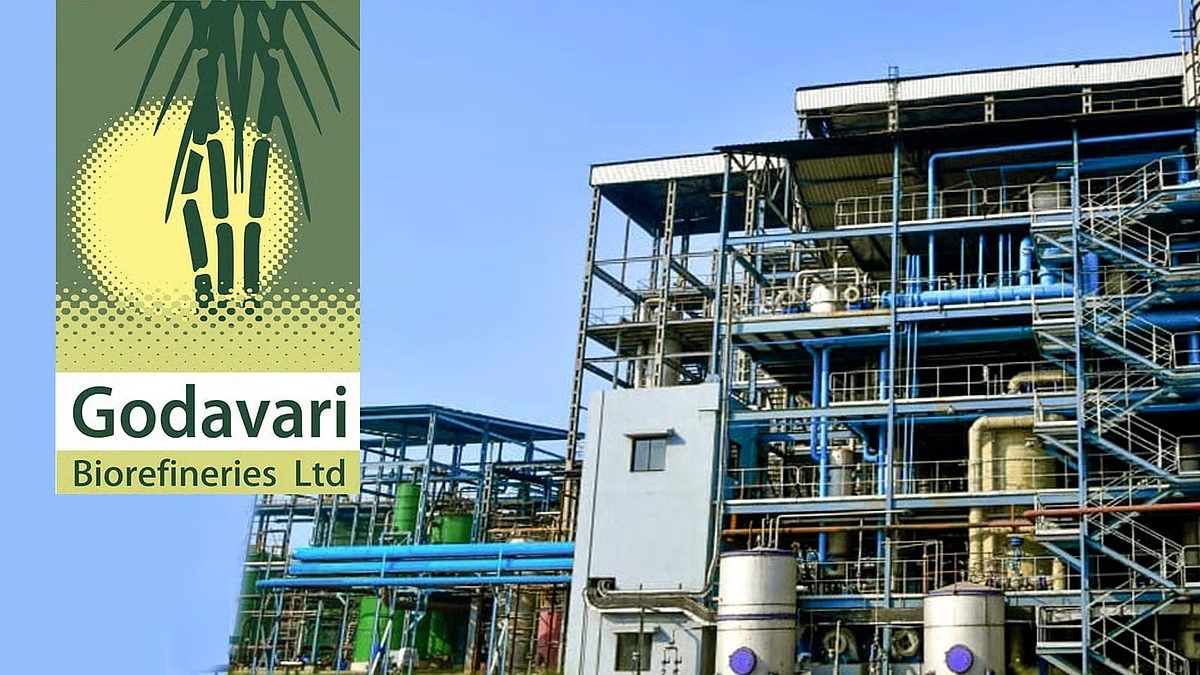
Godavari Biorefineries Q4 FY26: A ₹3.5 Crore Net Profit Miracle Powered by Oncology Patents and Ethanol Pivot
Section 1 — At a Glance
Godavari Biorefineries Limited concluded FY26 on a note of operational restructuring, balancing structural margin pressures within its core agrarian segments against high-value transitions in green chemistry. Total operating income for the full year reached ₹1,987.94 crore, representing a modest 6.29% growth over the previous year, as regulatory constraints on domestic feedstock diversion and an escalating sugarcane price regime capped the traditional commodity business. However, the company achieved a critical bottom-line turnaround, posting a full-year consolidated net profit of ₹3.50 crore, recovering from a severe net loss of ₹23.41 crore in FY25. This pivot was primarily driven by a 15.8% expansion in EBITDA to ₹139.30 crore, aided significantly by an optimized product mix within the bio-based chemicals division.
Despite the annual recovery, structural dependencies on government policy and severe seasonal working capital strains continue to weigh on capital efficiency. The company’s Return on Capital Employed (ROCE) remained stagnant at 6.55%, while Return on Equity (ROE) stood at a muted 4.28%. Inventory levels surged to ₹775.80 crore by the end of March 2026, tying up massive amounts of liquidity and keeping operational cash flows highly sensitive to the sugar production cycle. Meanwhile, capital expenditure towards the long-delayed grain-based distillery pushed long-term borrowings upward, elevating execution risk. Corporate financial strength is fundamentally an optimization equation between high-yielding assets and the carrying cost of slow-moving inventory. Investors are now forced to evaluate whether the company’s frontier innovations in oncology patents and bio-butanol partnerships can scale quickly enough to offset the structural drag of its heavily regulated, asset-heavy agricultural core.
Section 2 — Introduction
Godavari Biorefineries Limited, established in 1939 under the Somaiya Group, has spent nearly nine decades transitioning from a traditional, cyclical sugarcane crushing mill into a highly integrated bio-refinery network. Operating processing infrastructure at Sameerwadi, Karnataka, and a dedicated chemical manufacturing facility at Sakarwadi, Maharashtra, the company processes agricultural biomass into sugar, ethanol, co-generation power, and bio-based platform chemicals. While the legacy business remains anchored to domestic sugarcane cultivation, recent strategic milestones highlight an aggressive pursuit of frontier intellectual property, including global oncology molecule patents and high-value chemical out-licensing models.
Section 3 — Business Model: WTF Do They Even Do?
To the uninitiated, Godavari Biorefineries looks like a standard sugar mill wrapped in a very expensive green public relations blanket. In reality, management is attempting a complex game of molecular musical chairs—taking a single stalk of sugarcane and squeezing out everything from kitchen table sweetness to high-end cosmetic intermediates. The business model is split across three uneven legs: Sugar and Co-generation (42% of 9M FY25 revenue), Ethanol and Distillery (27%), and Bio-based Chemicals (32%).
When the domestic sugar cycle behaves like an errant child, the company leans into its chemical division, where it enjoys status as one of only two global manufacturers of natural 1,3 Butylene Glycol—a premium ingredient found in high-end personal care products. On the mass-market end, they run “Jivana,” an in-house retail brand selling packaged sugar, salt, and turmeric across 7,500+ grocery stores. It is an extraordinary operational spectrum: they will gladly sell a packet of salt to a household in Maharashtra for a few rupees, or pitch a patented, small-molecule cancer inhibitor out of their Princeton-based subsidiary to a global pharmaceutical conglomerate. It is less of a stable business model and more of a venture capital fund trapped inside a heavy manufacturing plant.
Section 4 — Financials Overview
Figures are consolidated, in ₹ crore.
Metric
Latest Quarter (Q4 FY26)
YoY (%)
QoQ (%)
Revenue from Operations
564.10
-2.7%
22.7%
EBITDA / Operating Profit
92.10
-24.3%
104.2%
PAT
52.90
-26.5%
537.3%
EPS (₹)
10.33
-33.5%
541.6%
Did Management Walk the Talk?
Reviewing past commitments reveals a mixed operational report card. Management previously targeted the commercialization of its highly anticipated 200 KLPD corn and grain-based distillery for Q4 FY26, a critical initiative designed to hedge against the cyclicality of sugarcane crops and volatile molasses availability.
During the latest earnings conference call, the CEO explicitly acknowledged an execution delay, noting:
“Grain-based facility commercialization was expected in this quarter, delayed due to receipt of equipment from the vendor.”
The commercialization timeline has now been pushed back to Q1 FY27, with vendor shipments expected to land at the plant site by mid-quarter. On the financial restructuring side, however, management delivered cleanly on its deleveraging targets. Utilizing