Freshara Agro Q4/FY26 Concall Decoded: ₹353 Crore Revenue, Spanish Olives, and a Seasonality Story That Never Ends
General information and entertainment, not investment advice. The author is not a SEBI-registered adviser or research analyst. No recommendation, no promised returns. Markets carry risk including loss of capital. Figures may not be current. Consult a registered adviser before acting.
1. Opening Hook
Freshara Agro did what Indian exporters dream of: bought a 58-year-old Spanish olive brand, Sarasa, and spent two months turning its loss-laden operations into profit. Consolidated revenue hit ₹353 crore in FY26—up 34.6% year-on-year—with a PAT of ₹37.51 crore. The gherkin core remains solid. The Spanish adventure is real. And management spent an entire concall explaining why the cash flow looks like a underwater swimmer holding his breath.
₹37.51 Cr, ~10.6% (India standalone: 11.55% PAT margin)
H2 Revenue
₹212 Cr with PAT ₹22.6 Cr—momentum intact
Gherkin Exports
43,600 MT; ₹268 Cr revenue; 80–86% of sales
Spain Sarasa Revenue
₹28.75 Cr in 8 weeks; management targets ₹200+ Cr in FY27
Spain Current PAT Margin
4–5% (management targets 8–10% by FY27, then 12–14% EBITDA)
FY27 Consolidated Guidance
₹575 Cr (₹400 Cr India + ₹200 Cr Spain, “conservative”)
Inventory & Receivables
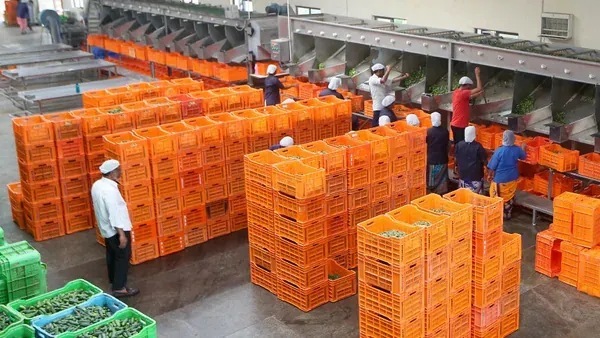
Spiked year-end; seasonal crop arrival Jan–Mar, sold Apr–May; pre-emptive raw-material buy for war hedging
Cash Flow
₹-108 Cr free cash flow in FY26; management expects positive by FY27 as season normalises
3. Management’s Key Commentary
On the Spanish acquisition—why buy instead of build:
“Building a comparable platform independently would require years of investment, regulatory approval, certification, customer acquisition efforts, and substantial capital expenditure. Through Sarasa, we acquire in one transaction what would otherwise take a decade to build.”
(Translation: We could waste five years and ₹150 crore building it ourselves. Or buy a brand that’s been around since 1968, with olive pedigree, existing supermarket slots, and a plausible turnaround. We chose the latter.)
On cost advantage vs. competitors:
“I feel we are now head to head with Global Greens, and Reitzel has kind of dropped compared to us… our costs are any day better than them, because they have a European management in India and they have very high cost output. We, on the other hand, have a very lean cost output… we have a 6–7% margin difference between us and them.”
(Translation: Reitzel manufactures 70% in-house and keeps only 30% of the world. That’s expensive. We’re lean. We’re beating them on margin.)
On Sarasa’s turnaround from near-bankruptcy:
“Sarasa, before last year, they were actually profitable. The company weathered out due to a family problem… Nobody wanted to participate in the business… we didn’t buy the company, we just bought the assets, right? So it’s a zero start, but it comes with an advantage of a brand and a large olive market.”
(Translation: Family feud killed the business, not the olive market. We took the assets, shed the legacy costs (₹35 crore in people the old owners couldn’t afford to fire under EU labour law), kept the brand, and started from zero with a profitable industry underneath us.)
On inventory spikes and raw-material hoarding:
“In Q4, all the 4,000-plus farmers contribute to us. Our yields have kind of doubled. This three-month crop is used to service the next six, seven months… we also tried to accumulate a little more inventory because we know the El Niño effect will take place… a lot of plastic manufacturing companies, glass manufacturing companies, all of them had told an escalation will happen. We had open contracts with us, and we tried to buy out everything which they had. It gave us about 15–20% savings on the raw material.”
(Translation: Q4 is harvest. We pre-emptively bought 15–20% cheaper packing material in Feb–Mar ahead of a supply crisis (jars, plastic) that did happen. We’re now using that stockpile to avoid price hikes to customers. It’s strategic, not sloppy. One jar maker shut down furnaces until July; the other raised prices 30%. We ducked both.)
On FY27 guidance conservatism:
“I would want to be conservative and try to give a better number when the results come up. So that’s been my strategy throughout… I’m also entering a new country. I’m trying to make good out of it.”
(Translation: Why promise 600 crore when I can say 575 crore, deliver 620, and look like a hero? I’m not over-promising Spain until I’ve stabilised it.)
On B2C vs. B2B mix:
“Eventually, eventually that will be equal. One-third of my volume, they [Sarasa] can reach my turnover, actually, because the cost of olives and selling price of olives is almost 3x the times of Gherkins… the Spanish company is not doing B2B business, and we want to introduce them to B2B business as well, because that’s a volume business.”
(Translation: Olives sell for 3x gherkins. So Sarasa doing ⅓ the gherkin volume can match revenue. We’ll introduce them to B2B—they don’t know it exists. In a couple of years, B2C and B2B are 50–50.)
On El Niño and yields:
“El Niño is kind of a benefit to the agri community because it doesn’t allow prices to go down; it allows prices to scale up, so profitability during El Niño