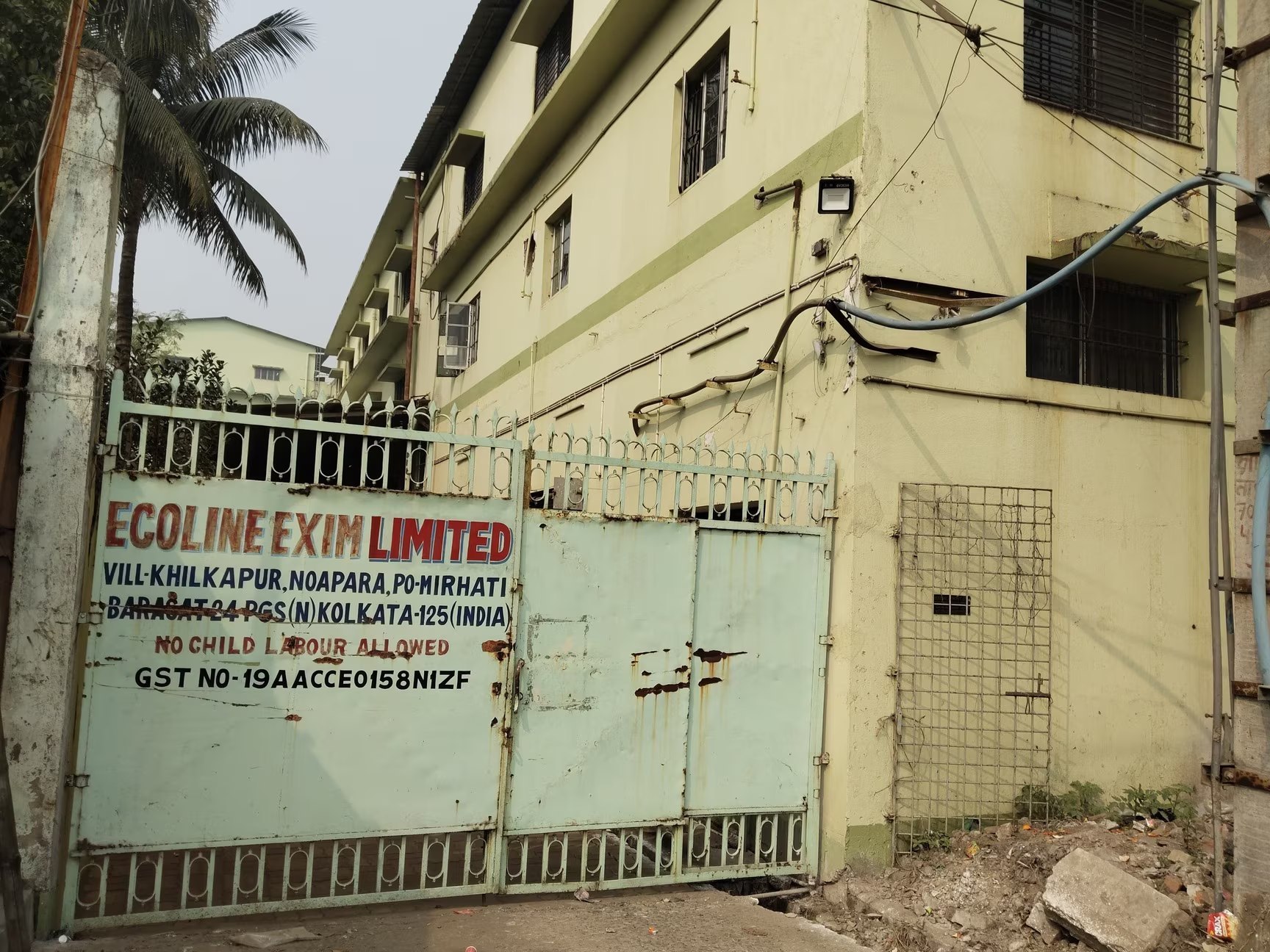
At a Glance
Ecoline Exim is currently a company in a high-stakes transition. While the surface-level numbers show a steady ship, the underlying mechanics reveal a business pushing its absolute physical limits. Operating as a 100% Export Oriented Unit (EOU), the company is effectively a gateway for Indian sustainable textiles to reach the shelves of European and American retail giants. However, they have hit a “capacity ceiling” with utilization at 95%, forcing them to either turn away business or sacrifice margins through outsourcing.
The most intriguing—and perhaps concerning—metric is the Working Capital Cycle. Global shipping delays have stretched their cash conversion to 160 days. In plain English: their money is currently stuck on ships in the middle of the ocean. While the order book is robust at ₹102 crore, the sudden resignation of the CFO in May 2026, right as the ₹70 crore Ahmedabad capex enters its most critical phase, creates a narrative of internal flux that investors are watching closely. The company is gaining attention because it is moving from being a simple stitcher of bags to a vertically integrated manufacturer, but the execution risk has never been higher.
Introduction
Ecoline Exim’s journey from a 2008 startup to a listed entity on the NSE SME Emerge platform is a classic scale-up story. They have carved out a niche in sustainable packaging, a sector that is no longer a “luxury” but a regulatory mandate in their primary markets like the EU and USA.
The company doesn’t just sell jute or cotton bags; it sells a compliance ecosystem. With certifications like GOTS, Fairtrade, and GRS, they have built a moat that prevents smaller, unorganized players from snatching their Tier-1 global retail clients. However, as they scale, the complexity of managing a global supply chain from West Bengal to 30+ countries is testing their operational grit.
Business Model – WTF Do They Even Do?
Think of Ecoline as the high-end tailor for the world’s supermarkets. They operate in two main buckets:
- Functional (83.3%): The heavy lifters. These are the reusable bags you buy at a grocery store in Germany or Spain. High volume, steady business.
- Promotional (16.7%): The “fancy” stuff. Bags for corporate events, gifting, and brand launches. Lower volume, but much tastier margins.
They are currently trying to break their “one-trick pony” image by moving into polyester bags and hand towels. The