Ladies and gentlemen, welcome to one of the most dramatic BSE soap operas.
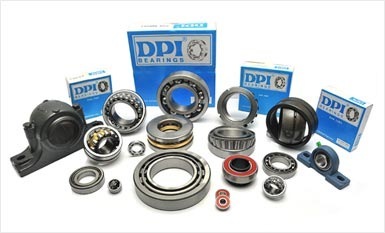
Deccan Bearings Ltd trades ball and roller bearings for automobiles. Sounds boring? Perfect. Boring businesses usually make money quietly.
Except… this one didn’t. For years.
Then suddenly, in Q3 FY26 (Dec 2025 quarter), sales jumped to ₹19.02 Cr after multiple quarters of zero revenue. Profit turned positive at ₹0.15 Cr. EPS? ₹0.08 for the quarter.
Meanwhile:
ROE: -127%
ROCE: -127%
Price to Book: 33.6x
Debt: Just ₹0.03 Cr (almost zero)
3-month return: 159%
1-year return: 220%
And the biggest twist? Promoters reduced from 71% to 0.10%.
You’re not reading a financial report. You’re reading a corporate thriller.
Ready to investigate?
2. Introduction – From Dead Stock to Drama King
For almost a decade, this company looked like a relic from another era.
Revenue shrinking. Losses mounting. Operating margins so negative they looked like exam scores of someone who forgot to write their name.
Between FY22 and FY25:
Sales nearly vanished.
Net losses continued.
Equity reserves went deep into negative territory.
Then 2025 happened.
Open offer at ₹10. Promoter reclassification. Board reshuffle. Name change proposal to “Satani Bearings.” New Managing Director appointment.
And suddenly, Q3 FY26 shows ₹19.02 Cr revenue out of nowhere.
Is this revival? Reverse takeover? Strategic pivot? Or just timing magic?
You tell me.
Because the numbers before December 2025 show almost nothing. Then suddenly — boom.
Have you ever seen a company sleep for years and wake up like this?
3. Business Model – WTF Do They Even Do?
Let’s simplify.
They trade bearings. That’s it.
No fancy AI. No EV battery patents. No hydrogen buzzwords.
They deal in:
Taper Roller Bearings
Cylindrical Roller Bearings
Needle Bearings
Water Pump Bearings
Clutch Bearings
Steering Bearings
Spherical Roller Bearings
65% demand comes from OEMs. The rest from aftermarket and exports.
So they are basically middlemen between manufacturers and automobile players.
No manufacturing plants mentioned. No large capex. No complex R&D.
Translation: Low asset business. Low capital intensity. Low moat.
But potentially high trading leverage — if volume scales.
Now here’s the question: If they were always in this business… why were revenues near zero for multiple years?
Was business inactive? Were they restructuring? Was something else brewing?