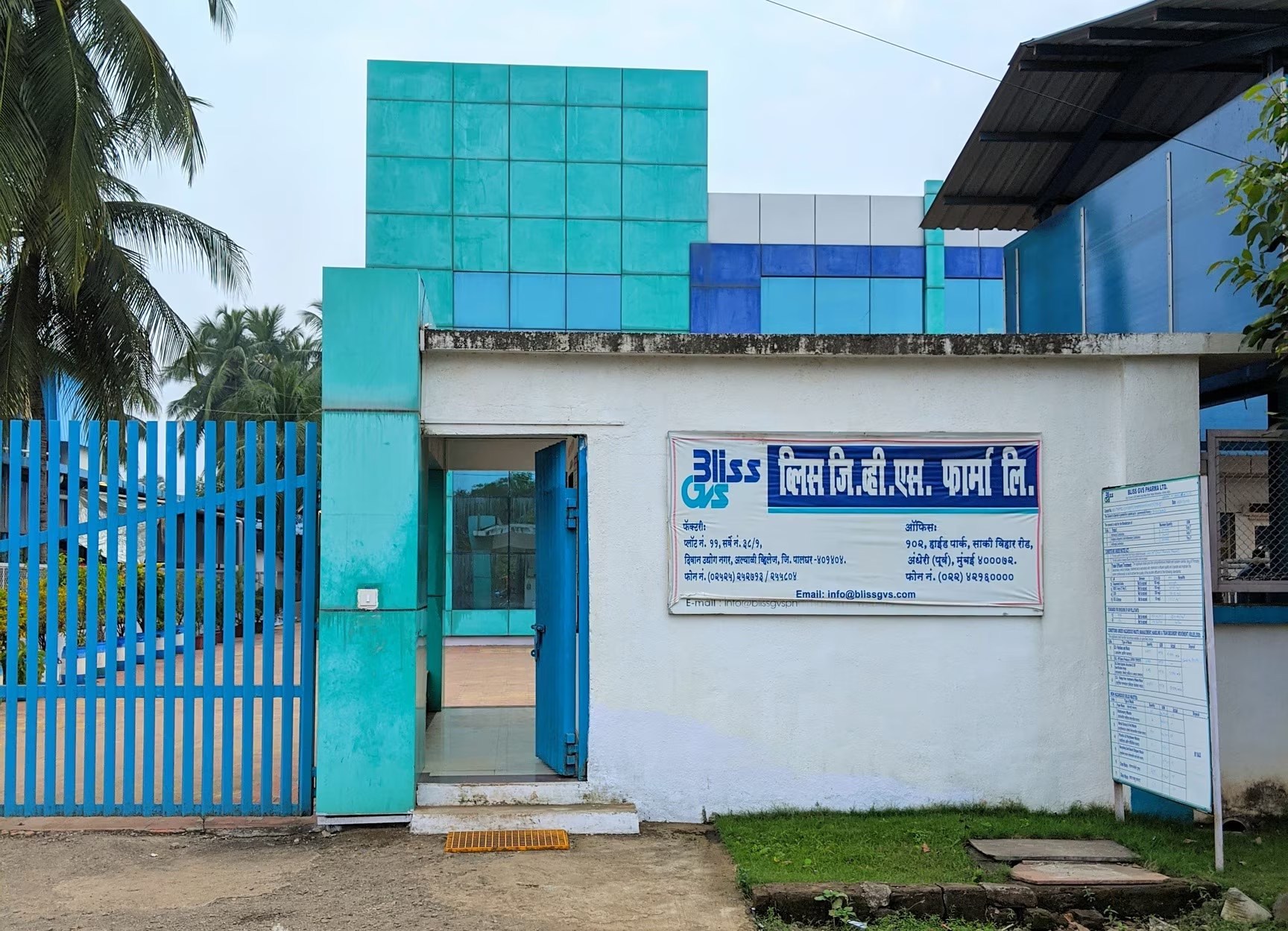
1. At a Glance – Suppository Specialist With a 32% Sprint
Bliss GVS Pharma is currently trading at ₹223, giving it a market cap of ₹2,361 crore. In the last 3 months alone, the stock has jumped 32.4%, and over one year, it has delivered a spicy 55% return. Not bad for a company that makes suppositories and pessaries — products that nobody talks about at dinner but everyone needs at some point.
Latest quarterly sales stand at ₹218 crore, with PAT at ₹24.7 crore. OPM sits at 16%, ROCE at 11.7%, and ROE at a modest 8.36%. Debt-to-equity? A tiny 0.05. Essentially almost debt-free.
But wait — five-year sales growth is just 3.27%, and ROE over 3 years is under 9%. So is this a slow-and-steady pharma exporter quietly compounding? Or a company that occasionally surprises like a surprise tax notice?
And yes… they earn ₹71.9 crore in other income. We will come to that drama.
2. Introduction – From India to Africa, via a Suppository
Bliss GVS Pharma was incorporated in 1984. While most pharma companies chase tablets, injectables, and fancy oncology molecules, Bliss built its throne on suppositories and pessaries.
Yes. That niche.
It manufactures and exports more than 150 branded formulations across 60+ therapeutic segments. From anti-malarials to anti-fungals to contraceptives — they’ve built a portfolio that screams “emerging market essentials.”
The twist? 94% of revenue comes from exports, and about 75% of total revenue comes from African countries.
So technically, this is not just a pharma company.
It’s an Africa-focused pharma exporter wearing an Indian passport.
And Africa’s anti-malarial market? That’s where its flagship brand Lonart plays. WHO-endorsed. Strong regional presence.
But here’s the real question:
When 75% of your revenue comes from one region… is that dominance or dependency?
3. Business Model – WTF Do They Even Do?
Let’s simplify this.
Bliss GVS manufactures pharmaceutical formulations in forms that most companies avoid — suppositories and pessaries. That’s their competitive moat.
They operate 7 manufacturing facilities, including 2 in Nigeria. Annual capacities include:
- 680 million tablets
- 380 million suppositories and pessaries
- 180 million capsules
- 90 million