1. At a Glance – Sugar, Spirit & A ₹2,850 Cr Science Experiment
Market Cap: ₹9,327 Cr.
Current Price: ₹462.
Stock P/E: 20.9.
ROCE: 10.2%.
ROE: 11%.
Debt to Equity: 0.20.
3-Month Return: -0.92%.
And now the spicy part.
Q3 FY26 numbers are out. Revenue came in at ₹1,454 Cr, EBITDA at ₹201.84 Cr, and PAT at ₹113 Cr. Quarterly profit jumped 61% YoY. Sales up 22% YoY. Sugar companies usually behave like moody teenagers — one season they’re generous, next season they need pocket money. But this time, Balrampur Chini came with swagger.
But wait.
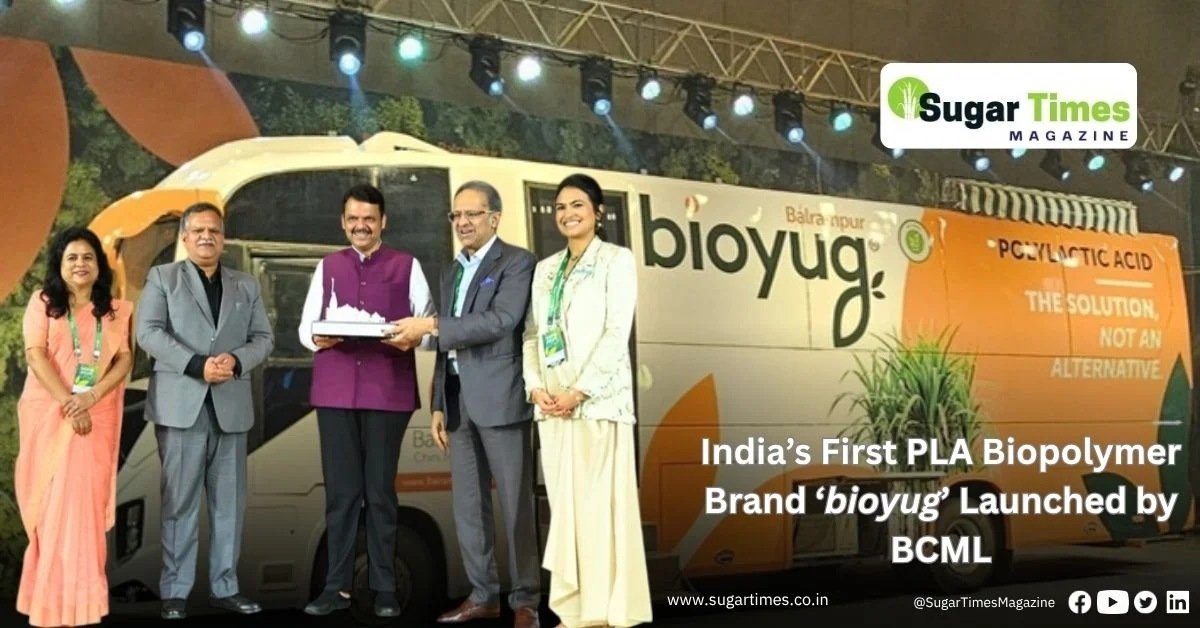
While selling sugar and ethanol like a responsible UP-based industrial giant, the company is also building India’s first PLA bioplastic plant worth ₹2,850 Cr. Already ₹1,421 Cr spent till Jan 2026. That’s not pocket change. That’s “Shaadi ka tent, DJ aur 2,000 guests” money.
So here’s the question:
Is this still a boring cyclical sugar stock… or a future green chemistry disruptor wearing a dhoti?
Let’s investigate.
2. Introduction – When Sugar Turns into Strategy
Balrampur Chini Mills is not your local mithai shop. It is India’s second-largest sugar producer, operating 10 sugar factories in Uttar Pradesh with crushing capacity of 80,000 TCD.
For context:
- Sugarcane crushed: 1,084.5 lakh quintals in FY24 vs 885.4 lakh quintals in FY22.
- Sugar production: 112.2 lakh quintals in FY24 vs 91 in FY22.
- Average sugar realization: ₹38/kg in FY24 vs ₹34.7/kg in FY22.
Translation? More cane, better recovery, higher pricing.
And then there’s ethanol.
Total alcohol production jumped to 28 Cr BL in FY24 vs 16.3 Cr BL in FY22. That’s massive scaling. Ethanol is not just liquor; it’s government policy-driven blending gold. Oil Marketing Companies are buying it. Cash flow visibility improves. Cyclicality reduces.
Power? 176 MW cogeneration capacity. Bagasse-based power sold at ₹4/unit in FY24 vs ₹3.3 earlier.
And then — the plot twist.
PLA (Polylactic Acid) plant. ₹2,850 Cr capex. Expected revenue ₹2,000 Cr at full capacity. EBITDA margin projected over 35%. Commissioning targeted October 2026.
Sugar company becoming bioplastics pioneer.
Ambitious? Absolutely. Risky? Also yes.
But before judging, let’s break it down like a forensic accountant with a sense of humour.
3. Business Model – WTF Do They Even Do?
Let’s simplify.
Balrampur Chini makes money from three buckets:
1) Sugar (77% of 9M FY25 revenue)
They