Basant Agro Tech Q3 FY26: ₹123 Cr Sales, 229% PAT Jump… But ROE Still 2.36% – Fertilizer Phoenix or Seasonal Mirage?
1. At a Glance – The ₹11 Agro Puzzle
At ₹11.2 per share and a market cap of just ₹102 crore, Basant Agro Tech (India) Ltd is that tiny fertilizer player trying to stand in a group photo with Coromandel and Chambal. The stock is down 12.6% in 3 months and 28.9% in one year. Yet, Q3 FY26 just reported ₹123 crore revenue and ₹1.25 crore PAT — a 229% YoY jump in quarterly profit. Sounds dramatic? Yes. Sustainable? Let’s breathe.
P/E stands at 17.2. Price-to-book is 0.56. Book value is ₹20. Debt is ₹130 crore against net worth of ₹181 crore (Equity ₹9 + Reserves ₹172 as of Sep 2025). ROE is 2.36%. ROCE is 6.52%. Dividend yield? 0.45%.
So what do we have here?
A fertilizer + seed + LABSA + pipe + windmill + organic powder cocktail, selling at half book value, but earning returns that wouldn’t impress a fixed deposit.
Is this a turnaround in motion or just seasonal fertilizer drama? Let’s dig.
2. Introduction – From Seeds to Soap Chemical, Sab Kuch Milega
Founded in 1990 and part of the Bhartia Group of Akola, Basant Agro Tech is basically the “agriculture department store” of mid-cap India.
Seeds? Yes. Fertilizers? Of course. LABSA chemical (used in detergents)? Why not. Warehousing? Sure. Cold storage? Add it. Windmills? Sprinkle some green energy. Organic powders like barley grass and moringa? Throw that in too.
If diversification was a buffet, Basant Agro loaded its plate like an overexcited wedding guest.
Revenue mix FY23:
Fertilizers: 57%
Seeds: 27%
LABSA: 13%
Others: 3%
This is primarily a fertilizer business wearing a multi-business costume.
But here’s the problem — over 5 years, profit CAGR is -12%. Over 3 years, profit growth is -40%. ROE last year? 2%.
So the question becomes:
Are we looking at a cyclical agro play temporarily down? Or a structurally low-margin business?
Let’s understand the engine first.
3. Business Model – WTF Do They Even Do?
Think of Basant Agro as a farmer’s toolkit manufacturer.
NPK capacity across multiple units: ~1,65,000+ MTPA.
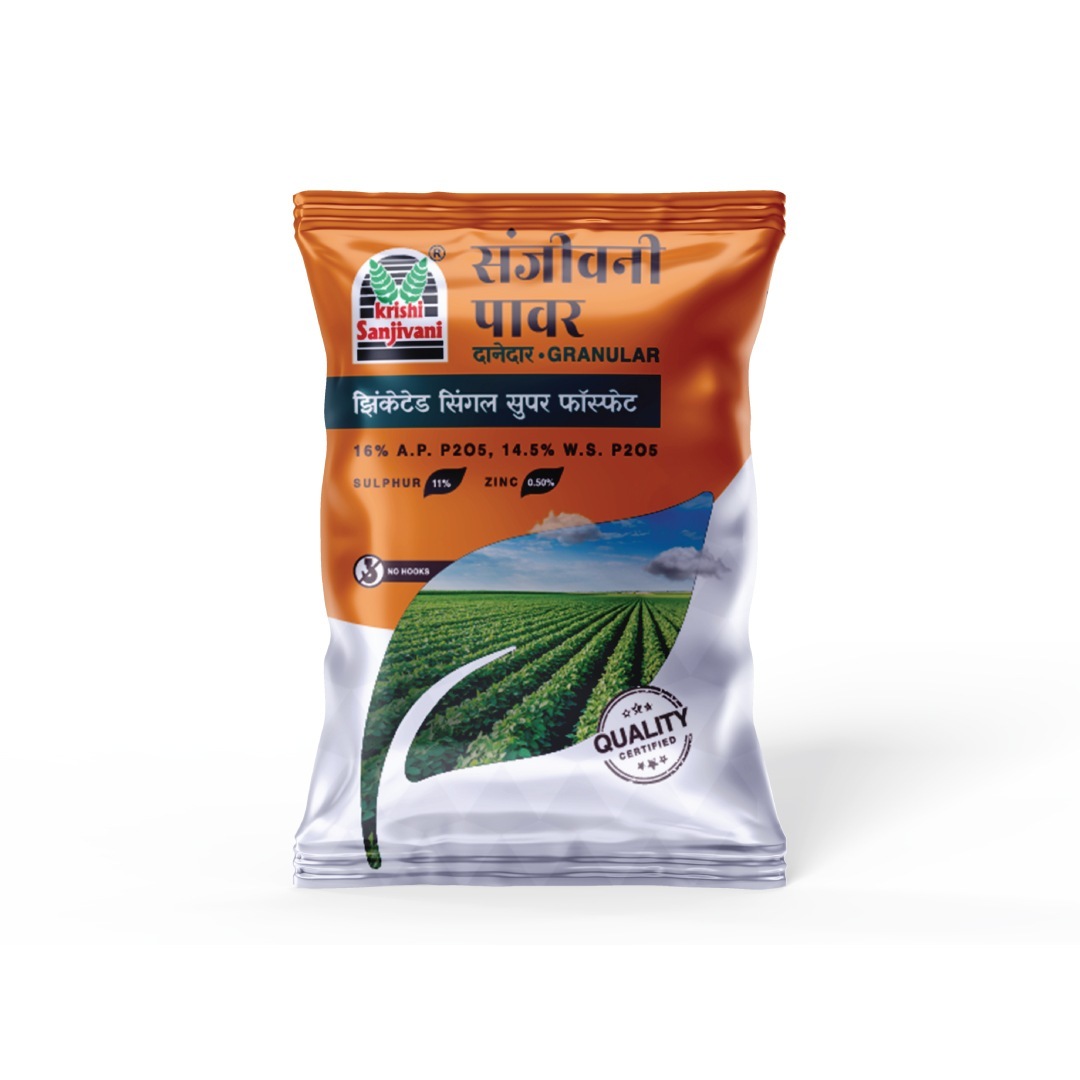
SSP is a basal fertilizer. That means farmers use it at sowing stage. Which means seasonality is real. If monsoon misbehaves, sales wobble.
Seeds Division
Hybrid and BT seeds across field crops and vegetables. Seeds bring better margins than fertilizers generally — but they require R&D spend and working capital.
LABSA
Linear Alkyl Benzene Sulphonic Acid — used in detergents. So technically, from farm to Surf Excel, Basant touches both.
Pipes
Drip irrigation, sprinkler systems, HDPE pipes. Good adjacency.
Windmills
4 windmills. Probably small contribution but useful for captive power.
So the business is agro-input heavy, low margin, working capital intensive.
And when your OPM hovers around 5–6%, any small raw material shock can crush profits.
Question for you:
Would you rather own a high-volume, low-margin fertilizer business or a niche agro-tech innovator?