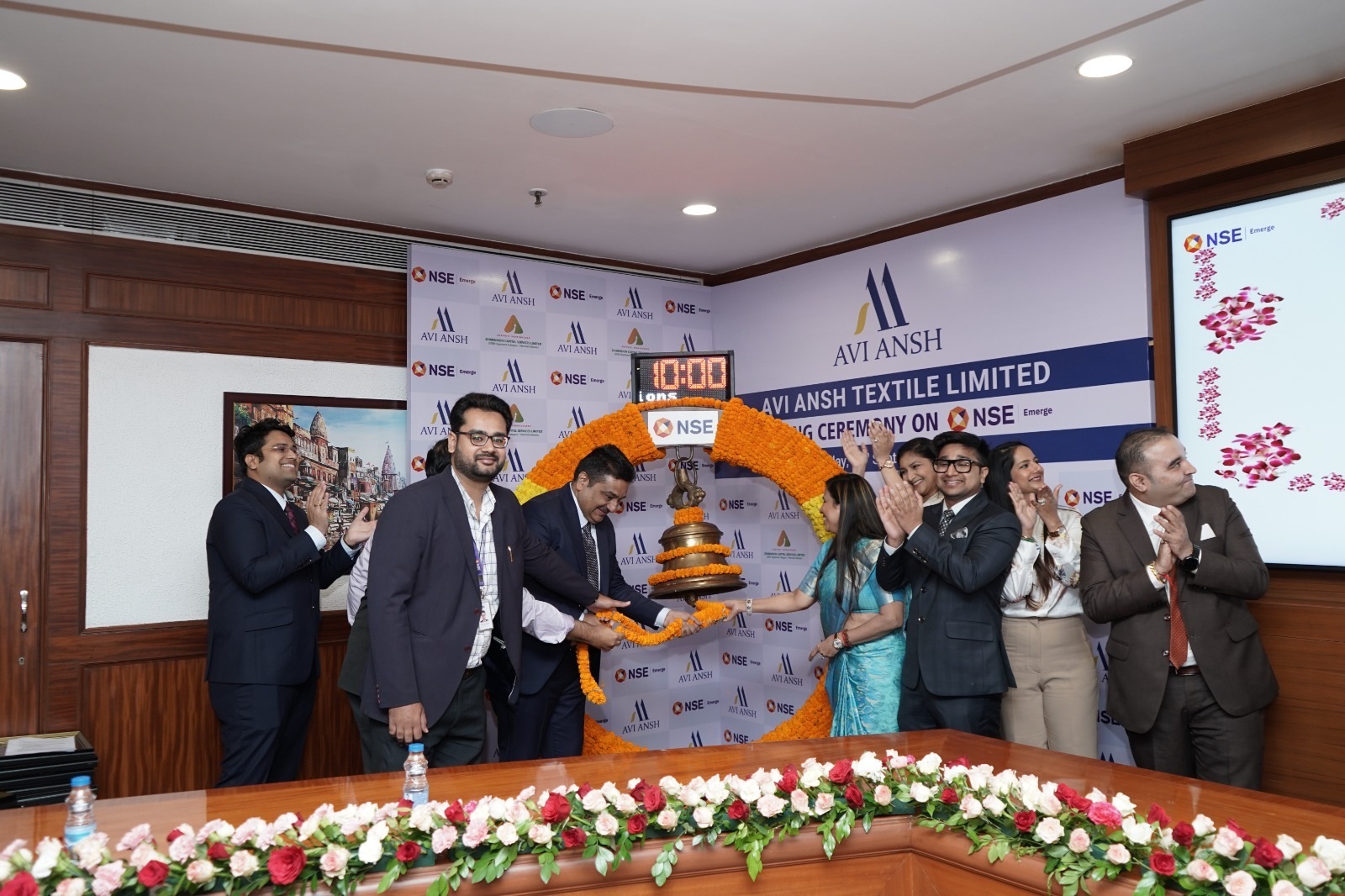
Avi Ansh Textile Ltd Mar 2026 : A ₹141 Crore Top-Line Strangled by 174-Day Capital Lockup
Section 1 — At a Glance
Growth can look incredibly convincing from a distance, right up until you zoom in on the operational friction required to generate it. Avi Ansh Textile Ltd reported a full-year revenue from operations of ₹141.29 crore for the fiscal year ended March 31, 2026, marking an incremental recovery from ₹134.18 crore in the previous year. However, this top-line expansion did not translate into bottom-line structural efficiency. Net profit for the period dropped to ₹1.30 crore, down from ₹1.80 crore in FY25 and significantly below the ₹3.31 crore high watermark achieved in FY24.
While investors have been tracking the expansion metrics of this recently listed textile business, the core machinery reveals deep systemic stress. Operating profit margins have flattened, weighed down by high input costs and escalating manufacturing outlays. More importantly, the working capital requirements of the company have spiraled out of control. Trade receivables expanded to ₹21.23 crore, while inventory balances built up to ₹36.42 crore by the close of the fiscal year. This structural pile-up trapped operational liquidity, pulling cash generated from operating activities down into negative territory at -₹4.17 crore. A business cannot comfortably compound its intrinsic value when its underlying returns are permanently tied up in warehouse floors and unpaid customer invoices. The market is now faced with a microcap that is growing its balance sheet footings far quicker than its actual distributable cash reserves, creating a fascinating puzzle for structural credit analysis.
Section 2 — Introduction
Avi Ansh Textile Ltd entered the public markets with reasonable fanfare in September 2024, raising ₹26 crore through an SME initial public offering to fund its working capital runway and pare down bank borrowings. Operating from its primary production infrastructure in Dera Bassi, Punjab, the organization has spent the last two decades anchoring itself as a regional supplier of cotton yarns.
Yet, the primary reality of the public markets is that historical track records must eventually meet current microeconomic efficiency. The capital infusion from the public issue was fully utilized by the end of March 2026, as certified by corporate auditors. However, instead of liberating the balance sheet from high-interest obligations, short-term liabilities and banking facilities have filled the vacuum once again. This piece explores the operational dynamics of a commodity-bound player attempting to pivot into higher-margin fabric production while running headfirst into a brutal domestic supply cycle.
Section 3 — Business Model: WTF Do They Even Do?
At its core, Avi Ansh Textile Ltd runs a dual-track spinning and knitting operation. The legacy engine consists of a spinning factory housing roughly 26,000 spindles, turning raw cotton bales into carded, combed, and hosiery yarns ranging from 20s to 40s counts. This legacy segment remains the absolute breadwinner, contributing 91.65% of gross operational revenue, while side products like cotton scrap chip in another 5.64%.
In a strategic bid to climb the manufacturing value chain, management added 20 advanced knitting machines capable of turning out structured fabrics like single jersey, interlock, fleece, and waffle patterns. However, despite processing capacities designed for 5,800 tons per annum, fabric sales account for a microscopic 2.03% of the top-line mix. Geographically, the company’s dependency remains highly localized, with Uttar Pradesh and Delhi devouring 33.87% and 22.00% of shipments respectively. The elephant in the room is structural client concentration: their top five clients command 67% of total sales, and the top ten buy out an astonishing 100% of their output. If a single key buyer renegotiates terms, the mill’s entire utilization framework breaks apart.
Section 4 — Financials Overview
Figures are standalone, in ₹ crore.
The company files financial updates on a half-yearly basis, following standard regulatory tracks for SME-listed entities. Looking at the performance architecture over the last few blocks, a clear margin-compression narrative emerges.