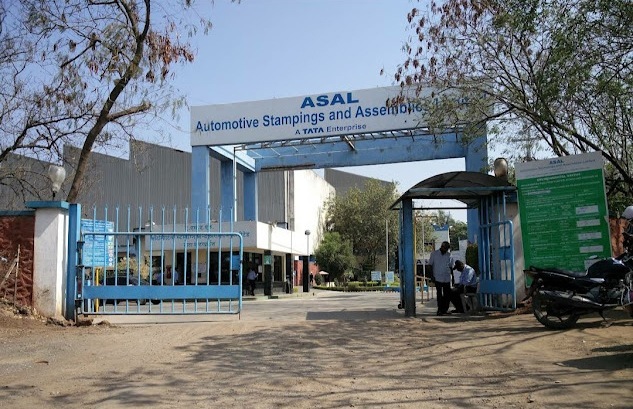
1. At a Glance — This Isn’t a Typical Auto Ancillary Story
There are companies that grow by innovation.
There are companies that grow by hype.
And then there are companies like Automotive Stampings & Assemblies (ASAL) — which spent years behaving like a balance-sheet crime scene, only to suddenly show up with ₹891 crore revenue, ₹28.8 crore PAT, 25.4% ROCE and 128% ROE and ask the market for respect.
That 128% ROE looks outrageous.
Almost suspicious.
Almost meme-worthy.
But pause. This is not some magical compounding machine. That ROE is inflated because the equity base was tiny after years of accumulated losses. It’s less Warren Buffett, more “survivor emerging from bankruptcy gym.”
And that’s what makes ASAL interesting.
This is not a pristine quality compounder.
This is a turnaround wrapped in sheet metal.
A former chronic underperformer that used debt reduction, Tata group backing, EV-linked capex and operational discipline to crawl back from the dead.
And here’s the irony—
While the market throws premium multiples at fashionable EV suppliers discussing “mobility ecosystems,” this old-school stamping company quietly became a battery tray supplier to the EV ecosystem.
Sometimes the boring factory wins.
Sometimes the guy welding battery trays makes more money than the guy making PowerPoint decks about electrification.
Question for readers:
Is ASAL a hidden turnaround or just Tata Motors’ outsourced workshop wearing listed-company makeup?
That’s the puzzle.
Because the red flags exist:
- 79% revenue from top four customers
- Over 80% dependence on Tata ecosystem
- Debt still ₹124 crore
- Debt/equity 3.44
- Working capital occasionally acts drunk
- Promoter holding 75%, virtually no institutional interest
Yet…
- Credit rating upgraded to CRISIL A-/Stable / A2+
- Margins improving
- New Sanand + Jamshedpur plants operational
- EV-linked product mix rising
- Interest burden falling
- Q4 FY26 PAT up 169% YoY
That is not cosmetic.
That is financial rehabilitation.
And frankly, turnaround stories are often where the biggest arguments — and biggest mistakes — happen.
Because people either dismiss them too early…
Or worship them too early.
Let’s investigate.
(Detective mode activated.)
2. Introduction — When a Vendor Starts Looking Like a Business
For years ASAL looked less like a company and more like a supplier trapped inside Tata Motors’ ecosystem.
Margins too thin.
Debt too high.
Returns ugly.
The classic “promoter survives, minority shareholders suffer” template.
Then something changed.
Actually three things changed:
One — debt reduction.
FY22 asset monetisation reduced borrowings from crisis levels. That was oxygen.
Two — product mix improved.
Battery trays.
Aluminium cooling tubes.
Heavy fabrication.
Less commodity-ish.
More value-add.
Three — Tata Motors’ EV wave arrived.
And suddenly being deeply dependent on Tata didn’t look like a weakness alone.
It looked like optionality.
Funny how concentration risk becomes “strategic alignment” when growth arrives.
Classic market hypocrisy.
Revenue:
- FY21: ₹339 crore
- FY26: ₹891 crore
That’s not a rounding error.
That’s transformation.
Even