AstraZeneca Pharma India Ltd Mar 2026: 113x Earnings for Negative Cash Flow?
Date of Publishing -
Spotted a factual error — a wrong number, date, or fact? Tell us and we will check the source.
Section 1 — At a Glance
AstraZeneca Pharma India’s FY26 numbers present a jarring paradox. Topline growth is undeniably robust, with revenue surging 32% year-on-year to ₹2,275.58 Cr, heavily driven by its dominant oncology portfolio. Net profit followed suit, closing at ₹187.52 Cr—a solid recovery from FY25’s ₹115.74 Cr, which was marred by exceptional items. However, the income statement’s shine quickly fades when cross-referenced with the balance sheet.
Inventory has metastasized, nearly doubling from ₹548.50 Cr to a staggering ₹1,027.33 Cr in a single year. Consequently, operating cash flow collapsed into the red at -₹15.14 Cr. High growth on the income statement is a mirage if the cash is trapped in the warehouse.
Despite this cash bleed and an operating margin hovering near 12%, the market is aggressively paying up, assigning a towering P/E of ~113.5x to the stock. The tension here is palpable: investors are pricing AstraZeneca as a flawless specialty compounder, but the working capital metrics signal severe operational bottlenecks. The commercial engine is roaring, but the plumbing is backed up.
Section 2 — Introduction
AstraZeneca Pharma India Ltd is the domestic arm of the UK-headquartered pharmaceutical giant AstraZeneca plc, which holds a tight 75% grip on the entity through its Swedish subsidiary. Historically recognized by the general public for a certain pandemic-era vaccine, the listed Indian entity’s actual bread and butter is far more specialized.
The company operates primarily across Cardiovascular, Renal, and Metabolic (CVRM) diseases, Oncology, Respiratory, and Immunology. They aren’t in the business of peddling basic paracetamol; they deal in complex, high-ticket therapies. Management has been actively reshaping the portfolio to align with the parent’s global pivot toward specialized care.
Section 3 — Business Model: WTF Do They Even Do?
If you strip away the corporate gloss, AstraZeneca India is essentially a high-end distribution and marketing vehicle for its parent company’s blockbuster intellectual property. They import hope in vials and blister packs.
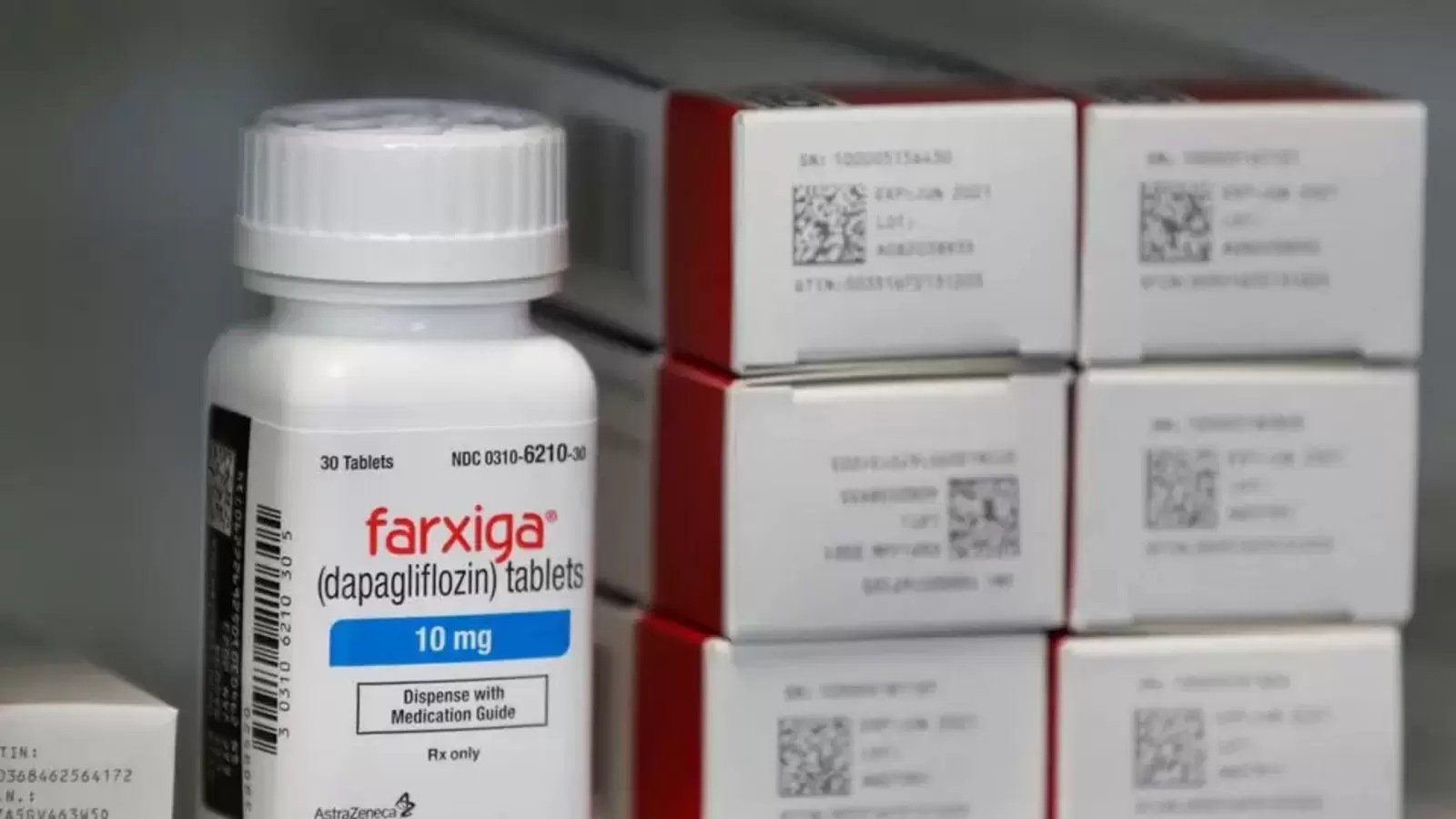
The business is overwhelmingly tilted toward cancer. Oncology now commands roughly 70% of total revenue. Brands like Enhertu (which crossed ₹200 Cr within 12 months of launch), Tagrisso (the top lung cancer brand), and Imfinzi do the heavy lifting. The remaining mix relies on established CVRM drugs like Brilinta and Forxiga. Their strategy is straightforward: wait for the parent to clear global trials, get the CDSCO to stamp the import paperwork in India, and deploy a specialized sales force to convince oncologists that the premium pricing is justified.
Section 4 — Financials Overview
Figures are consolidated, in ₹ crore.
Metric
Mar 2026 (Q4)
YoY (vs Mar 2025)
QoQ (vs Dec 2025)
Revenue
578.61
+20.4%
-5.4%
Operating Profit
60.91
-29.4%
+35.8%
PAT
44.88
-22.9%
+37.7%
EPS (₹)
17.95
-22.9%
+37.7%
Did Management Walk the Talk?
Back in the August 2025 concall, management was questioned about climbing inventory levels. The Chair confidently defended it, stating they were building stock “in anticipation of the growth plans” and doing so in a “very, very prudent manner” to ensure product availability.
Fast forward to March 2026, and inventory has skyrocketed to ₹1,027.33 Cr. If tying up nearly half of your trailing twelve-month revenue in warehouse boxes is “prudent,” we’d hate to see their definition of reckless. The sales team absolutely walked the talk on pushing top-line oncology growth, but the supply chain planners seem to have taken the talk for a joyride.
Does a 32% annual topline growth matter if the operating cash is bleeding out the back door?
Section 5 — Valuation Discussion: Fair Value Range Only
At a CMP of ₹8,514.50 and FY26 EPS of ₹75.01, the market is pricing this at roughly 113.5x earnings. Let’s look at the baseline math.
P/E Method: The broader Indian pharma peer set trades between 30x and 67x. If we assign