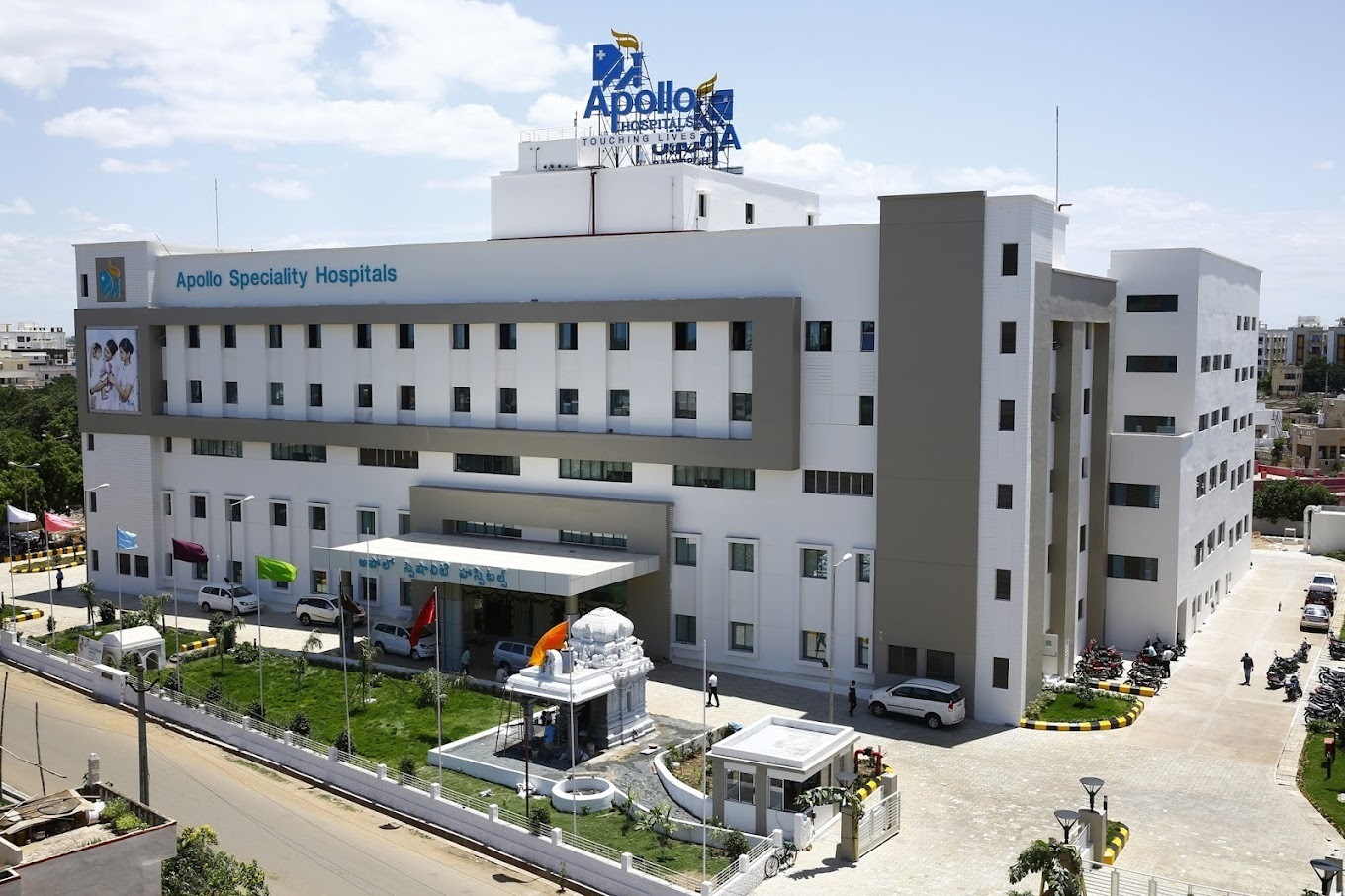
Apollo Hospitals FY26: High Occupancy, Thick Valuations, and the Ultimate Restructuring Drama
Section 1 — At a Glance
Apollo Hospitals Enterprise Limited concluded fiscal year 2026 by steering its massive healthcare machine into a higher gear of operational delivery and complex restructuring. The financial performance was headlined by consolidated revenue of ₹25,228.50 crore for FY26, highlighting an expansion of 15.76% over the ₹21,794.00 crore printed in FY25. Net profit for the full year tracked a similar upward trajectory, climbing 34.29% to hit ₹1,941.70 crore compared to ₹1,445.90 crore in the prior fiscal period, despite the company absorbing multiple headwinds including initial setup costs for a wave of newly built hospitals.
True operational efficiency is rarely found in the absolute number of assets a business owns, but in how intensely those assets are made to sweat before fresh capital is deployed.
While headline metrics indicate fundamental growth, institutional investors have fixed their focus squarely on a couple of architectural vulnerabilities. The balance sheet expansion has been heavily fueled by debt, with total borrowings ballooning to ₹8,492.90 crore by March 2026, creating a visible long-term servicing obligation. Furthermore, structural profitability remains constrained by an overall asset-heavy capital footprint; while the core hospital units continue to enjoy strong pricing power, the consolidated Return on Capital Employed (ROCE) still hovers at 17.89%, lagging behind leaner, specialty-focused healthcare operators in the listed universe.
The defining variable for Apollo’s medium-term equity story is no longer just bed count, but rather the execution of its massive corporate restructuring scheme designed to bundle its cash-burning digital ecosystem with its high-velocity pharmacy vertical.
Section 2 — Introduction
Apollo Hospitals has grown from its 1983 origins as a singular private healthcare facility into Asia’s largest corporate medical conglomerate, operating an expansive web that captures patients at virtually every touchpoint of physical and digital healthcare delivery. The current operational framework integrates 78 physical hospital facilities, thousands of localized diagnostic centers, and a massive digital ecosystem under the Apollo 24/7 banner. Rather than operating purely as a place where patients go for tertiary surgeries, the company has transformed itself into a structural consumer healthcare utility.
The strategy over the last twenty-four months highlights a clear shift in executive intent. Management has transitioned from defensive consolidation back to an aggressive, pan-India expansion footprint, attempting to balance high-margin clinical excellence in major metros with scalable, asset-light retail health and diagnostic reach across emerging tier-2 urban centers.
Section 3 — Business Model: WTF Do They Even Do?
Apollo operates a multi-legged corporate stool designed to capture a rupee from you whether you are experiencing a minor headache or undergoing a multi-organ transplant. The oldest and sturdiest leg is Healthcare Services, which controls roughly 10,970 beds across a vast network of owned and managed hospital facilities. This segment generates roughly half of the group’s top-line revenue, leaning heavily on high-acuity surgical procedures across cardiology, oncology, and neurology.
The second leg is Digital Health & Pharmacy Distribution (Apollo HealthCo), an ambitious attempt to build an omni-channel pharmacy ecosystem. It manages a network of 7,289 active brick-and-mortar retail stores while using the Apollo 24/7 smartphone app to deliver medicines and virtual doctor consultations to 47 million registered users.
The final, smaller leg is Retail Health & Diagnostics (AHLL), a network of 2,501 localized diagnostic collection points, day-surgery cradles, and dental clinics engineered to capture out-of-hospital medical spending before patients ever require an actual hospital bed.
A multi-quarter look reveals that momentum sustained into the final stretch of the year. Q4 FY26 revenue reached ₹6,605.50 crore, marking an institutional sprint that handily outpaced the previous year’s performance. Quarterly Operating Profit cracked the four-figure barrier at ₹1,011.00 crore, indicating that the business is beginning to benefit from