General information and entertainment, not investment advice. The author is not a SEBI-registered adviser or research analyst. No recommendation, no promised returns. Markets carry risk including loss of capital. Figures may not be current. Consult a registered adviser before acting.
The company finished FY26 with ₹931 Cr in sales (up 14% on a TTM basis, but sitting below three-year lows on an annual basis). Net profit jumped to ₹39 Cr from ₹4 Cr. The bounce was real—but ask what caused it.
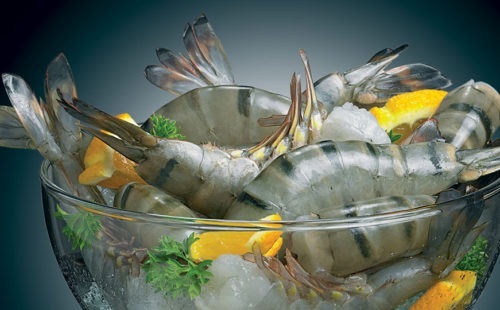
Apex is an exporter of processed frozen shrimp, entirely 100% export-driven, with hatcheries and farms integrated backward into the supply chain. Geography matters here: the USA accounted for roughly 48% of sales in FY26, Europe 47%, and others 5%. But U.S. tariffs and geopolitical logistics disruptions dominated the year, and management leaned hard on margin recovery and balance-sheet cleanup.
Debt fell from ₹107 Cr (Mar’24) to ₹6 Cr. Borrowings are now negligible. Yet return on equity sits at 7.6% (FY26) and return on capital employed at 10.4%—numbers that whisper, not roar, about capital efficiency.
The multiple sits at 34x earnings, against a peer median of 19x. The company is betting on margin sustenance and U.S. volume recovery. Execution will tell.
2. Introduction
Apex Frozen Foods started as a partnership firm in 1996, shifted to a private limited structure in 2012, and went public in 2017. It sits in Kakinada, Andhra Pradesh, roughly 20 km from a port—proximity that matters in a frozen-shrimp supply chain where every day of cold-chain delay costs margin.
The concall narrative (Jun 2026) focused on one thread: geographic diversification that worked. When the U.S. market seized under tariff and logistics chaos, Apex had already de-risked into Europe. Non-U.S. exports hit 52% of sales in FY26, the highest on record.
Tariffs on shrimp have since normalized from 50% (peak IEEPA tariff) to 10% (current). Management expects U.S. volume to return. EU free-trade agreements are in sight. Capacity utilization sits at only 30% of the 34,240 MTPA facility. Headroom exists.
But Q4 FY26 carried noise: worker disruptions in January trimmed volumes, and logistics constraints (containers, shipping schedules) squeezed quarterly delivery. The bounce in profit came partly from inventory drawdown (earlier-quarter stock consumed at better prices), debt reduction lowering finance costs, and FX tailwinds.
Profitability is “sustainable,” management said. That word needs watching.
3. Business Model: WTF Do They Even Do?
Apex doesn’t trap and sell wild shrimp. It processes farmed shrimp—specifically white-leg vannamei and black tiger varieties—into finished frozen products for export.
The backward integration runs four steps. First: own hatcheries produce 1.2–1.4 billion SPF (specific pathogen free) seeds per year. Second: outsourced farms (managed by Apex but owned by others) rear the shrimp in bio-secured ponds. Third: in-house processing plants (two units, 34,240 MTPA capacity) grade, debone, peel, cook, and freeze. Products range from commodity “head-on shell-on” shrimp (low value) to ready-to-eat skewered, seasoned, breaded variants (higher margin). Ready-to-eat products grew to 12% of sales in FY26 from 10% in FY25. Fourth: in-house cold storage and owned refrigerated trucks handle logistics to port and beyond.
The model is resilient to supply shocks (own seeds), vulnerable to disease (aquaculture risk), and acutely sensitive to realizations (USD pricing of shrimp fluctuates with global supply imbalances). Currency risk is only partially hedged: 30% max of forex exposure, leaving 70% naked to INR moves.
Customers are large HORECA chains, retail franchises, and distributors in the U.S., EU, and China. The company sells under customer brands and in-house brands (Bay Fresh, Bay Harvest, Bay Premium). Export incentives (rebates for indirect taxes reimbursed) contributed ₹493 Cr to FY26 revenue, about 5.3% of sales. This is a policy lever, not a durable moat.
4. Financials Overview
Figures are consolidated, in ₹ crore.
Metric
Q4 FY26
Q3 FY26
YoY (Q4)
QoQ (Q4)
Revenue
167.82
238.34
-15%
-30%
EBITDA
16.1
17.3
+118%
-7%
PAT
7.79
11.87
+206%
-34%
EPS (annualized)
9.97
15.2
—
—
Full Year (FY26 vs FY25):
Metric
FY26
FY25
Change
Revenue
931.14
813.55
+14%
EBITDA
72.4
29.5
+145%
PAT
38.85
3.88
+902%
EPS
12.43
1.24
+902%
Q4 FY26 landed softer than Q3. Revenue slid 30% QoQ; management attributed it to operational disruptions (worker unrest, container availability, logistics delays around January) and seasonal shipping patterns. But profitability doubled YoY, with margins expanding 593 bps in the quarter—a sign that per-unit costs improved (either through mix, realization, or drawdown of costlier inventory from earlier quarters).
Concall framing: Management credited margin improvement to (a) inventory use from prior quarters (the company had stockpiled