ALL SECTIONS
A Mayoralty for our age
Dame Susan Langley explains how she is using her historic tenure as Lady Mayor of London to modernise an 800-year-old institution, transforming it from a ceremonial symbol into a global ambassador for financial and professional services
 
Featured | Wealth Management
Author: David Worsfold, Features Writer
Top 5
- Top 5 female-fronted fintech firms
- Top 5 Latin American tech hubs
- Top 5 sustainability pioneers in Europe
- Top 5 keys to global economic recovery
- Top 5 WFH habits, according to the world’s most successful business leaders
- Top 5 pandemic-proof industries
- Top 5 countries to be world’s next manufacturing hubs
- Top 5 most influential and inspirational US economists
- Top 5 ways to boost employee engagement and commitment
- Top 5 financial services that are ripe for automation
- Top 5 ways that GDPR has impacted digital banking
- Top 5 emerging fintech hubs across the globe right now
- Top 5 ways that the finance industry can prepare for AI
- Top 5 economic risk factors that must be considered
- Top 5 tips for retailers looking to sell into Chinese market
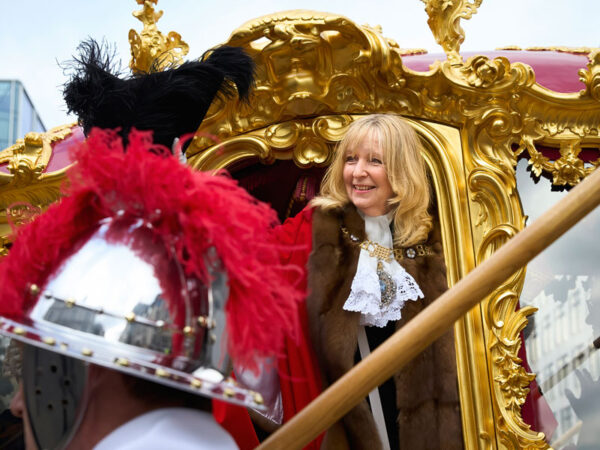
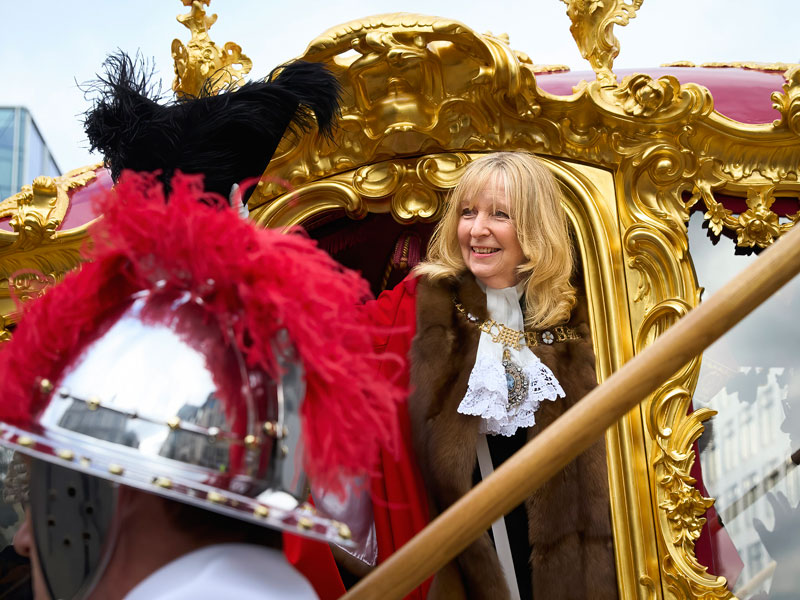
Changing perceptions of an 800-year-old institution steeped in tradition is no easy task, but that is what Dame Susan Langley is on course to achieve in her year as the first citizen of the City of London, usually known as the Lord Mayor. She is the 497th holder of that office since it was established in 1189 and only the third woman to hold the position, but the first to style herself Lady Mayor of London. That decision alone has made a huge impact, as well as raising the eyes of traditionalists, but it shouldn’t have come as a surprise.
When she was elected to the Court of Aldermen in 2018, part of the City’s governance structure, she quickly realised she wasn’t happy with a gender-specific title: “I was the first to take the title Alderwoman. I wasn’t trying to make a point but what triggered it was when someone said ‘Alderman Langley’ everyone shook my husband’s hand. I got fed up with that.
“Changing that was hard. There were papers written about whether it could be done but the nice thing is now that it is done all of the women who come after me have a choice.”
When it came to the Mayoralty, the potential legal obstacles were non-existent because all the relevant legislation just refers to the position as Mayor. Lord Mayor is the title that has been used by convention. This didn’t stop her having to work to justify the adoption of Lady Mayor as her title, but her approach was always gentle persuasion, as she recounts one encounter with someone reluctant to accept the change:
Challenging perceptions
“I get that view that since 1189, it has been the convention, I said, but that is because it has been men. Fine. That was the way it started. I said, well, let’s turn it round. Let’s say since 1189, it has been women, and the title is Lady Mayor, and there has always been Lady Mayor. How would you feel if I addressed you as my Right Honourable, the Lady Mayor? And he said, oh, I see what you mean.”
Now that it is done all of the women who come after me have a choice
From that decision flowed the re-titling of the annual parade through the City of London every November that marks the formal installation of the new Mayor from the Lord Mayor’s Show to the Lady Mayor’s Show. This made the world sit up and take notice as it was broadcast live on BBC and widely covered in the national press in the UK:“It made far more of an impact than I ever imagined. It made people feel they belonged because they could see themselves.”The changes she has pursued go far beyond the