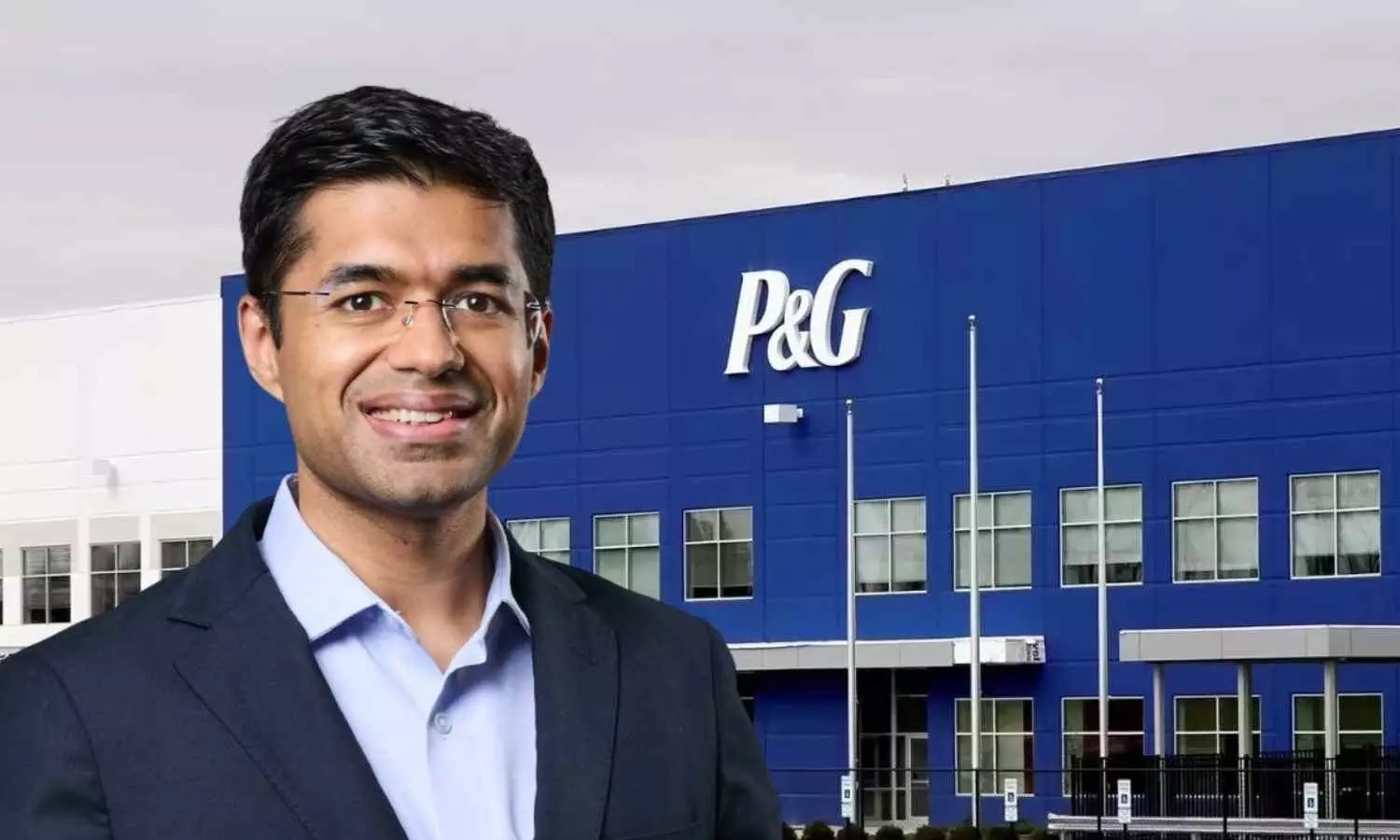
P&G Hygiene and Health Care Ltd – FY2026: Record Cash, Struggling Growth
General information and entertainment, not investment advice. The author is not a SEBI-registered adviser or research analyst. No recommendation, no promised returns. Markets carry risk including loss of capital. Figures may not be current. Consult a registered adviser before acting.
1. At a Glance
P&G Hygiene and Health Care reported FY2026 net profit of ₹856.5 Cr, up 35% YoY on a full-year basis — yet the stock sits near a 5-year trough. Revenue growth has flatlined at 27% over five years (3.2% CAGR). The balance sheet holds ₹568 Cr in cash against near-zero debt, but the margin story has inverted: operating profit margin compressed while the equity’s return (ROE 115%) sits at heights the balance sheet can no longer justify.
The tension: a household-name brand at a near-decade valuation peak, fueled by dividend payout, not growth. One month after the financial year close, the CFO resigned. The stock is down 32% in one year. The question is not whether P&G is profitable, but whether at 34x earnings it matters.
2. Introduction
Procter & Gamble’s Indian hygiene arm — incorporated as Richardson Hindustan in 1964, acquired by P&G in 1985 — has spent the last 40 years as one of two stock picks every personal-finance guide hands out: steady returns, a fortress balance sheet, and Whisper’s 50% market share in feminine care.
The landscape shifted. The company shifted its financial year end from June to March in FY2025, meaning the latest reported period is 12 months (Apr 2025–Mar 2026), while the prior year was a 9-month transitional period (Jul 2024–Mar 2025). Comparisons require care.
In May 2026, Ghanashyam Hegde (Company Secretary and CFO) resigned; Srividya Srinivasan takes over as CFO and Executive Director from July 1. No stated reason was disclosed. A fresh analyst meet is scheduled for June 16, 2026. The company has filed for an Advanced Pricing Agreement settlement on transfer pricing, settling a ₹87 Cr contingent liability against ₹36 Cr additional tax.
3. Business Model: WTF Do They Even Do?
P&G India makes three things. Whisper (feminine hygiene, ~70% of revenue) owns roughly 50% of the Indian market, though that figure obscures two problems: the market itself is small (penetration below 50% of households), and the company’s growth within it has slowed. Vicks (cough, cold, and now incubation bets like ZZZQuil and steam inhalation pods, ~30%) is the household anchor but faces new entrants and switching.
Old Spice (deodorants, aftershaves, shaving cream) remains a rounding error on the P&L, though management notes it doubled on e-commerce in FY2025. The brand, acquired from Gillette India, is being pushed via TikTok-native humor.
The model is simple: 51% market share in feminine care means the company has already captured most of the addressable population. Growth now requires either expanding the category itself (a long, thin argument), or raising price per unit faster than competitors. The former is a macro problem. The latter looks like what’s happening.
Management’s stated strategy is “Integrated Growth Strategy” — Superiority across five vectors (product, package, comms, retail execution, value), Productivity (cost efficiency), Constructive Disruption (digital shelf, AI-driven assortment, quick-commerce partnerships with Zepto). It’s P&G’s global playbook, ported to a market where the category itself is stalling.
4. Financials Overview
Figures are consolidated, in ₹ crore. This is a full financial year (FY2026, Apr 2025–Mar 2026), not directly comparable to the prior 9-month period.
Metric
FY2026
FY2025 (9M)
YoY Change
Revenue
₹4,290
₹3,374
+27.2%
EBITDA
₹1,171
₹871
+34.6%
PAT
₹857
₹637
+34.5%
EPS
₹263.86
₹196.11
+34.6%
The 27% sales growth is arithmetic nonsense: the prior year was 9 months, not 12. On a quarterly annualized basis, the latest quarter (Q4, Jan–Mar 2026) ran ₹941 Cr in sales, flat YoY.
A better lens: the trailing-twelve-month sales (Q4 FY2026 + three quarters of FY2025) sum to roughly ₹4,290 Cr. The equivalent prior 12 months (Jun 2024 + three prior quarters) were ₹4,206 Cr. The company grew less than 2% organically in the trailing 12 months. And even that flatters the picture: the Q4 FY2025 comparison (931 Cr) saw a -5% decline YoY, while Q4 FY2026 (941 Cr) rose just 1% YoY.
Profitability: EBITDA margin expanded to 27.3% from 25.8% in the prior year, but that comparison is muddled by the FY shift. Operating profit (before D&A) was 27.3% of sales in FY2026 vs. 25.8% in the 9-month FY2025 period. The Q4 FY2026 quarter saw 23.2% operating margin, down from a peak of 32% in Q3 (Dec 2025).
The message: the company’s operating leverage is flat to declining. The headline PAT growth is an artifact of the 12-month vs. 9-month comparison, not a trajectory shift.
Concall Colour
Management emphasized innovation and premiumization — Whisper Period Panties (new sub-segment), Vicks Cough Syrup (Ayurvedic blend, e-commerce exclusive), ZZZQuil (claimed #1 on e-commerce for sleep supplements). A&P spend rose to support these launches, with management signaling 3–4 quarter payback horizons.
Rural demand is stabilizing; urban remains under pressure. The company guides to “anticipate challenges to continue,” caveating near-term visibility.
5. Valuation Discussion: Fair Value Range (Educational Only)
What follows is a walkthrough of how three valuation methods work, using this company’s numbers