General information and entertainment, not investment advice. The author is not a SEBI-registered adviser or research analyst. No recommendation, no promised returns. Markets carry risk including loss of capital. Figures may not be current. Consult a registered adviser before acting.
1. At a Glance
The company: a shell game masquerading as infrastructure. Revenue flat at ₹18.86 cr, operating profit in free fall, and the only reason it earned ₹2.23 cr net profit is an exceptional ₹1.29 cr write-back from labour code provisions. Strip that out, and BF Utilities loses ₹3.64 cr for the quarter—a 6,986% profit collapse.
The tension: at ₹636/share, the stock trades at 950x P/E on FY26 trailing earnings of ₹0.59. The peer band (toll roads, power infrastructure) sits at 19–47x P/E. Wind generation fares poorly; toll operations at NHDL ended in September 2024, leaving two loss-making segments and a ₹37 cr advance to a step-down subsidiary pending for 14 years without a clear status.
A qualified audit opinion flags three red zones: a ₹500 cr arbitration claim, zero provisions made; a ₹26 cr investment in a toll company now earning nothing post-concession; and the advance itself. Promoter holding at 56.7% has not wavered. Cash balance ₹43.58 cr, borrowing nearly zero. The windmills still spin. Everything else questions why.
2. Introduction
BF Utilities Ltd, born in 2001 as the demerger vehicle for Bharat Forge’s energy and infrastructure holdings, is a USD 3 billion Kalyani Group company. It once had shape: wind power for captive consumption, toll operations that generated cash. A court-approved scheme of arrangement later transferred the investment portfolio to BF Investment Ltd, leaving BFUL with wind mills (18.33 MW, installed at Satara district in Maharashtra) and infrastructure—principally three subsidiaries: Nandi Infrastructure Corridor Enterprises (NICE), Nandi Economic Corridor Enterprises (NECE), and Nandi Highway Developers (NHDL).
What changed fast: NHDL’s concession agreement expired in September 2024, net revenue evaporated. NECE has no exit in sight and faces a Singapore arbitration (Claimants allege breach of a Shareholders’ Agreement, seeking ₹500 cr plus 18% IRR—company denies all). NICE extended CRPS tenure from 7 to 30 years, triggering a ₹33.32 cr reduction in borrowings via Ind AS 109 remeasurement, a technical event that pleased the balance sheet but obscured operational pain.
Standalone results alone reveal the operating company. Consolidated results are awaited: the auditors note that subsidiary financial statements have not arrived. So the story told here is fractional.
3. Business Model: WTF Do They Even Do?
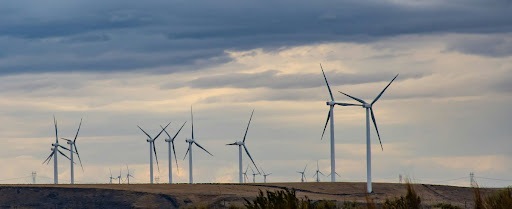
Wind first. The company operates 51 turbines of 230 kW and 11 of 600 kW across five locations in Satara—Padekarwadi, Gharewadi, Pawangaon, Maloshi, Kadve Khurd. In FY25, it generated 20.98 million units of power, down from 21.43 in FY24. Capacity factor has degraded; working conditions remain “difficult,” per management. Power goes into Bharat Forge’s plant at Pune via power purchase agreements, a captive dump that shields the company from merchant market volatility but anchors it to one customer’s needs.
Renewable Energy Certificates (RECs) exist in inventory (18,962 units as of March 2025). These are tradeable or sit idle—the sheet does not clarify cash generation from them. Carbon credits from CDM registration (14.65 MW eligible) have dried up; the global CDM market collapsed in 2012, and no recent revenue appears.
Infrastructure next: three subsidiary quagmires. NICE (74.52% owned) invests in transport projects and tolls. NHDL (69.53% owned) operated the Nandi Highway toll plaza in Karnataka until September 2024—36 years of concession, now complete. The asset carries ₹26.07 cr on the books; the auditors flag impairment risk because no revenue flows post-concession. Management counters: the net worth is positive, so no provision is needed. The auditors remain unconvinced on Ind AS 36 grounds.
NECE (42.16% step-down via NICE) is a land acquisition vehicle. The company advanced ₹37 cr toward land parcels 14 years ago. NECE “confirms quarterly” that it remains recoverable. The auditors flag the delay as material. No impairment, per management. The dispute hangs.
Division by revenue (FY26 standalone, 9M: wind 66%, infrastructure 34%; consolidated 9M: wind 3%, infrastructure 97%). The infrastructure tail wags the wind dog.
4. Financials Overview
Figures are standalone, consolidated basis shown where available, in ₹ crore.
Latest quarter: Q4 FY26 (31 March 2026). Standalone earnings carry a qualification from auditors. Full-year annual basis; quarterly annualisation applies where stated.
Metric
FY25
FY26
Change
Revenue
18.58
18.86
+1.5%
EBITDA
7.59
7.36
-3%
PAT
15.99
2.23
-86%
EPS (₹)
4.24
0.59
-86%
Revenue inched up 1.5% YoY to ₹18.86 cr, a five-year CAGR of 5.3%. EBITDA ticked down 3% to ₹7.36 cr (Operating Profit ₹(0.91) cr + Depreciation ₹0.64 cr + Other Income ₹13.59 cr – a reclassification artifact). Net profit crashed 86% to ₹2.23 cr, dragged down by three forces: operating loss of ₹7.22 cr (wind and infrastructure both bled), exceptional gains of ₹(0.89) cr (labour code provision reversals), and tax headwinds.
Q4 FY26 alone: revenue ₹1.67 cr (down 29.5% QoQ from Q3), operating profit ₹(5.35) cr, and net loss of ₹3.64 cr before the exceptional ₹1.29 cr write-back. Seasonal winds in Q4 remain weak. TTM sales growth: 1.51%.
Concall colour: None recorded. Last concall remarks (FY25) flagged wind farm maintenance headwinds. This year’s results memo is silent on business outlook, management commentary, or capex plans.
5. Valuation Discussion: Fair Value Range (Educational Only)
What follows is a walkthrough of how three valuation methods work, using this company’s numbers as the example — not a target, not a forecast, not advice.
Method 1 (P/E multiple): Annualised EPS ₹0.59 × peer band