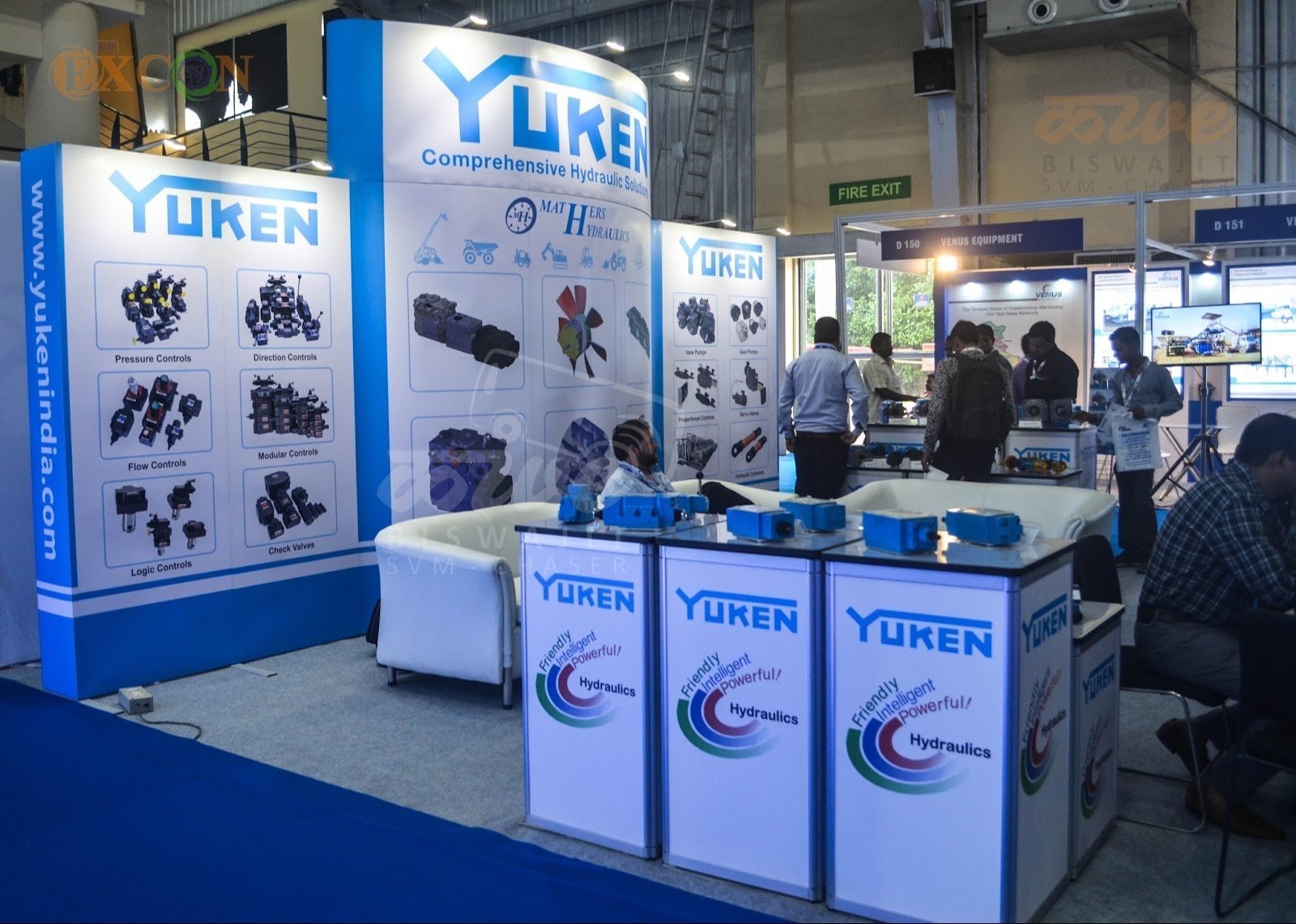
Yuken India Mar 2026: Paying 65x Earnings for a 41% Profit Drop
Date of Publishing -
Spotted a factual error — a wrong number, date, or fact? Tell us and we will check the source.
1. At a Glance
Yuken India closed FY26 with a topline of ₹462.17 crore, managing a mild 1% growth over the previous year. However, the bottom line tells a more painful story, with net profit shrinking from ₹24.62 crore in FY25 to ₹14.47 crore. Despite this earnings compression, the market has assigned the stock a lofty multiple of 65x. The tension here lies between the reported numbers and management’s ambitious forward posturing.
The core intrigue revolves around its Japanese parent, Yuken Kogyo Company Ltd. The parent has infused ₹60 crore in FY24 and committed another ₹60 crore in FY26 through a preferential allotment priced at ₹1,026 per share—a steep premium to the current market price of ₹694. This capital is earmarked for a ₹174 crore group-level capex plan aimed at transforming the Indian subsidiary into a global export hub for the parent company. Corporate actions involving a parent buying equity at a premium usually signal deep strategic alignment, even if the current P&L looks messy. We will see if the operational execution can match the boardroom confidence.
2. Introduction
Established in 1976 as a technical and financial collaboration with Japan’s Yuken Kogyo, Yuken India has spent nearly five decades in the hydraulic equipment trenches. The company manufactures vane pumps, piston pumps, and pressure controls. While the word “collaboration” often just means a logo licensing deal in Indian manufacturing, Yuken India’s relationship with its parent is the actual engine of its business strategy.
3. Business Model: WTF Do They Even Do?
Yuken India makes the metallic guts of heavy machinery. If it requires hydraulic pressure to move, lift, or compress, Yuken likely sells a part for it.
The revenue mix for FY25 split neatly into three buckets: Valves (37%), Power packs (36%), and Pumps (27%). They distribute these through 45 channel partners, selling into over 30 sectors, including power (BHEL), steel (Tata Steel), and mobile machinery (JCB).
Here is the irony of their business model: despite proudly stating they export to 19 countries, 98% of their FY25 revenue came from the domestic market. The company is essentially an Indian play on capital goods, hoping to eventually become a Japanese export proxy.
4. Financials Overview
Figures are consolidated, in ₹ crore.
Metric
Q4 FY26 (Mar)
YoY (vs Q4 FY25)
QoQ (vs Q3 FY26)
Revenue
133.10
+6.8%
+18.8%
Operating Profit
15.60
-4.8%
+81.0%
PAT
5.81
-25.9%
NA (from loss)
EPS (₹)
4.27
-25.9%
NA
The fourth quarter was a rescue mission for an otherwise dismal year. After posting a rare net loss of ₹0.51 crore in Q3 FY26, the company bounced back to a ₹5.81 crore profit in Q4. However, zooming out to the YoY comparison reveals the margins are still bleeding.
A sharp QoQ recovery often masks a structurally weaker YoY trend; always zoom out before celebrating.
What is Management Promising in the Coming Quarters?
Management expects exports to commence in H2 FY26 following successful pilot testing with their parent in Japan. They are also aggressively pushing into gear pumps for tractors, aiming to double monthly revenues in that specific segment. The posture is one of a company building infrastructure for tomorrow while taking a few hits today.
5. Valuation Discussion: Fair Value Range Only
With an FY26 EPS of ₹10.64 and a CMP of ₹694.25, the stock trades at a P/E of roughly 65.2x. Let’s see if the math supports the enthusiasm.
P/E Method: The capital goods peer group (Cummins, KSB, Elgi) trades between 40x and 65x. Given Yuken’s single-digit ROE, assigning it the top end of that band requires aggressive optimism. Applying a 40x –