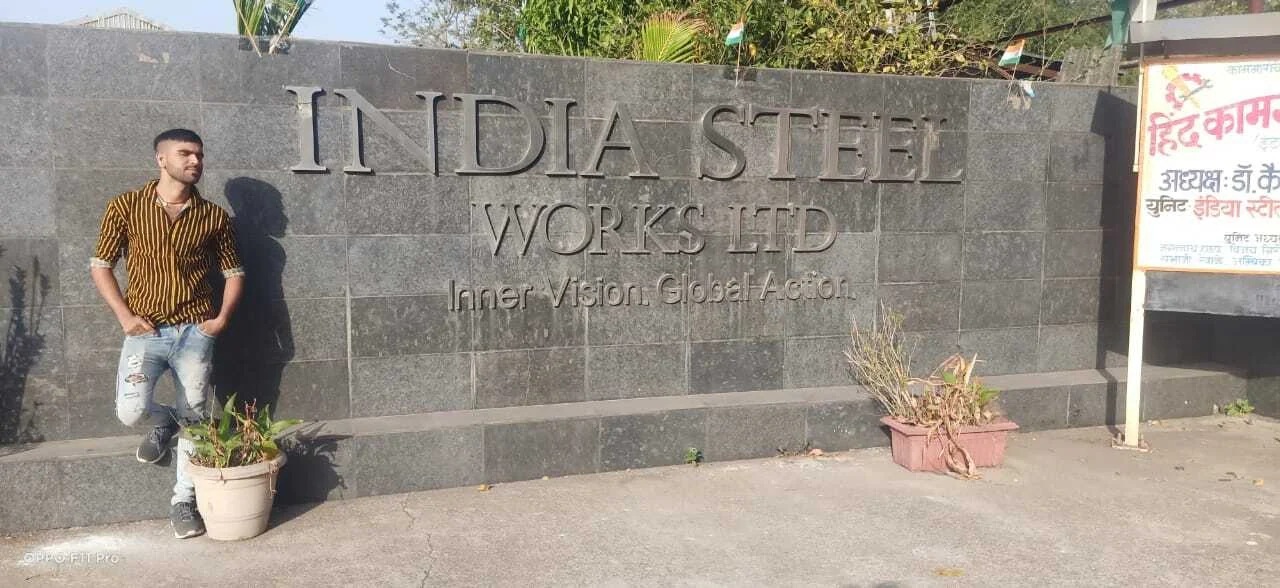
India Homes Ltd FY26: From Non-Performing Asset to Mumbai Real Estate Pivot
Section 1 — At a Glance
India Homes Ltd (formerly India Steel Works Ltd) pulled off an extraordinary financial plot twist in FY26. After years of chronic losses, asset decay, and being classified as a Non-Performing Asset (NPA), the company generated a net profit of ₹18.66 crore for the full fiscal year ending March 31, 2026—a monumental swing from the ₹13.39 crore loss clocked in FY25. Investors are closely monitoring the company’s radical transformation, abandoning its completely dormant stainless-steel manufacturing business to venture into high-margin Mumbai real estate redevelopment. This dramatic pivot was spearheaded by a landmark joint venture with the Lloyds Group to develop its legacy land parcel in Khopoli, alongside a series of balance sheet clean-up measures.
However, extreme caution remains the prevailing sentiment. The headline profitability was driven almost entirely by a sudden operational unlock in the final quarter of the year. The statutory auditors have maintained a deeply concerning “disclaimer of opinion,” red-flagging unconfirmed balances, long-standing unapproved insurance claims of ₹11.2 crore, and an unresolved audit trail for contingent liabilities. Furthermore, its credit rating languishes at “BWR D” within the “Issuer Not Cooperating” category, reflecting years of missed debt obligations and an absolute lack of transparency with credit rating agencies. Financial turnarounds are rarely neat; a sudden surge in accounting profit can easily mask deeply entrenched legacy operational risks. The fundamental question is whether this real estate pivot is a sustainable corporate resurrection or a final, desperate attempt to liquidate assets.
Section 2 — Introduction
India Homes Ltd, incorporated in 1990, historically operated as a micro-cap steel manufacturer and trader of specialty metal derivatives and organic chemical intermediates. For nearly a decade, the company’s heavy industrial assets lay completely dormant, trapped in a downward spiral of structural debt defaults, vendor disputes, and operational cessation.
This comprehensive research report breaks down India Homes’ sudden transformation at this precise juncture. With its legacy business officially dead, the board approved an overhaul in November 2025, changing the company’s name and completely rewriting its corporate charter. By executing a series of aggressive asset monetization and debt settlement maneuvers, the corporate shell is being repurposed to act as a vehicle for premium real estate plays in Mumbai’s land-scarce micro-markets.
Section 3 — Business Model: WTF Do They Even Do?
Historically, India Homes operated a Steel Melt Shop, Rolling Mills, and Bright Bar facilities across Navi Mumbai, Savroli, and Khopoli, boasting an installed capacity of roughly 1.80 lakh tons per annum. Today, those metallurgical divisions are functionally obsolete.
The new avatar of India Homes is an asset-light Mumbai real estate redeveloper. The revamped model operates via three primary strategies:
Direct Redevelopment: Target high-density, supply-constrained micro-markets like Wadala, Matunga, and Chembur to transform under-utilized residential plots into premium housing.
Joint Ventures (JVs): Partner with heavily capitalized developers to monetize extensive legacy land banks. The flagship example is the development agreement with Lloyds IHL LLP to build “Waterfall Enclave” across a massive 60 lakh square feet area in Khopoli.
Execution Infrastructure: Leverage the promoter group’s local network to manage tenant rehabilitation, structural approvals, and municipal handshakes.
Are they actually building anything yet? Not quite. The company is currently operating primarily on paper, moving through the critical pre-launch and regulatory approval pipelines.
Section 4 — Financials Overview
Figures are standalone, in ₹ crore.
The company files its financial results on a quarterly frequency. The table below captures the abrupt revenue and profit surge that occurred during the final quarter of the fiscal year.
Quarterly Comparison Table
Metric
Latest Quarter (Mar 2026)
YoY (Mar 2025)
QoQ (Dec 2025)
Revenue
24.48
0.00
0.00
EBITDA / Operating Profit
23.20
-1.10
-0.72
PAT
22.85
-3.30
0.43
EPS (₹)
0.57
-0.08
0.01
The financial data highlights an extreme concentration of performance. For the first nine months of FY26, the company generated virtually zero revenue and experienced severe operational cash burn. Then, in Q4 FY26, a sudden recognition of ₹24.48 crore from newly initiated real estate development activities instantly reshaped the entire fiscal year’s performance. This structural shift proves that in project-based industries like real estate, past quarterly run-rates have zero predictive power over future performance.
What is Management Promising in the Coming Quarters?
Given that this is the inaugural reporting period of the transformed entity, management has laid out a highly ambitious, multi-year launch timeline in its communication: