LT Foods Ltd Q4 FY26: Massive Topline Explosion Meets 50% US Tariff Shock and Margin Compression
1. At a Glance
The premium global food consumer goods arena is witnessing a massive structural shift, and LT Foods Ltd is at the center of a high-stakes global trade drama. The latest consolidated financial statements show an unprecedented topline expansion. Total sales rocketed past the milestones to settle at a historic ₹10,946 crore for the full fiscal year ended March 31, 2026.
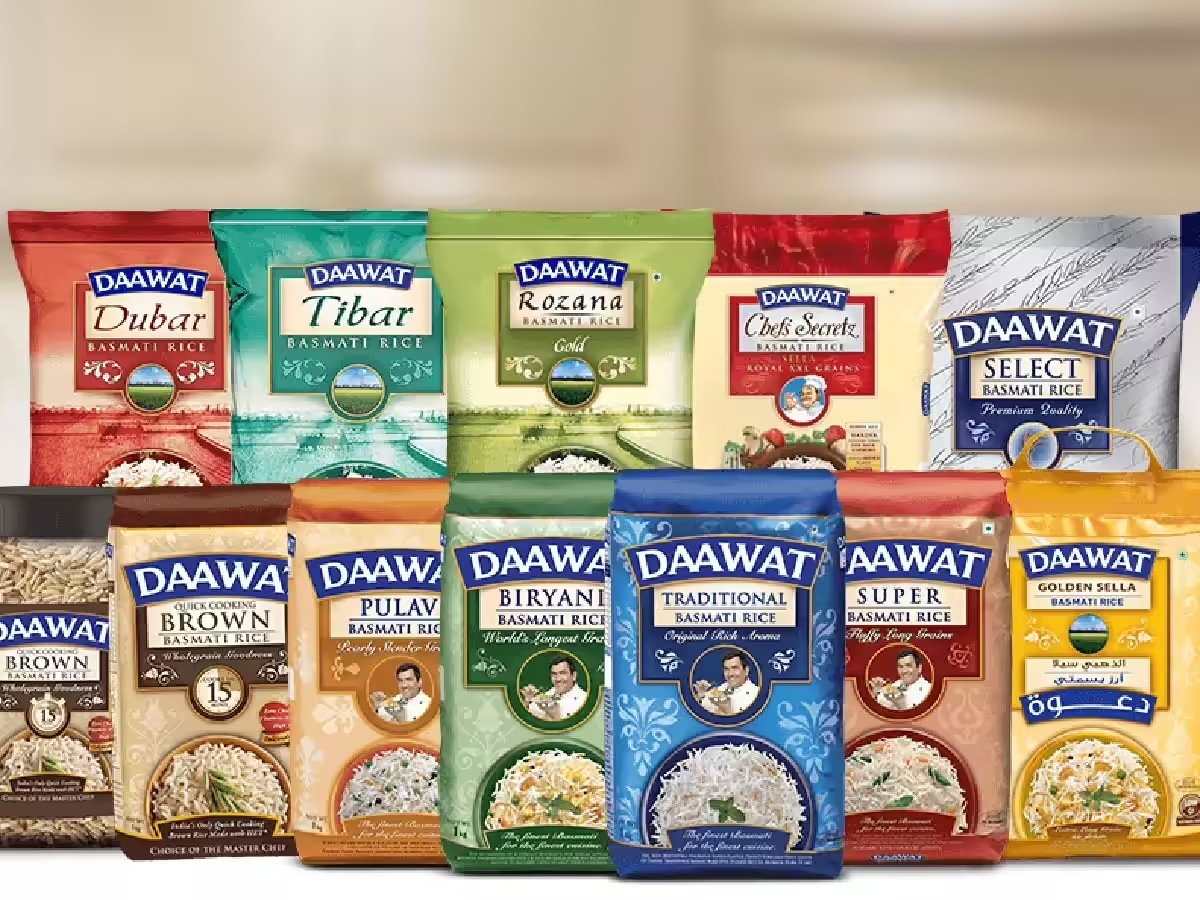
This relentless growth engine is heavily fueled by the company’s aggressive international push, where its dominant brands like Daawat and Royal capture massive market shares. It commands over 60% of the US basmati import category and an impressive 30% of the branded basmati space back home in India.
Yet, beneath this glittering facade of double-digit volume spikes and record-breaking quarterly revenue, a storm is brewing. The fiscal numbers reveal deep stress points that are beginning to shake the bottom line.
Topline Rocket Surge (₹11,023 cr Total Income)
→ Geopolitical Tariff Imposition (50% US Import Duty)
→ Sudden Margin Erosion (OPM drops to 9% in Q4)
→ Significant Net Profit Contraction (-15.5% YoY PAT drop)
The core issue lies in an aggressive geopolitical squeeze. The United States Department of Commerce clamped a staggering 50% tariff on imported values, forcing the management into an immediate, high-friction pass-through strategy that has pushed consumer shelf prices up by approximately 25%. While the company aggressively protected its absolute EBITDA dollars, the mathematical distortion of absorbing and passing on this duty compressed the consolidated Operating Profit Margin to a low 9% in the final quarter of the fiscal year.
Simultaneously, a raw material crisis is quietly unfolding in the domestic procurement hubs. Domestic weather disruptions and falling crop yields have short-circuited previous projections of cheap paddy availability, driving up inventory procurement costs by 7% to 8% on a full-year basis.
Concurrently, corporate actions reveal structural shifts. The company’s ambitious €25 million cross-border acquisition of the Global Green Group in Europe was flatly blocked and rejected by the Ministry of National Economy in Hungary, citing sensitive national, economic, and sectoral risks. This forced a sudden strategic withdrawal from the transaction.
With net profits dropping by 15.5% in the latest quarter and internal cash flows tightly locked up under legal bank guarantees for disputed insurance proceeds, the ultimate question emerges: Is this FMCG giant a resilient compounding machine or a massive inventory-heavy business highly vulnerable to global trade friction?
2. Introduction
LT Foods Ltd stands as an established giant in the specialty rice ecosystem, transitioning from a localized milling operation started seven decades ago by the Amritsar-based Arora family into an integrated, farm-to-fork global consumer powerhouse.
The enterprise operates a highly sophisticated supply chain model that spans from direct paddy procurement across tens of thousands of farming families to high-tech processing hubs strategically located across India, the United States, the United Kingdom, and continental Europe.
Its commercial strength is anchored in high brand equity, enabling it to command significant shelf space across modern trade, general retail, e-commerce, and fast-growing quick-commerce networks globally.
Farm Procurement (80% Stock Coverage)
→ Integrated Milling (106 TPH Global Capacity)
→ Global Brand Distribution (85+ Sovereign Nations)
The operational blueprint relies heavily on long-aged grains, which requires massive working capital allocations to mature basmati paddy for 12 to 24 months, ensuring premium quality and texture. This systematic structural design creates deep barriers to entry but exposes the balance sheet to severe inventory cycles and volatile agricultural input pricing.
The corporate structure is fully consolidated, encompassing key business operations like Daawat Foods Ltd and Nature Bio Foods Ltd alongside international subsidiaries like LT Foods America Inc. This structure funnels diversified global consumer cash streams directly into the core treasury.
3. Business Model – WTF Do They Even Do?
To understand how LT Foods makes its money, you must look past the complex corporate presentations and realize it is a global arbitrage and branding engine built on staple foods. The business takes an agricultural commodity, ages it systematically to eliminate moisture, packages it into premium branded assets, and sells it at a massive premium to the global South Asian diaspora and mainstream Western consumers.
The Corporate Engine Room
Basmati & Specialty Rice Segment: The undeniable heavyweight champion of the business, generating a massive 88% of the total revenue share in the latest fiscal cycle. This engine runs on premium pricing power driven by two flagship labels: Daawat dominating the Indian domestic market and Royal commanding the United States market with a massive 60%+ import share.
Organic Foods & Ingredients: Contributing 9% of total revenues, this segment is managed via Nature Bio Foods Ltd. It links over 80,000 farming families across 110,000 hectares of organic farmland to deliver organic grains, pulses, and oilseeds to health-conscious Western markets. However, it is highly vulnerable to regulatory compliance shocks, such as severe US countervailing duties.
Ready-to-Heat (RTH) & Ready-to-Cook (RTC): The small but highly watched growth bet making up just 2% of the total revenue mix. It features fast-paced consumer options like instant biryani kits, cuppa rice, and Thai green curry packs. While the segment has scaled up 2.5 times since FY21 to reach ₹187 crore, it remains a loss-making venture that is currently dragging down consolidated earnings while waiting to hit a critical ₹400 crore operational breakeven threshold.
4. Financials Overview
The financial performance of the latest period reveals a classic conflict between expanding operational scale and intensifying margin pressure. While full-year revenue numbers look impressive, the fourth quarter performance reveals notable friction points.
Consolidated Performance Matrix
Metric
Latest Quarter (Mar 2026)
Same Quarter Last Year (Mar 2025)
YoY Change (%)
Previous Quarter (Dec 2025)
QoQ Change (%)
Revenue
₹2,907 cr
₹2,228 cr
+30.48%
₹2,809 cr
+3.49%
EBITDA
₹267 cr
₹258 cr
+3.49%
₹314 cr
-14.97%
PAT
₹136 cr
₹161 cr
-15.53%
₹157 cr
-13.38%
EPS (₹)
₹3.91
₹4.62
-15.37%
₹4.53
-13.69%
The latest official results are classified under QUARTERLY RESULTS. Based on the strict annualization rule for March (Q4), the full-year reported EPS stands at ₹18.01, giving the stock a trailing Price-to-Earnings (P/E) multiple of 22.72.
Critical Management Assessment
During the older concalls, management expressed high confidence that crop cycles would stay stable and support steady margin expansion. However, the latest financial reality indicates they did not fully walk the talk.
The unexpected weather disruptions caused actual farm yields to fall far short of initial projections, forcing the group to swallow a sharp 7% to 8% inflation spike in procurement costs.
Furthermore, while the management did successfully execute a pass-through of the aggressive 50% US tariff, it led to a notable compression in percentage margins. The business also took a significant hit from a one-time inventory and tariff cost in the US market during the fourth quarter, which accelerated the double-digit drop in quarterly net profit.