Orient Bell sells tiles but the financials look more cracked than a broken bathroom floor. Despite running 36.9 million sqm capacity, the company delivered just ₹4.3 Cr PAT in FY25 – less than the cost of a luxury bungalow in Delhi. Yet, the stock trades at 101x earnings, as if it’s designing Taj Mahal 2.0.
2. Introduction
Tiles are like the unsung heroes of middle-class India. Whether it’s your uncle’s newly tiled balcony or the “Italian marble finish” in a Noida flat that is definitely not Italian, tiles set the stage for desi home dreams. Orient Bell, established in 1977, has been part of this home-decor obsession.
But while Kajaria and Somany are playing IPL finals, Orient Bell is stuck in Ranji Trophy, occasionally hitting a six but usually surviving on singles. Sales? Flat. Profits? Fragile. Market share? Meh.
Still, investors keep peeking because the company has pedigree (old name, promoter holding ~65%), distribution strength (352 showrooms), and capex for large-format vitrified tiles. The question is – will this laggard ever graduate from “budget bathroom” to “drawing room statement piece”?
3. Business Model – WTF Do They Even Do?
Orient Bell makes and trades ceramic and vitrified tiles, which they distribute via:
Manufacturing units in UP, Karnataka, Gujarat (36.9 MSM capacity).
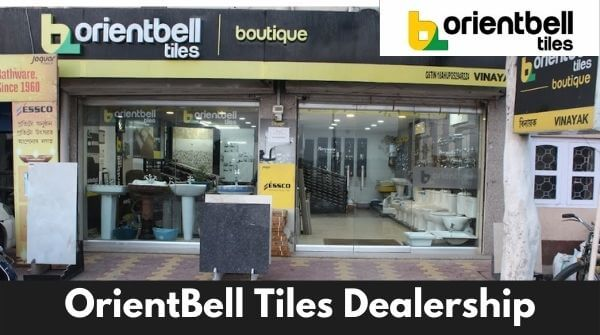
OBTBs (Orient Bell Tile Boutiques): 352 exclusive showrooms (contribute 39% of retail sales).
Tile collections sound like Netflix seasons – Sparkle, Estilo, Inspire, Duazzle, Serenity, Valencia Prime. But financially, it’s less “Sparkle” and more “Matt(e)”.
Revenue split FY23:
Finished goods – 70%
Traded goods – 30%
Exports – Just 1% (apparently foreigners aren’t dying to buy Indian bathroom tiles).
4. Financials Overview
Quarterly Snapshot (₹ Cr)
Metric
Latest Qtr (Jun’25)
YoY Qtr (Jun’24)
Prev Qtr (Mar’25)
YoY %
QoQ %
Revenue
142.9
148.1
198.3
-3.5%
-28%
EBITDA
5.0
4.4
8.7
+13%
-43%
PAT
-0.37
-1.87
2.75
+80%
N.A.
EPS (₹)
-0.25
-1.28
1.88
N.A.
N.A.
Commentary: Margins are thin as wafer – OPM 3–5%. PAT keeps swinging between profit and loss like a new driver handling potholes. At ₹296 CMP, investors are basically betting on future design catalogues, not past financials.