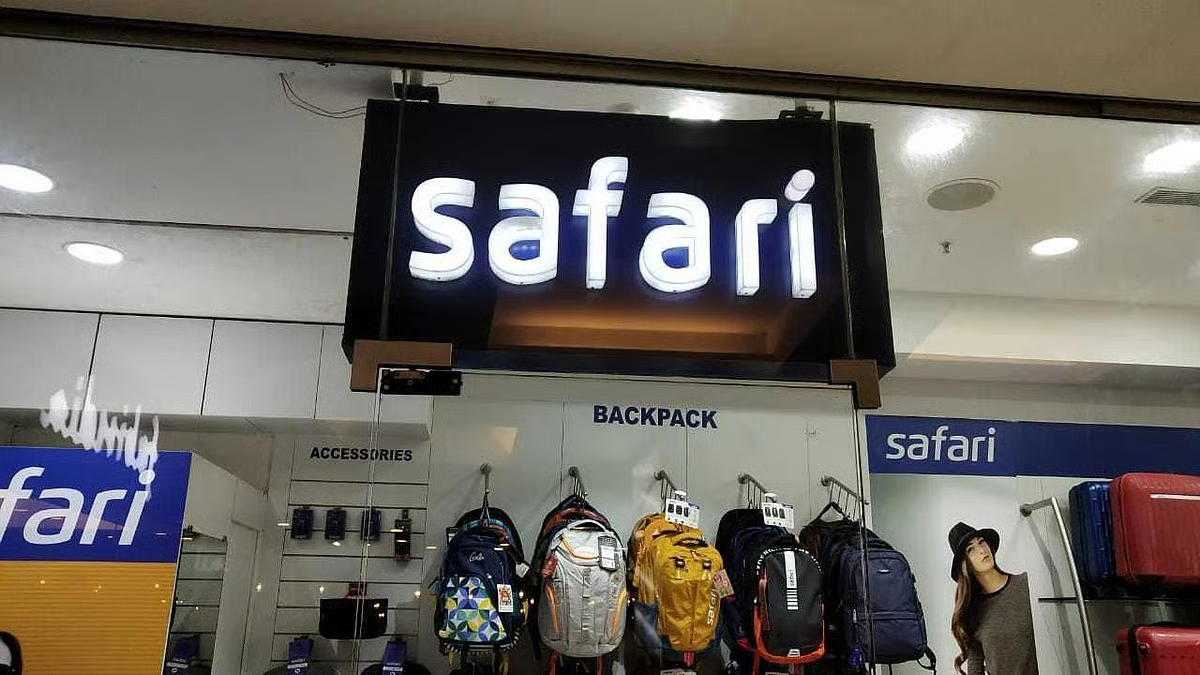
Safari Industries just rolled another quarter’s results into the departure lounge — ₹528 crore in sales, ₹50 crore PAT, and a P/E so high (66.5x) it should come with an oxygen mask. While the luggage business is cyclical, Safari seems to be trying to convince the market it’s the Louis Vuitton of trolley bags, not the “buy at station shop” variety.
2. Introduction
Once upon a time, Safari was the luggage brand your dad bought once in 1997 and then used until the zip gave up in 2012. Today, it’s on a growth trip worthy of an influencer’s Insta reel — revenue CAGR at 36% over 3 years, profits doubling faster than your uncle’s Dubai trip stories. But the market price? Let’s just say even Air India business class feels cheap.
3. Business Model (WTF Do They Even Do?)
Safari’s two main product buckets:
Hard Luggage – Made of polypropylene & polycarbonate, churned out at their Gujarat plant.
Soft Luggage – Imported fabric bags, often made in low-cost hubs overseas.
The mix lets them keep CAPEX moderate while riding consumer demand spikes (wedding season, holiday rush, NRIs over-packing pickles).