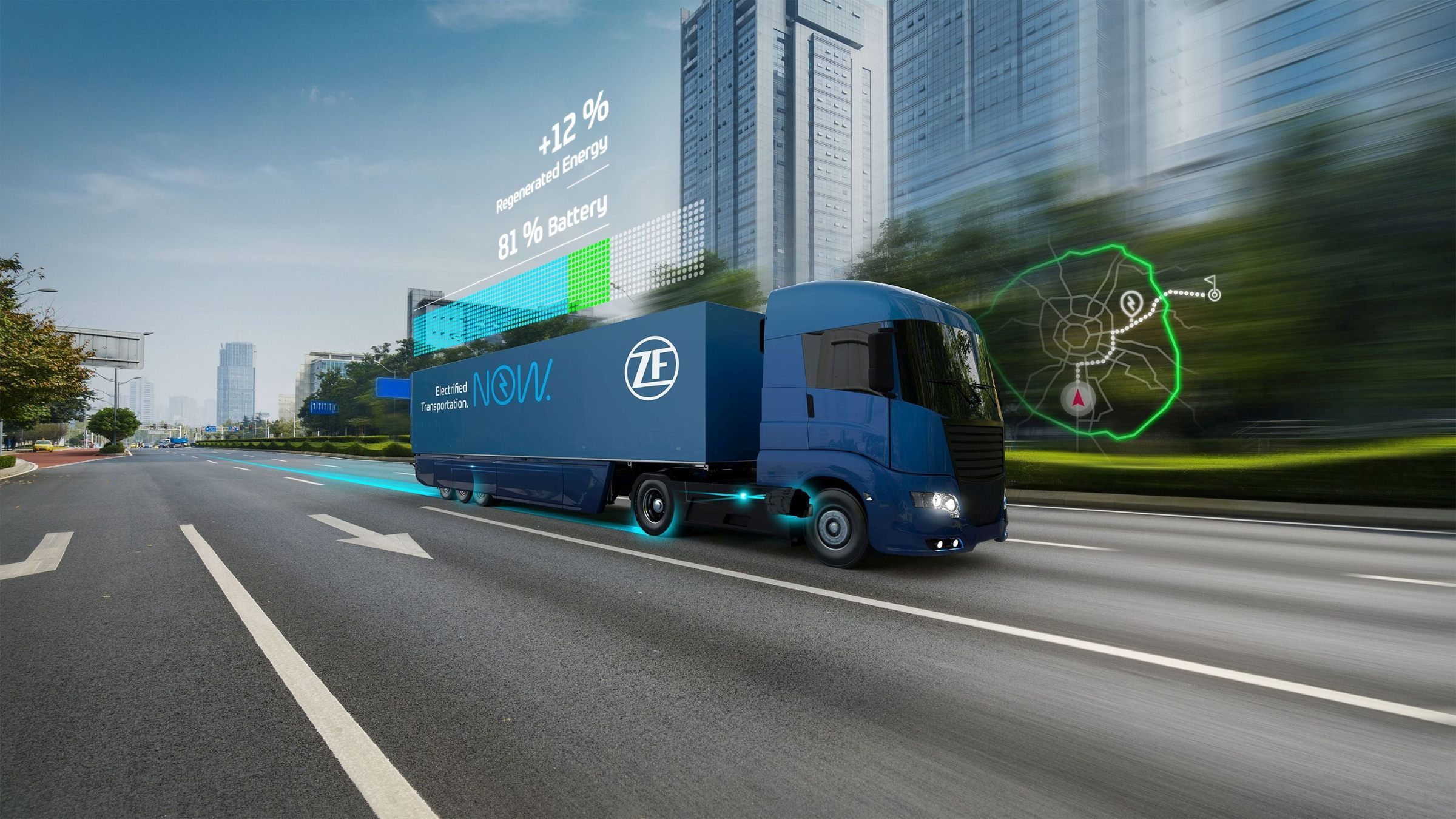
ZF Commercial Vehicle Control System India Ltd (ZFCVINDIA) is not just another auto component player; it is the undisputed heavyweight champion of the Indian air-braking and advanced safety systems market. With a market share that makes competitors look like benchwarmers, this company has consistently demonstrated its ability to outpace the broader commercial vehicle (CV) industry.
The latest financial results for the quarter ended March 31, 2026, reveal a story of sheer dominance, but one that comes with a “premium” price tag that might make the faint-hearted flinch. The company reported a consolidated Revenue from Operations of ₹ 1,155.23 cr, marking a healthy jump from previous periods. More importantly, the Net Profit (PAT) for the quarter stood at ₹ 146.32 cr, continuing its trajectory of double-digit growth.
However, behind these glittering numbers lies a complex web of high expectations and shifting market dynamics. The stock is currently trading at a P/E ratio of 53.6, which is nearly double the industry median of 27.1. This raises a massive red flag for value purists: are you buying a high-growth compounding machine, or are you overpaying for a seat at a table where the meal is already half-eaten?
The company recently announced a 5:1 Bonus Issue, a move designed to boost liquidity and perhaps distract from the fact that the dividend yield is a microscopic 0.13%. While the management has successfully pushed for a “price resetting” of low-margin products, the export market is becoming a battleground. Revenue from exports has slipped from 37% in FY22 to 28% in FY24, largely due to U.S. tariff drama and global demand cooling.
Can ZFCVINDIA maintain its stratospheric valuation while its export engines are coughing? The transition to EV buses and new safety regulations (ESC/ADAS) offers a massive runway, but the competitive pressure is mounting. If the first 150 words didn’t make you question whether this is a “safe” bet or a high-stakes valuation gamble, you aren’t paying attention. The upcoming sections will dissect the “sab number game” and reveal if the management is actually walking the talk.
2. Introduction
ZF Commercial Vehicle Control System India Ltd, formerly known as WABCO India, is essentially the central nervous system of India’s heavy-duty transport. If you see a truck or a bus on an Indian highway, chances are its ability to stop safely is managed by ZF technology.
Operating under the global umbrella of the ZF Group, the company provides everything from conventional braking products to futuristic e-mobility solutions like e-compressors and Electronic Stability Control (ESC). They aren’t just selling iron and rubber; they are selling safety and intelligence.
The company’s headquarter is in the industrial hub of Chennai, and it operates six state-of-the-art manufacturing facilities across India. Their client list is a “Who’s Who” of the automotive world: Tata Motors, Ashok Leyland, Daimler, Volvo, and even luxury carmakers like BMW and Audi.
In the world of finance, stories are often written in the ink of margins and growth rates. ZFCVINDIA has been a steady compounder, but the recent shift in the automotive landscape—from internal combustion engines (ICE) to Electric Vehicles (EVs)—has forced the company to reinvent its portfolio.
The story here is about a market leader trying to stay relevant in a world that is moving toward “Software Defined Vehicles.” The management is aggressive, the parent company is a global titan, and the Indian infrastructure story is providing the wind for their sails. But as any seasoned traveler knows, the faster you go, the harder you hit the bumps.
3. Business Model – WTF Do They Even Do?
ZFCVINDIA makes the parts that prevent multi-ton trucks from turning into runaway missiles. They specialize in Advanced Braking Systems, conventional braking products, and related air-assisted technologies.
Think of them as the people who build the “brakes and brains” of a commercial vehicle. Their business is divided into four distinct buckets:
OEM (Original Equipment Manufacturers): Supplying directly to truck and bus makers. This is their bread and butter, accounting for ~49% of revenue.
Exports: Sending Indian-made precision components to the global ZF network. This was a crown jewel but is currently facing headwinds, contributing ~28%.
Aftermarket: Selling spare parts and providing services to old vehicles. This is the high-margin, “sticky” part of the business (~12%).
Service Income: Software development and engineering services for the global parent (~11%).
They are currently moving up the value chain. Instead of just selling a brake pedal, they are selling ESC (Electronic Stability Control) and ADAS (Advanced Driver Assistance Systems).
Management is trying to play the “Safety Regulation” card. Every time the government mandates a new safety feature, ZFCVINDIA’s cash register rings. It’s a smart model—let the regulators do your marketing for you. But here is the catch: as these technologies become mainstream, competitors from the passenger car segment are jumping in, trying to commoditize what ZFCVINDIA treats as “premium.”
4. Financials Overview
ZFCVINDIA reports results on a Quarterly basis. Based on the latest data for the quarter ended March 31, 2026, we see a company that is growing, albeit with some “seasonal” accounting quirks that management was quick to point out in previous calls.