Worth Peripherals FY26: Revenue Hits a Record ₹305 Cr While the Owners’ Slice of Profit Quietly Shrinks
Spotted a factual error — a wrong number, date, or fact? Tell us and we will check the source.
General information and entertainment, not investment advice. The author is not a SEBI-registered adviser or research analyst. No recommendation, no promised returns. Markets carry risk including loss of capital. Figures may not be current. Consult a registered adviser before acting.
1 — At a Glance
Worth Peripherals closed FY26 with the biggest top line in its history: consolidated revenue of ₹305 crore, up from ₹276 crore a year earlier. That is the good news, and it is real. The odd part sits one line below. Profit attributable to the company’s owners was ₹14.63 crore — down from ₹15.43 crore in FY25 and ₹15.88 crore the year before that. Three straight years of rising sales, three straight years of a slightly smaller owner’s profit. Something is diverting the money between the revenue line and the shareholder, and the consolidated statement names two culprits without much ceremony: a fast-growing minority interest and a capex bill that has swollen the balance sheet.
The market currently pays 14.5x earnings for the company against an industry multiple of 21.4x. Borrowings doubled in a year to ₹41.5 crore, and the ₹69 crore cash cushion of FY25 has been drawn down to ₹34 crore. A greenfield plant is mid-installation. This is a boring corrugated-box maker doing something distinctly un-boring with its balance sheet — the record of one year is easy; the trajectory is the interesting read.
2 — Introduction
Worth Peripherals was incorporated in 1996 by Raminder Chadha and runs out of Indore, Madhya Pradesh. It makes corrugated boxes — the brown packaging that carries almost everything else — and has done so, more or less unchanged in concept, for close to three decades. It is listed on the NSE and BSE, carries a market capitalisation of ₹213 crore, and sits in the small-cap corner of the packaging sector where CRISIL politely files it under “average scale of operations.”
The recent chapters are about expansion rather than the core box business. In December 2024 the company made Worth Wellness Private Limited a wholly owned subsidiary, and it consolidates two others — Worth Wellness and the partnership firm Yash Packers. CRISIL reaffirmed its BBB+/Stable and A2 ratings in November 2025. The FY26 audited results were approved on 12 May 2026 with an unmodified auditor opinion and a recommended 10% dividend (₹1 per share). Around the same window the company appointed a new internal auditor and, on 22 May 2026, disclosed that Chairperson and Whole-Time Director Raminder Singh Chadha bought 6,391 shares on the open market.
The through-line of the year is a subsidiary plant, some borrowed money, and a promoter family that still holds just over two-thirds of the company.
3 — Business Model: WTF Do They Even Do?
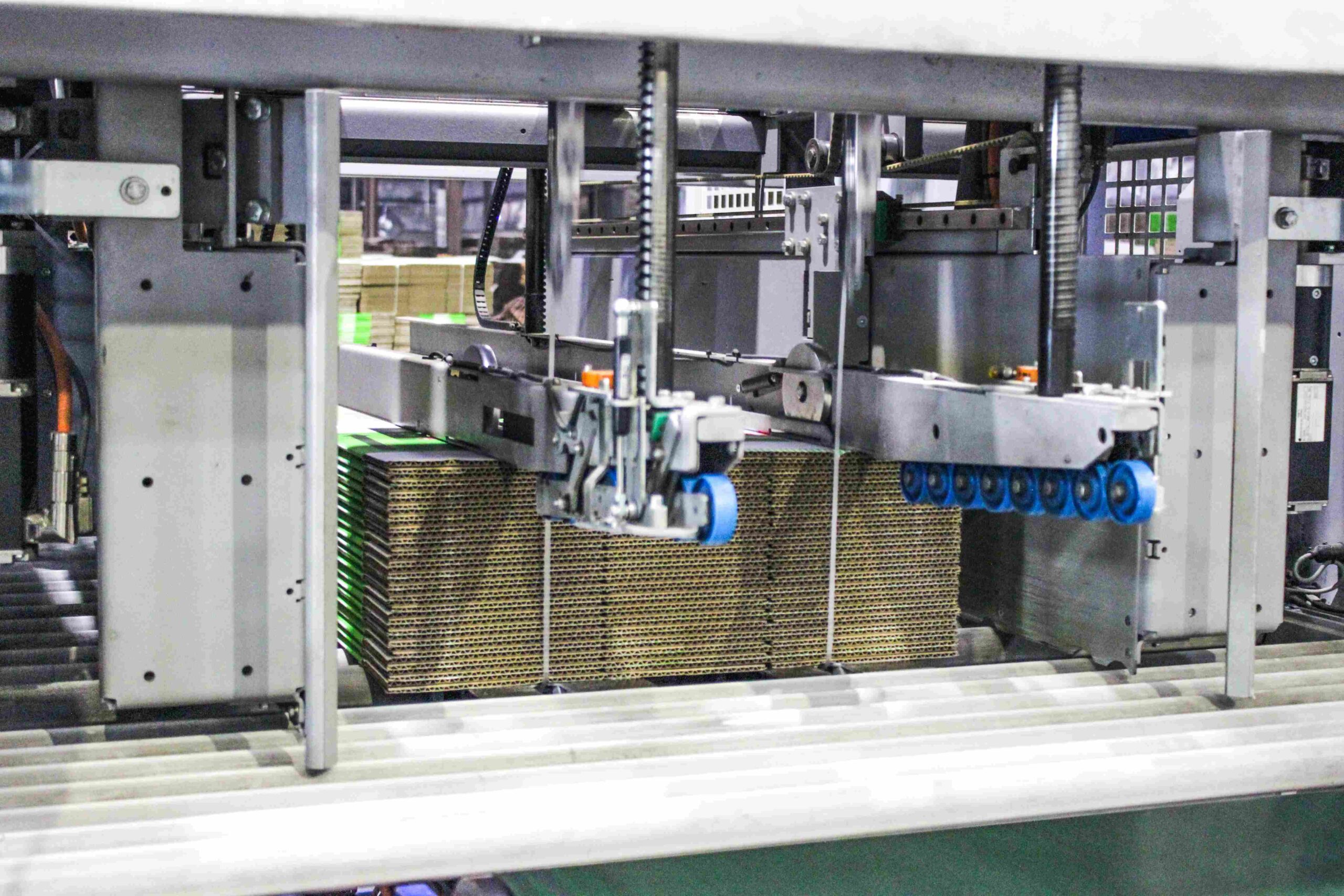
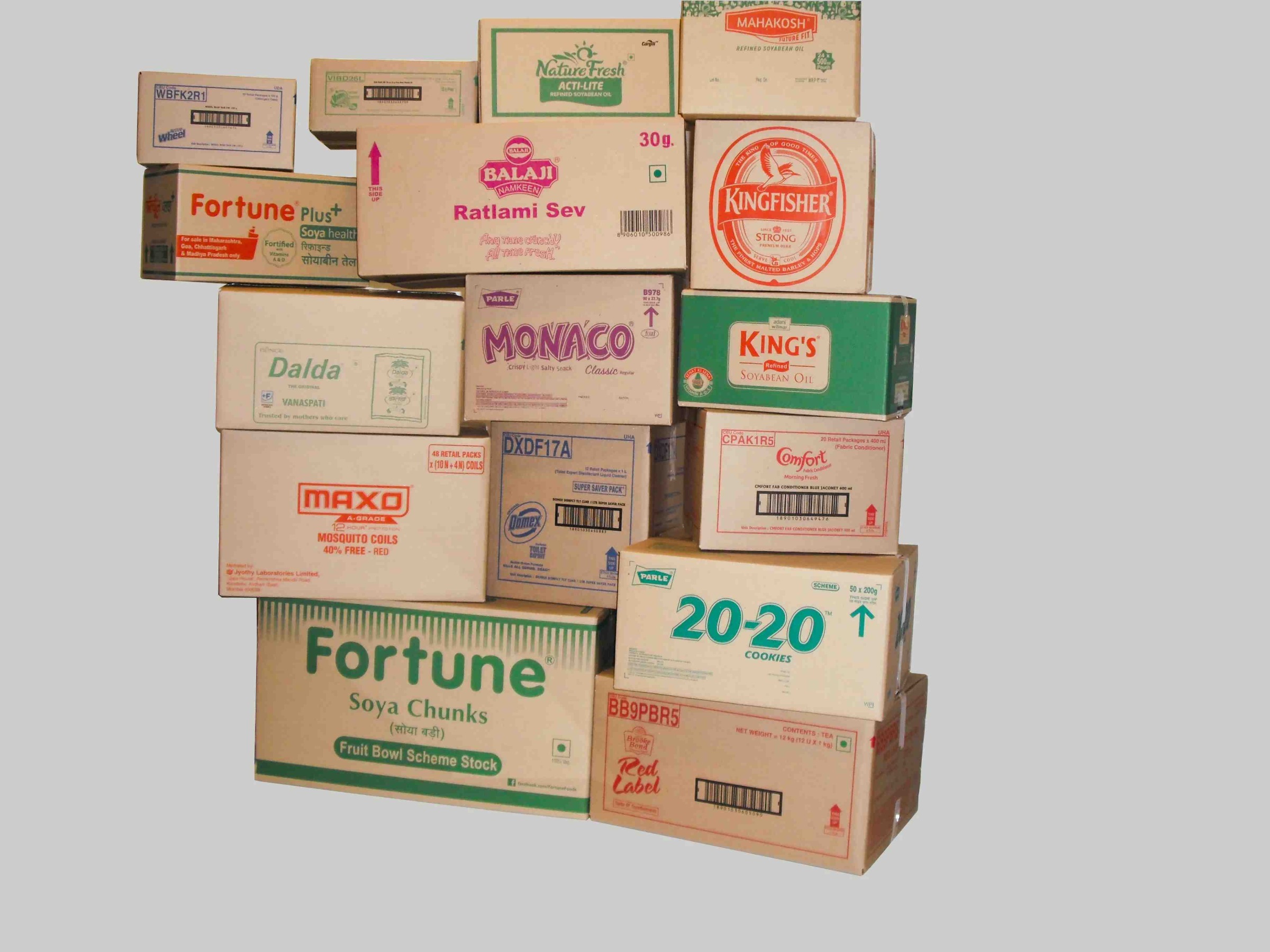
They make boxes. Specifically, corrugated boxes cut from kraft paper — Regular Slotted Containers, die-cut boxes and trays, multi-colour printed boxes, and honeycomb partitions. If you have ever unpacked a carton of consumer goods and immediately forgotten the carton existed, that is the entire value proposition working exactly as designed. Worth’s customers sit largely in the FMCG world, which is precisely why CRISIL keeps praising the “established clientele” — repeat orders from large buyers are the whole moat, because a corrugated box is not a product anyone falls in love with.
The physical footprint is modest and specific: two manufacturing units at Pithampur with installed capacity of roughly 48,000 MT per annum, about 120 employees, a fleet of 85 GPS-enabled vehicles, and around 1,000 SKUs. It is a single-segment company — “Manufacture and Sale of Corrugated Boxes,” the auditor notes, is the only operating segment there is.
The vulnerability is baked into the input. Kraft paper prices are volatile, and per CRISIL raw material is 65–70% of the cost of sales. That leaves operating margin permanently hostage to paper prices, with cost pass-through the only defence in a competitive market. It shows: operating margin has parked in the 10–12% band for years and refuses to leave. The newer subsidiary, Worth Wellness, is a swing into personal care — a business with nothing to do with cardboard — and its plant is still being installed. So the “model” is a steady box business bolted to a not-yet-running diversification bet.
Does a two-thirds promoter holding and a single product line make a company focused, or just concentrated?
4 — Financials Overview
Figures are consolidated, in ₹ crore.
Metric
Latest Q (Mar 2026)
YoY
QoQ
Revenue
76.13
+7.0%
+1.4%
Operating Profit
9.03
+7.6%
+10.0%
PAT (owners)
3.45
−30.9%
+8.5%
EPS (₹)
2.19
vs 3.17
vs 2.02
The quarter reads like two different stories stacked on top of each other. Revenue and operating profit both rose — the box business itself is running fine,