1. At a Glance
Wardwizard Innovations – the company that gave us Joy E-Bikes, but lately it feels more like Dukh E-Scooters. Once riding the EV hype wave, it’s now trading at ₹13.7 with a 75% crash in one year, promoters pledging 30% of their shares, and CRISIL downgrading them to BB+ (aka: banks’ polite way of saying “bhai, risky hai”). Still, they boast about USD 1.29 Bn export orders, swappable batteries, and 7,500 scooter leasing MoUs. Question is – is this the next Ola Electric… or the next “E-rickshaw bankruptcy case study”?
2. Introduction
India’s EV market is a Bollywood-style masala film: big dreams, bigger valuations, and even bigger losses. Into this entered Wardwizard, proudly calling itself “India’s first BSE-listed EV manufacturer”. Great branding, until you realise FY25 revenue is just ₹286 Cr – a figure Bajaj Auto makes before lunch.
Wardwizard’s pitch is simple: green mobility for all – with low-speed scooters, rickshaws, loaders, and golf carts (yes, for those who think DLF greens is their commute). On paper, it’s a dream. In reality, sales are falling, debt is rising, and the stock price has gone from ₹58 to ₹13 faster than your Ola driver cancelling the ride.
They are busy signing MoUs in Saudi Arabia, the Philippines, and now Battery Smart (swappable batteries, starting Jan 2026). But back home? Revenues dropped, debt shot up from ₹14 Cr (FY23) to ₹199 Cr (H1 FY25), and promoters had to pledge away a third of their holding to keep the lights on.
So – is this an EV innovator or just another PowerPoint unicorn? Let’s dig.
3. Business Model (WTF Do They Even Do?)
Wardwizard’s empire rests on:
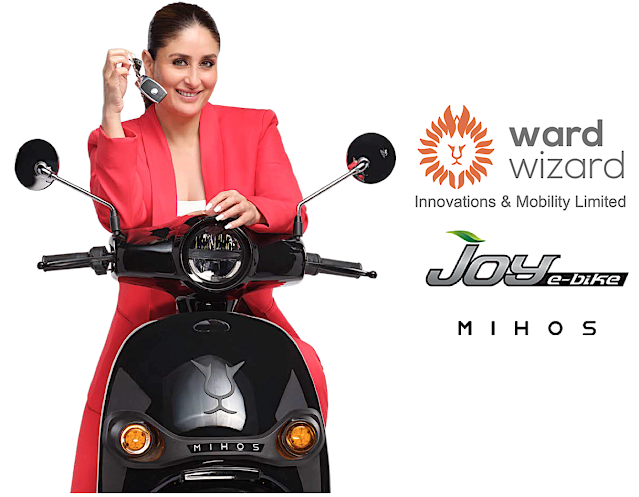
- Joy E-Bike portfolio: Low-speed scooters (Wolf, Glob), high-speed ones (Mihos, Wolf+), and eco-variants (because Indians love discounts, even in naming).
- 3-Wheelers: E-rikshaws (Joy E-Bandhu), E-Trikes, loaders, and carts – the true Indian EV bread and butter.
- Exports: LOIs worth billions – including a USD 1.29 Bn