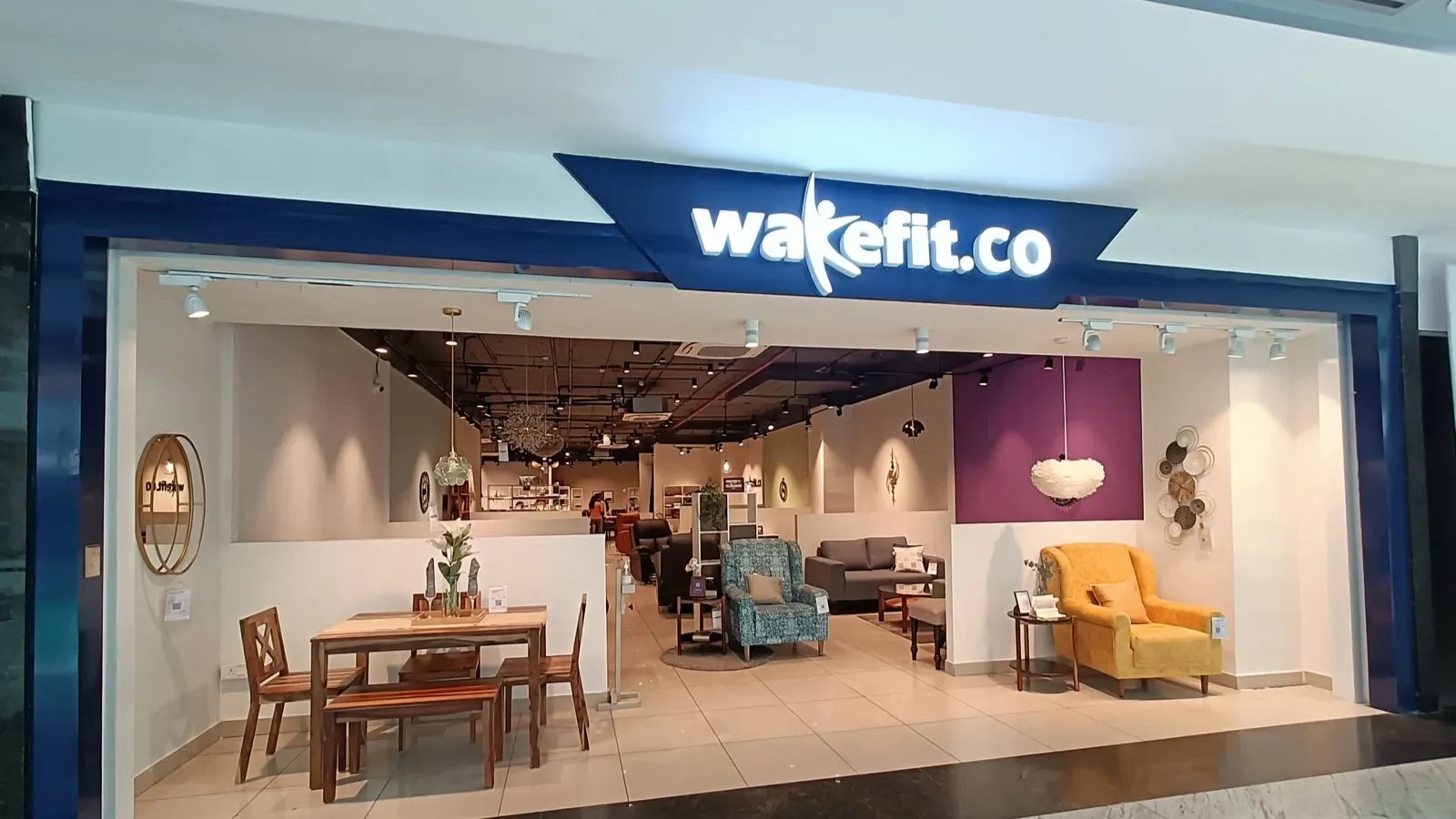
Wakefit Innovations Q3 FY26: ₹4,213 Mn Revenue, 1,585% Profit Jump & 86x EV/EBITDA — Dream Run or Dream Mattress?
1. At a Glance – The Mattress That Finally Woke Up
₹7,037 crore market cap. ₹216 stock price. Q3 FY26 revenue at ₹421 crore. PAT at ₹32 crore. Quarterly profit growth? A cinematic 1,585%.
After years of bleeding cash like a startup addicted to performance marketing, Wakefit Innovations Ltd has finally reported a profitable quarter in December 2025. OPM expanded to 14%. Sales up 9.39% YoY.
But wait — ROE is still negative at -8.20%. ROCE at -1.53%. EV/EBITDA at a spicy 86.5x. Debt to equity at 0.58.
So what is this company? A turnaround story? A D2C success case? Or a recently IPO-listed brand trying to prove it’s not just an Instagram mattress with celebrity endorsements?
One profitable quarter doesn’t make a dynasty. But it does make investors curious.
Let’s peel back the foam layers.
2. Introduction – From Startup Energy to Public Market Pressure
Incorporated in 2016, Wakefit Innovations is a classic D2C disruptor. No dealers. No middlemen. No “bhaiya showroom mein aaiye.” Just website, ads, and mattresses delivered to your doorstep.
They built a brand around sleep.
But building a brand is expensive. Marketing cost? 7.56% of revenue in FY25. Celebrities like Bobby Deol and Ayushmann Khurrana weren’t endorsing out of kindness.
Then came the IPO in December 2025. ₹1,289 crore raised. Fresh issue of ₹377 crore earmarked for 117 new stores, equipment, marketing and lease capex.
And suddenly, Wakefit wasn’t just a startup. It was a listed company.
Now the quarterly results are public. The market sees everything.
The big shift? They moved from consistent losses to a profitable Q3 FY26. But is this structural improvement or just festive quarter magic?
You tell me — have they truly woken up?
3. Business Model – WTF Do They Even Do?
Wakefit sells three major things:
Mattresses (61.35% of FY25 revenue)
Furniture (27.6%)
Furnishings (11%)
So yes, they are more than a mattress company now. They want to be your full bedroom partner.
Their model is vertically integrated. They design, manufacture, distribute, and sell. Full-stack control. CAD/CAM systems. Automated production.
Manufacturing capacity (September 2025):
Mattresses: 0.64 million
Furniture: 0.33 million
Furnishings: 1.59 million
Five factories. One central warehouse. Seven inventory points. Eighteen delivery hubs.
Distribution?
Online: 66.7%
Offline: 33.3%
COCO stores exploded from 23 in FY23 to 125 stores by H1FY26. MBO network: 1,504 stores across 395 cities.
Translation: They started online. Now they’re becoming omnichannel like every D2C brand eventually does.
Because guess what? India still likes touching furniture before buying it.
4. Financials Overview – The Quarter That Changed the Mood
Quarterly Performance (Figures in ₹ Crores)
Metric
Dec 2025
Dec 2024
Sep 2025
YoY %
QoQ %
Revenue
421
385
377
9.39%
11.67%
EBITDA
59
20
41
195%
43.9%
PAT
32
-2
16
NA
100%
EPS (₹)
0.97
-2.29
1.01
NA
-3.96%
From -₹2 crore loss to ₹32 crore profit. That’s not growth. That’s a personality transformation.
OPM moved from 5% last year to 14% now.
But EPS slightly dipped QoQ (1.01 to 0.97). Why? Increased depreciation and interest still heavy.
Is this sustainable margin expansion? Or festive season cushion?