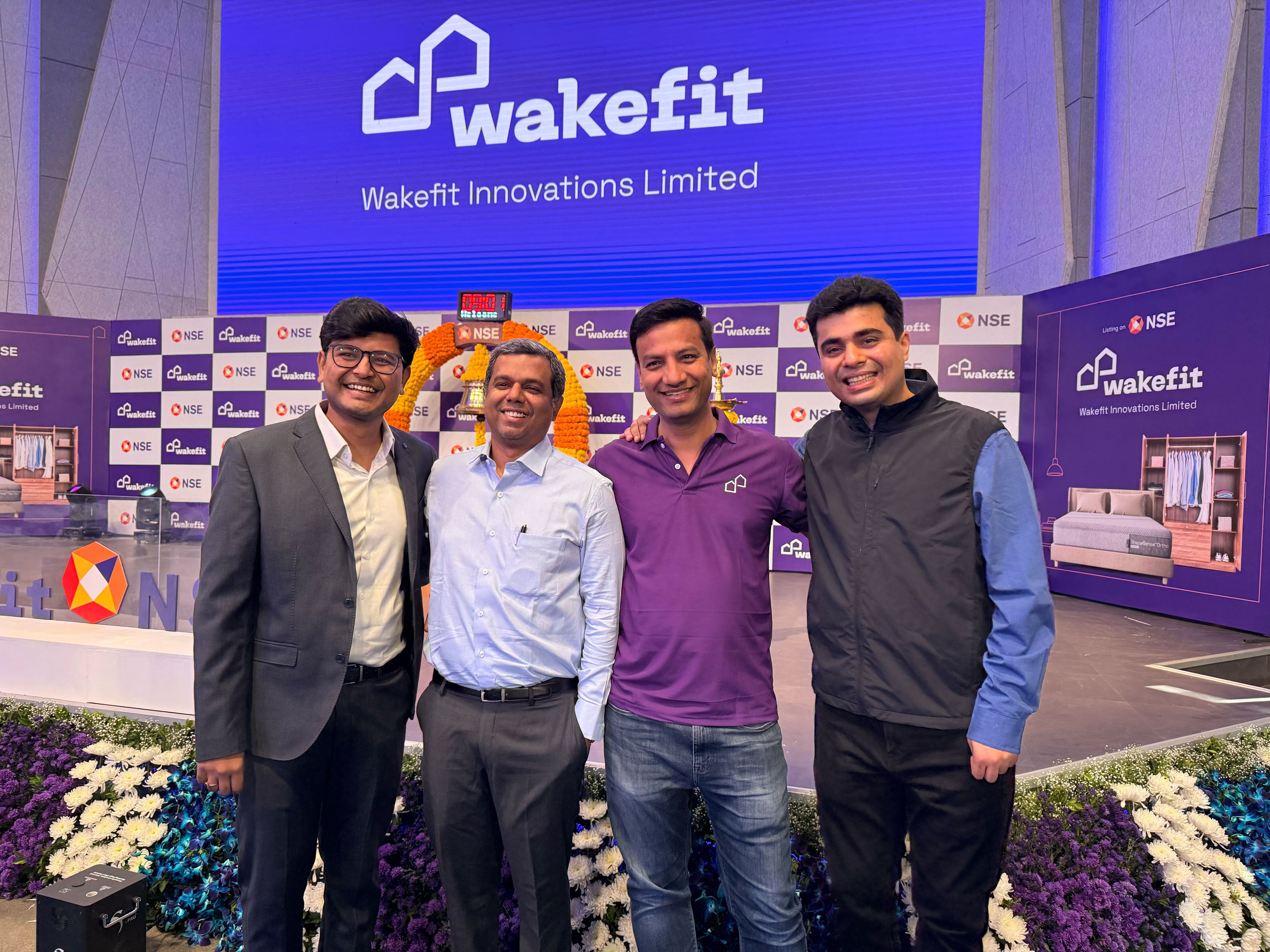
Wakefit Innovations Ltd H1 FY26 – ₹724 Cr Revenue, ₹36 Cr PAT, 12% OPM: From Selling Sleep Online to Running a Nationwide Furniture Empire
1. At a Glance – Mattress Se IPO Tak
Wakefit Innovations Ltd is what happens when a mattress startup decides it doesn’t want to remain just a mattress startup. Incorporated in 2016 and listed in December 2025, Wakefit today commands a market capitalisation of ₹5,574 crore at a stock price of ₹171, barely weeks after IPO euphoria cooled and reality clocked in. The company clocked ₹724 crore in sales in H1 FY26, reported ₹35.6 crore in quarterly PAT, and delivered a surprisingly grown-up 12% operating margin in its latest reported half year. Sales for FY25 stood at ₹1,274 crore, growing at a 29% CAGR over three years, while profits… well, profits are still learning how to walk without falling. ROE sits at -8.2%, ROCE at -1.53%, and EV/EBITDA is a spicy 69x, because optimism is still on sale. Promoter holding dropped sharply post-IPO to 37.4%, FIIs walked in with 36.6%, and suddenly Wakefit went from “startup bhaiya” to “public market adult with EMIs”. This is a company that sells sleep but keeps investors awake.
2. Introduction – The Wakefit Origin Story, Minus the Startup TED Talk
Wakefit started in 2016 with a simple idea: Indians deserve better mattresses without showroom drama, pushy salesmen, and mysterious “70% discounts” that somehow last all year. The direct-to-consumer model clicked. Mattresses shipped in boxes, trials at home, refunds without drama. Internet loved it. Venture capital loved it more.
But Wakefit didn’t stop at mattresses. Somewhere along the journey, management woke up and decided, “Why not furniture? Why not furnishings? Why not entire homes?” And just like that, Wakefit became a home and sleep solutions company, which is corporate language for “we’ll sell you everything from your bed to the table next to it”.
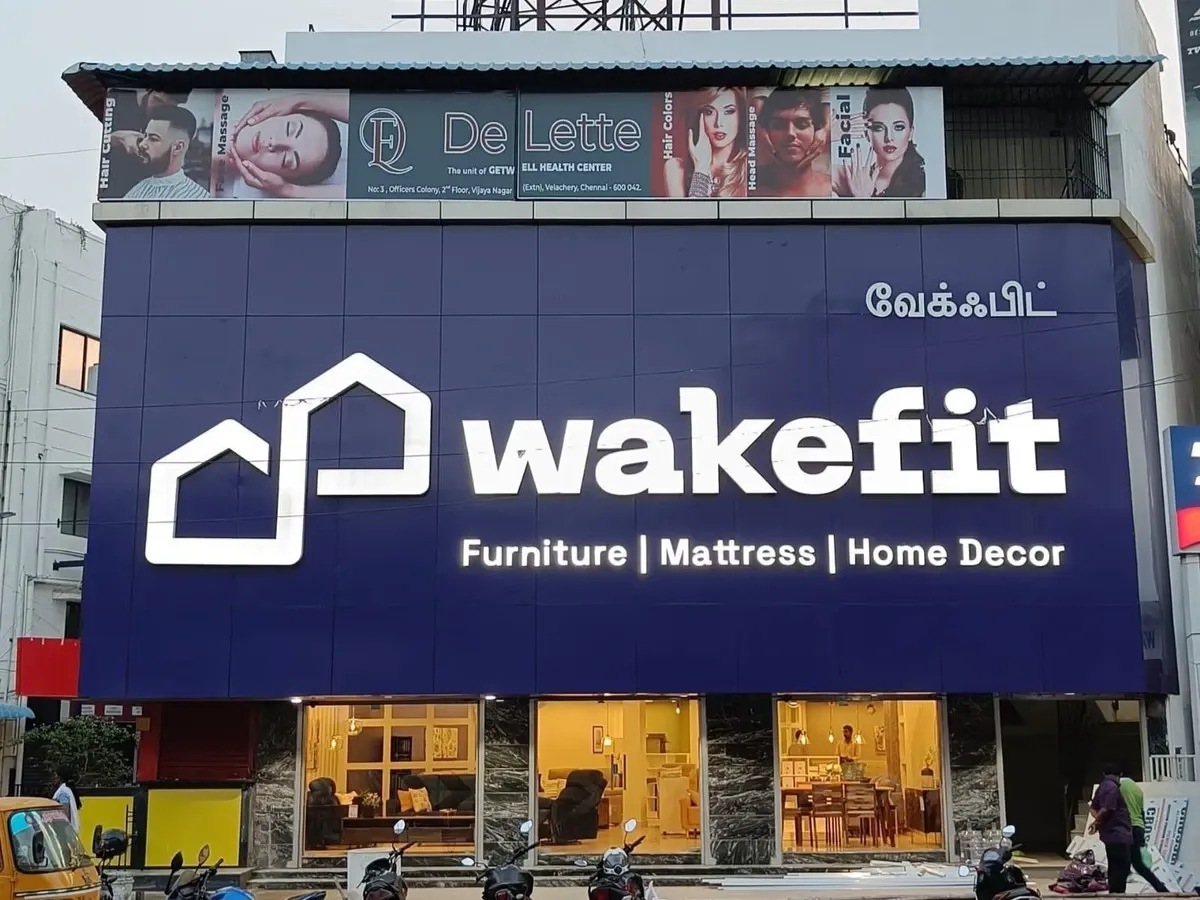
Fast forward to FY25–FY26: Wakefit is now among the top 3 organised mattress players in India by revenue, runs 125 COCO stores across 62 cities, and has cracked 1,504 multi-brand outlets in just 3.5 years. This is not slow D2C. This is D2C on Red Bull.
Yet, profitability has been elusive. Losses piled up until FY24. FY25 narrowed them. H1 FY26 finally showed profits. The big question remains: is this the beginning of sustainable profitability, or just a temporary nap before another capital-hungry sprint?
3. Business Model – WTF Do They Even Do?
Wakefit operates a full-stack, vertically integrated D2C model, which basically means they don’t outsource their headaches. They design products in-house using CAD/CAM, manufacture across five facilities in Karnataka, Tamil Nadu, and Haryana, control logistics through a central warehouse, seven inventory hubs, and eighteen delivery points, and sell directly via website, COCO stores, marketplaces, and MBOs.
Revenue split in FY25 was refreshingly clear: Mattresses contributed 61.35%, furniture 27.6%,