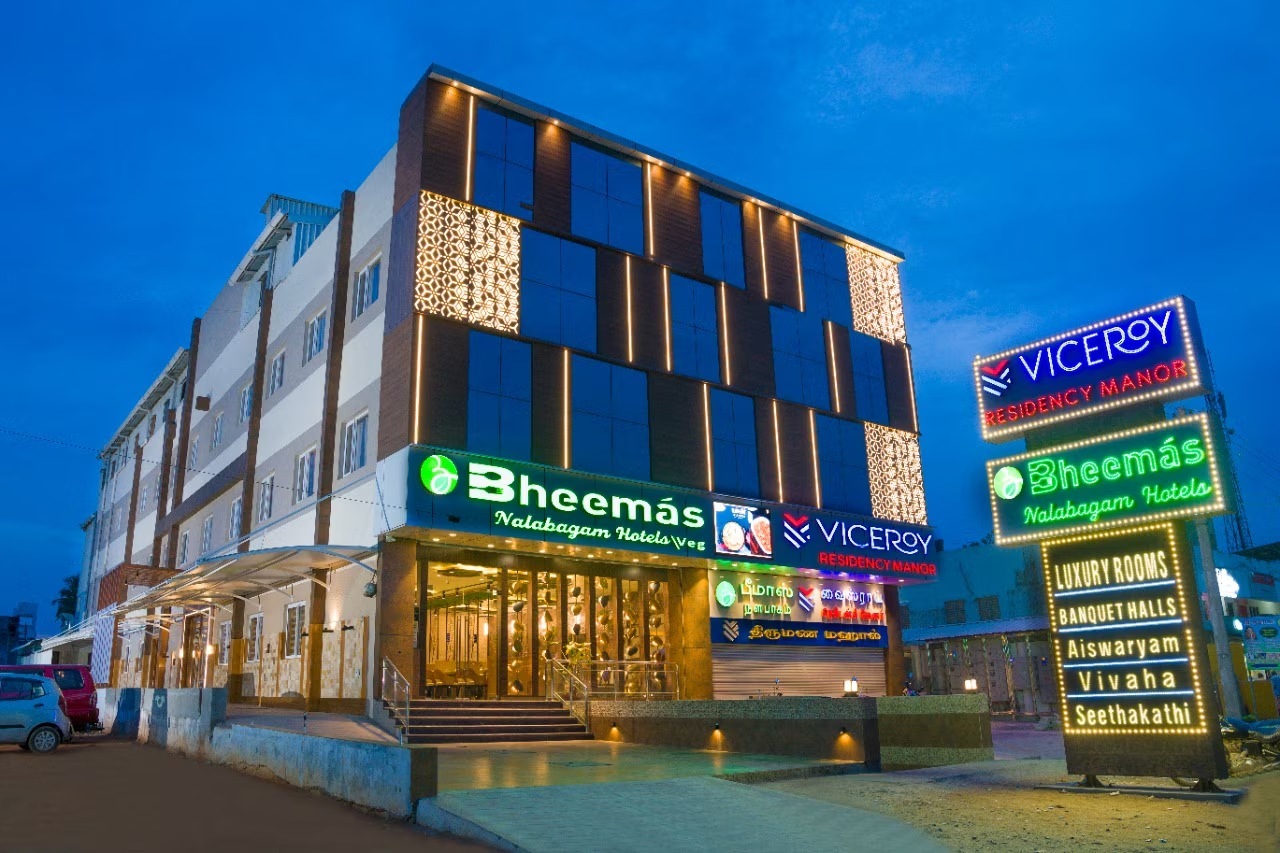
Viceroy Hotels Ltd Q2 FY26 – Marriott, Money & Madhapur: How a Once-Dead Stock Turned Into Hyderabad’s Hottest Hotel Comeback Story
1. At a Glance
Welcome to the grand buffet of Viceroy Hotels Ltd — where the Marriott brand meets Hyderabad real estate dreams and investor patience finally got rewarded (somewhat). Trading at ₹130/share with a market cap of ₹881 crore, this once-bankrupt hotelier is now serving earnings with a hint of optimism and a pinch of dilution. The Q2 FY26 quarter brought ₹30.8 crore in sales and ₹4.38 crore in PAT, though profits plunged 92.7% QoQ like a five-star soufflé left in the oven too long.
The P/E stands at 53.7, Book Value ₹36.4, ROE a jaw-dropping 41.7%, and Debt-to-Equity just 0.20, making it look healthier than most of its hotel peers who are still post-COVID dieting. But before you pop the champagne, note that sales growth was just 2.39%, while profits fell off a cliff this quarter.
And yet — the company boasts 407 operational rooms, a 10,000 sq ft convention centre, and the Hyderabad Marriott running at 70.3% occupancy with ADR ₹6,834 and RevPAR ₹4,804. Those are numbers that would make even Taj and Lemon Tree raise a classy eyebrow.
In short: a Hyderabad royal who lost his kingdom, fought back through the courts, refinanced through a rights issue, and now plans a 200-room Courtyard by Marriott at Madhapur. If this were a movie, it’d be “Marriott: The Resurrection” starring EBITDA and Equity in supporting roles.
2. Introduction
Ah, Viceroy Hotels — the corporate phoenix of Jubilee Hills. Once buried under litigation and debt, it has clawed its way back into relevance through a mix of Marriott muscle, rights issues, and pure Hyderabadi stubbornness.
Back in the early 2010s, Viceroy Hotels was a cautionary tale — heavy borrowings, property disputes, and failed subsidiaries (remember Minerva, Crustum, and Banjara?). Fast forward to FY25, and the company is not only debt-light but also profitable, operational, and eyeing a second innings with a shiny new Courtyard property in Madhapur.
The company’s hospitality assets are operated under the Marriott brand — not a franchise, but a full management agreement. Translation: Marriott takes care of guests, while Viceroy takes care of debt, depreciation, and dilution. The flagship Hyderabad Marriott Hotel & Courtyard complex sits on 4.5 acres near Hussain Sagar Lake, featuring over 400 rooms, multiple F&B outlets, and a convention center that has hosted everyone from CEOs to wedding sangeets.
In FY25, Rooms contributed 54% of revenue, F&B 36%, and Others 10%. The hotel’s operational metrics look sharp — higher occupancy, better energy efficiency, and improved payroll control — proof that management has swapped chaos for corporate discipline.
And now, post the ₹49.52 crore rights issue, the company plans to raise ₹100–120 crore more for expansion. Yes, there’s another round of dilution brewing, but hey — when your RevPAR is rising and your debt ratio is slimming, the Street forgives a little equity buffet.
3. Business Model – WTF Do They Even Do?
In simple terms: Viceroy Hotels owns the Hyderabad Marriott & Courtyard Marriott, two high-end hotels run under Marriott’s management contract. They provide rooms, restaurants, bars, banquets, and events — basically the whole hospitality circus but with better cutlery.
Let’s decode their empire:
Marriott Hotel: 295 rooms, 5 F&B outlets, and a 10,000 sq ft convention centre. This is the cash cow. Think weddings, business conferences, and political networking disguised as “corporate events.”
Courtyard by Marriott: 168 rooms (56 under construction), 2 restaurants (1 upcoming), and a smaller but sleeker vibe for business travelers who like “premium” without “Taj-level” pricing.
Then there are the subsidiaries — the forgotten cousins at the family dinner:
Café D Lake Pvt Ltd runs the iconic Minerva Coffee Shop, Blue Fox, Eat Street, and Water Front.
The rest — Crustum Products, Banjara Hospitalities, Minerva Hospitality — are in the “not generating revenue” zone, also known as spiritual subsidiaries.
So, the business model is simple: let Marriott manage, let guests pay, and let shareholders pray.
The YoY decline looks dramatic because last year’s Q2 had an extraordinary item windfall. On an operational level, margins held strong — OPM at 25.19%, a recovery from the last quarter’s 14.8%.
EBITDA doubled QoQ, suggesting cost controls are working. But PAT fell from the moon to earth, thanks to that one-time base effect. Think of it as comparing Diwali buffet vs leftover khichdi.
5. Valuation Discussion – Fair Value Range
Let’s break down the value buffet:
EPS (Annualised) = 0.65 × 4 = ₹2.6
Industry P/E = 37.7
Company P/E = 53.7
Method 1 – P/E Approach: Fair value range = ₹2.6 × (35–45) = ₹91–₹117
Method 2 – EV/EBITDA Approach: EV = ₹919 Cr, EBITDA (TTM) ≈ ₹36 Cr → EV/EBITDA = 25.5x If sector median = 20–24x, then Fair EV = ₹720–₹864 Cr → Per share ≈ ₹102–₹123
Disclaimer: This fair value range is for educational purposes only and is not investment advice. If you buy hotels, buy them for the breakfast buffet, not the EBITDA.
6. What’s Cooking – News, Triggers, Drama
The Marriott deal for Madhapur (May 2025) is the biggest plot twist. A 200-room Courtyard on 7,000 square yards, with a 30-year operating agreement, expected to open in 2028.
Add to that:
Supreme Court dismissed the Wakf Board’s claim over the hotel land (March 2025). Property dispute? Closed.
₹49.52 crore rights issue completed to fund renovation.
Planned QIP/rights issue of ₹100–120 crore for the new hotel.
Debt: a manageable ₹49 crore with plans to keep Net Debt/EBITDA ≈ 1:1 post-expansion.
EBITDA Target: ₹100 crore after all projects complete.
Of course, drama continues: directors resigned, new ones joined, and the company received a warning letter for disclosure delays — because no Indian corporate comeback story is complete without SEBI gently tapping your wrist.